
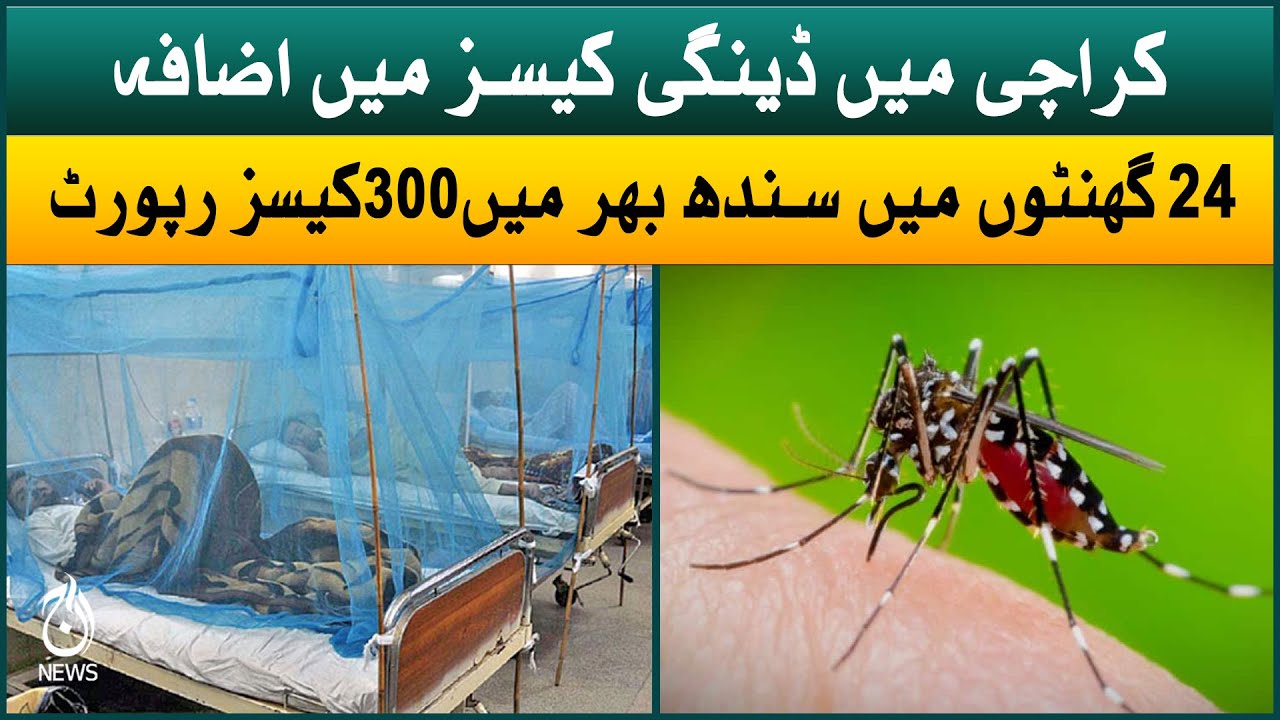
Updated Dengue Report from Sindh Health Department
The Sindh Health Department has released an updated report detailing the latest dengue cases in the province. According to the report, a total of 5,393 dengue tests were conducted in the last 24 hours, with 1,124 of these tests returning positive results.
Breakdown by Division
In Karachi Division, 4,001 tests were carried out, and 589 cases were confirmed as positive. In Hyderabad Division, 1,392 tests were conducted, with 535 coming back positive. These figures highlight the ongoing challenges posed by the dengue outbreak in these areas.
Hospital Admissions and Recoveries
During the same period, 111 new dengue patients were admitted to government hospitals, while 101 new admissions were recorded in private healthcare facilities. Meanwhile, 97 patients recovered and were discharged from public hospitals, and 99 from private hospitals. Notably, no dengue-related deaths were reported across the province during this time.
Current Patient Numbers
As of now, 244 dengue patients are being treated in government hospitals, and 205 in private hospitals across Sindh. The health department has allocated specific numbers of beds for dengue treatment in different regions. In Karachi’s public sector hospitals, 256 beds have been designated for dengue patients, while 165 beds are available in Hyderabad. Across the rest of Sindh, 566 beds are allocated, bringing the total number of beds in the government sector to 987.
In private hospitals, 200 beds have been set aside in Karachi, 208 in Hyderabad, and 66 elsewhere in the province, totaling 474 beds. This allocation ensures that patients have access to necessary care, even amid the rising number of cases.
Laboratory Testing Capacity
The Sindh Health Department is currently receiving data from 52 laboratories across the province. In Karachi, 34 laboratories are conducting dengue testing, including 12 public and 22 private labs. In Hyderabad Division, 18 laboratories are functional, comprising 7 government and 11 private labs.
Ongoing Efforts and Challenges
Despite the efforts made by the health department to manage the dengue outbreak, the situation remains critical. The high number of tests and hospital admissions indicates the need for continued vigilance and preventive measures. Public awareness campaigns, mosquito control initiatives, and timely medical interventions are essential to curb the spread of the disease.
Health officials emphasize the importance of early detection and treatment, urging residents to seek medical attention promptly if they experience symptoms such as fever, joint pain, or nausea. Additionally, maintaining cleanliness around homes and communities can help reduce mosquito breeding sites.
Future Outlook
With the dengue season approaching, health authorities are preparing for potential increases in cases. The availability of dedicated beds and the ongoing collaboration between public and private healthcare facilities are key components of the response strategy. Continued monitoring and data collection will be vital to track the outbreak and adjust strategies accordingly.
The Sindh Health Department remains committed to providing timely and effective care to those affected by dengue, while also working to prevent further spread of the disease through education and community engagement.