
Urban Green Spaces Transformed to Support Pollinators
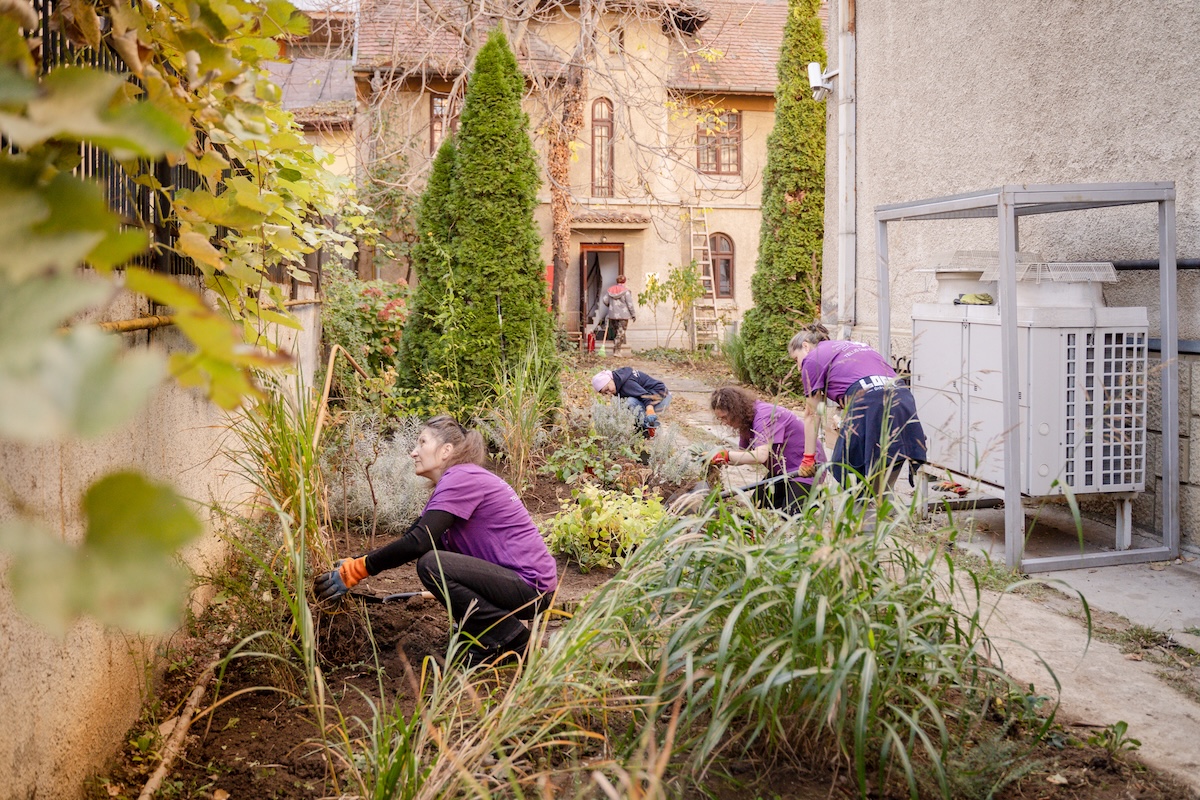
WWF Romania has initiated a series of planting projects in Bucharest, focusing on supporting pollinator species that are experiencing significant declines. These efforts involve collaboration with local environmental groups to turn urban green areas into habitats for bees, butterflies, and other beneficial insects. The first phase of the project took place on November 1 in the 400 square meter garden of the Museum of Maps, an area that was revitalized by Club Clorofila, an urban ecology group dedicated to converting public institutions’ green spaces into community gardens.
The planting campaign involved relocating approximately 100 existing perennial plants, adding 30 new perennials, and placing 135 spring bulbs. All these plant selections were made with their ecological value to pollinators in mind. The initiative received support from volunteers from Telus Digital Romania and Spring Farma. This project is set to continue in spring 2026, with the sowing of native wild plants aimed at providing food sources throughout the year.
WWF’s goal is to increase the diversity and abundance of flowering species that can sustain a wide range of pollinators while also offering city residents new opportunities to engage with nature in an urban environment. This initiative is part of WWF’s broader BeeActive program, launched in 2021, which aims to push for national policies that protect pollinators. A petition associated with the campaign collected over 14,000 signatures, calling for a ban on harmful pesticides, the expansion of green habitats, and public awareness programs.
Importance of Pollinators
Scientists emphasize the critical role of pollinators in both food security and ecosystem health. Three-quarters of crops depend, at least partially, on pollination. Research cited by WWF indicates steep population drops across Europe: 37% of bee species are in decline, including more than 9% at risk of extinction, while 31% of butterfly species face similar declines. Habitat loss, pesticide use, and climate change are identified as key factors contributing to these declines.
Barbara Bendandi, Conservation Director at WWF-Romania, stated, “Protecting pollinators is essential not only for ecosystem health but also for food security. Through these urban interventions, we aim to bring nature closer to people and contribute concretely to restoring biodiversity in cities. It is an important step toward implementing the Nature Restoration Law and the European Pollinators Initiative.”
Cătălina Bolozan, Founder of Club Clorofila, highlighted the significance of public institution gardens in Bucharest, noting they amount to 285 hectares of green space. “That means roughly 570 pocket parks,” she said.
Future Plans and Community Engagement
The ongoing efforts by WWF Romania and its partners underscore the importance of community involvement and collaborative action in addressing the challenges faced by pollinators. By transforming urban spaces into thriving ecosystems, these initiatives not only support biodiversity but also foster a deeper connection between city dwellers and the natural world.
As the project progresses, it is expected to serve as a model for similar initiatives in other urban areas, demonstrating how small-scale interventions can have a significant impact on pollinator populations and urban biodiversity. The focus on native plants and sustainable practices ensures that these green spaces remain resilient and supportive of pollinators throughout the changing seasons.
Through continued education and outreach, the hope is to inspire more individuals and organizations to take part in protecting and preserving pollinators. By raising awareness and promoting actions that support pollinators, these efforts can contribute to a healthier, more sustainable future for both nature and human communities.