
Safety Measures and Operational Halt
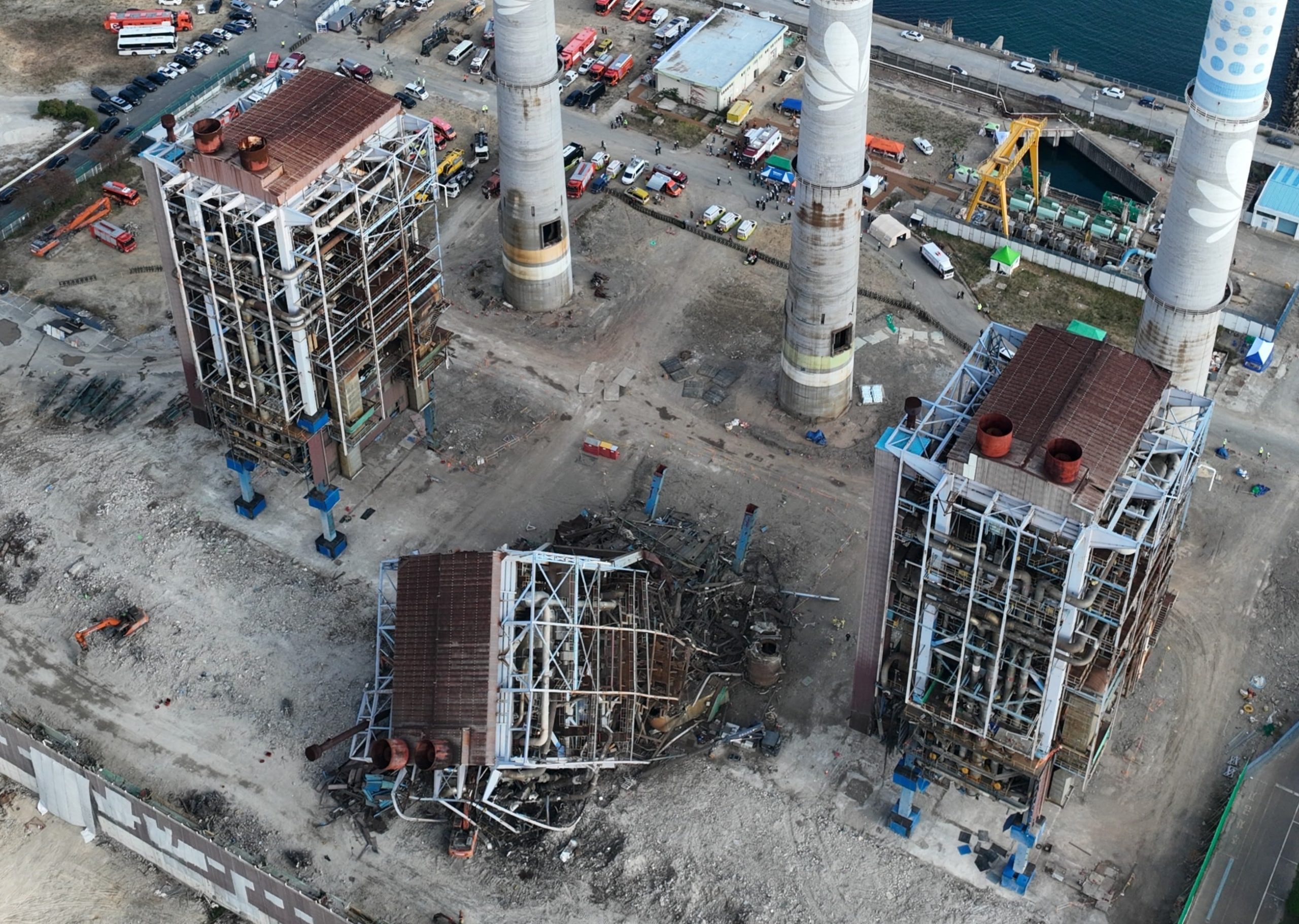
On the 6th, a boiler tower at the Ulsan Thermal Power Plant of Korea East-West Power in Ulsan collapsed, resulting in the burial of seven workers. In response to this incident, HJ Shipbuilding & Construction Co. announced on the 7th that it would halt all operations at its construction sites. This decision was made to ensure the safety of employees and to conduct thorough inspections following the disaster.
HJ Shipbuilding & Construction Co. communicated the reasons for the operational halt through its electronic disclosure system DART. The company stated, “Following a major disaster at the Ulsan Thermal Power Plant Units 4, 5, and 6 decommissioning site, we will conduct our own safety inspections and supplementary measures at all sites.” This move highlights the company’s commitment to prioritizing worker safety over project timelines.
The company has not yet set a specific date for resuming construction. However, it is expected that work will restart after completing the necessary safety checks and implementing additional measures. The sales revenue from the halted construction sector amounts to 1.034534 trillion Korean won, which represents 54.85% of the company’s consolidated financial statements-based sales revenue as of the end of last year. This significant portion of revenue underscores the impact of the halt on the company’s financial standing.
Contract Details and Project Timeline
Earlier, HJ Shipbuilding & Construction Co. was awarded a contract worth 57.5 billion Korean won in January of last year by Korea East-West Power for the decommissioning of Ulsan Thermal Power Plant Units 4, 5, and 6. The project was planned to last 27 months, with the decommissioning and demolition work scheduled to be completed by March of next year. This contract was a key part of the company’s strategy to expand its presence in the energy sector.
The collapse of the boiler tower on the 6th resulted in serious consequences. Seven individuals were buried, and two others were injured. Among those buried, three lost their lives, while two are presumed dead, and the remaining two are still missing. The fire authorities confirmed that all nine individuals were affiliated with Korea Kacoh, a subcontractor of HJ Shipbuilding & Construction Co. This tragic event has raised concerns about the safety protocols in place during such large-scale projects.
Implications and Future Steps
The incident has prompted a reevaluation of safety procedures across the industry. HJ Shipbuilding & Construction Co. is now focusing on conducting comprehensive safety inspections at all its sites. These inspections are crucial to identify potential risks and implement corrective actions to prevent similar incidents in the future.
The company is also working closely with its subcontractors to ensure that all safety guidelines are strictly followed. This collaboration is essential to maintain a safe working environment for all personnel involved in the projects. Additionally, the company may need to review its contractual obligations and adjust timelines if necessary to accommodate the safety measures.
As the investigation into the boiler tower collapse continues, there is a growing emphasis on transparency and accountability. Stakeholders, including investors and regulatory bodies, are closely monitoring the situation. The outcome of the investigation could have far-reaching implications for the company’s operations and reputation.
In conclusion, the collapse of the boiler tower at the Ulsan Thermal Power Plant has led to a significant operational halt for HJ Shipbuilding & Construction Co. The company is taking proactive steps to ensure the safety of its workers and to address the concerns raised by the incident. As the situation unfolds, the focus remains on preventing future tragedies and maintaining the highest standards of safety in the construction industry.