
A New Era in Greek Energy
Greece has marked a significant milestone with an agreement with the American energy giant ExxonMobil, which is being described as “historic” due to its potential to initiate the country’s first offshore drilling project in four decades. Prime Minister Kyriakos Mitsotakis expressed optimism about this deal, calling it the beginning of a new chapter in Greece’s energy history. This development follows a similar exploration agreement with Chevron just last month.
The Greek government has been striving to establish itself as a crucial player in delivering gas to Europe, aligning with Washington’s efforts to diminish Russia’s influence in the region. However, this agreement has not been without controversy.
Environmental Concerns and Criticisms
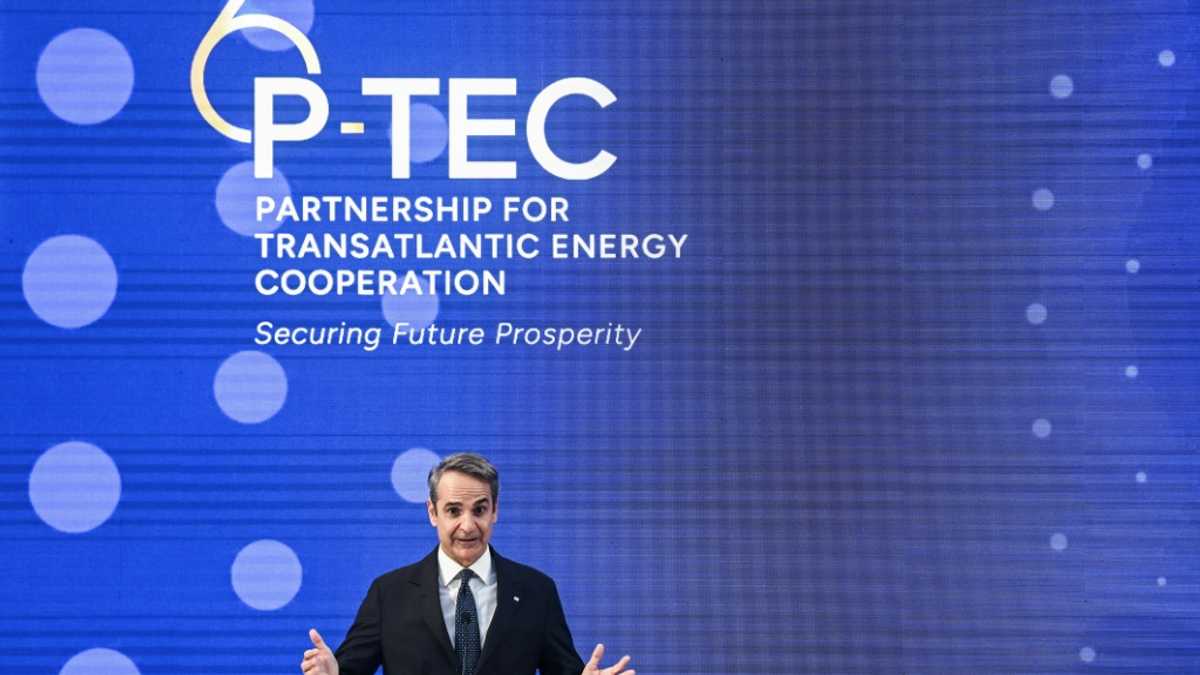
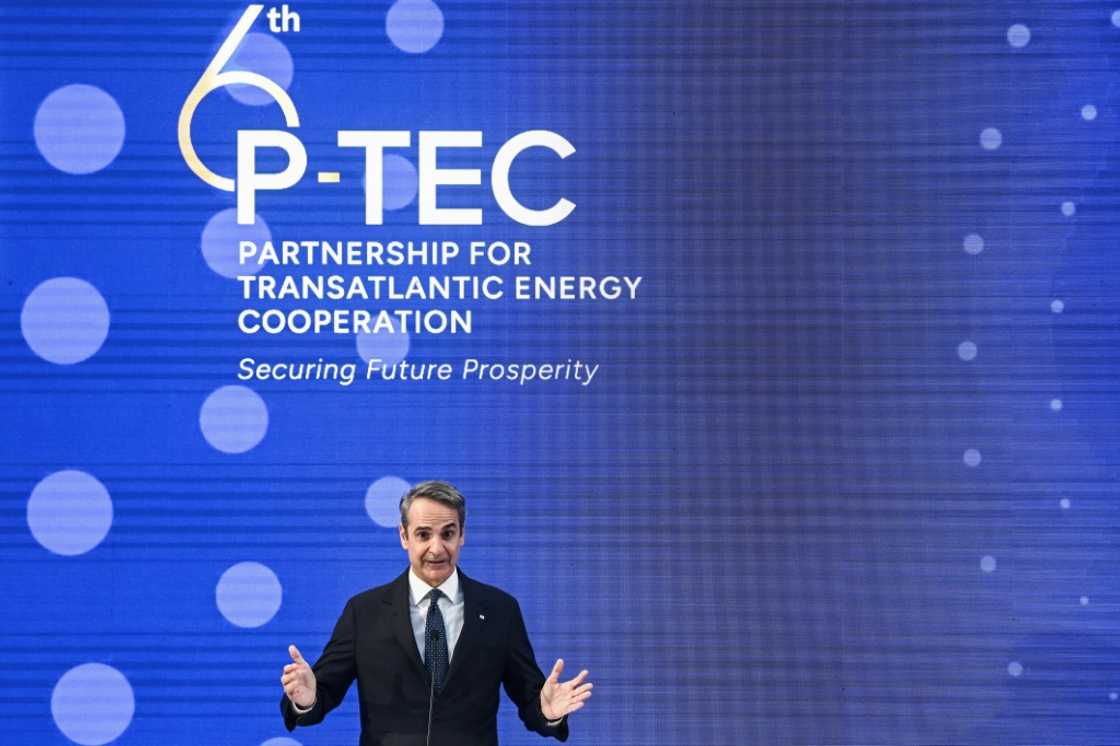
Environmental groups have raised concerns about the potential risks associated with the deal. They argue that it poses a “huge risk” for marine life, particularly whales and dolphins inhabiting the local waters. The agreement was formalized on Thursday during a two-day conference in Athens, where notable attendees included four members of the US cabinet, such as Energy Secretary Chris Wright.
In addition to energy ministers from over 20 countries, senior executives from various energy companies were also present at the event. According to the terms of the agreement, ExxonMobil will hold a 60-percent stake in an existing venture involving London-listed Energean and Greece’s Helleniq Energy, focusing on exploration in the Ionian Sea west of Corfu.
Drilling activities in the Ionian Sea could commence within the next 18 months, as stated by the prime minister in a video message shared on social media. Earlier this month, Greece selected Chevron for hydrocarbon exploration in four marine areas in the Ionian Sea south of the Peloponnese and south of Crete.
Replacing Russian Gas
This agreement with ExxonMobil comes shortly after most EU member states approved a ban on Russian natural gas imports by the end of 2027. The objective is to cut off a major source of funding for Moscow’s military actions in Ukraine. In recent years, Greece has invested heavily in both renewable energy and natural gas to reduce its reliance on lignite.
The recent activation of the Trans-Adriatic pipeline, connecting Greece and Bulgaria, has enabled the country to contribute to the vertical corridor towards Bulgaria, Romania, Moldova, Ukraine, Hungary, and Slovakia. Additionally, the opening of storage infrastructure at the port of Alexandroupolis, near the Greek-Turkish border, where American LNG gas arrives, has further weakened Russia’s market presence in the region.
Regional Rivalry and Strategic Moves
Greece has also aimed to secure US commitment to the area to counteract competing maritime claims by Libya, which has been supported by Greece’s historic rival, Turkey. In 2019, Libya upset Greece by signing a maritime delimitation agreement with Turkey, which Athens argues overlooks the rights of Greek islands, including Crete.
Environmental organizations have not been impressed with the government’s approach. They highlighted that the areas designated for hydrocarbon exploration in the Ionian Sea are close to a planned marine park. Greenpeace Greece criticized the government for what they call “acrobatics,” pointing out that while claiming to protect marine species, they are allowing seismic surveys and other seabed operations.
Greenpeace noted that the ExxonMobil site is near marine protected areas within the Hellenic Trench, a biodiversity hotspot in the Mediterranean and a habitat for several whale and dolphin species. They also pointed out that ExxonMobil has a history of operational accidents leading to environmental disasters and worker fatalities.
Thedota Nantsou, policy director for WWF Greece, emphasized that promoting hydrocarbons involves “a huge risk” of accidents and leaks. She told AFP, “We cannot move towards the future of climate change by looking to the past with outdated tools like LNG.”