
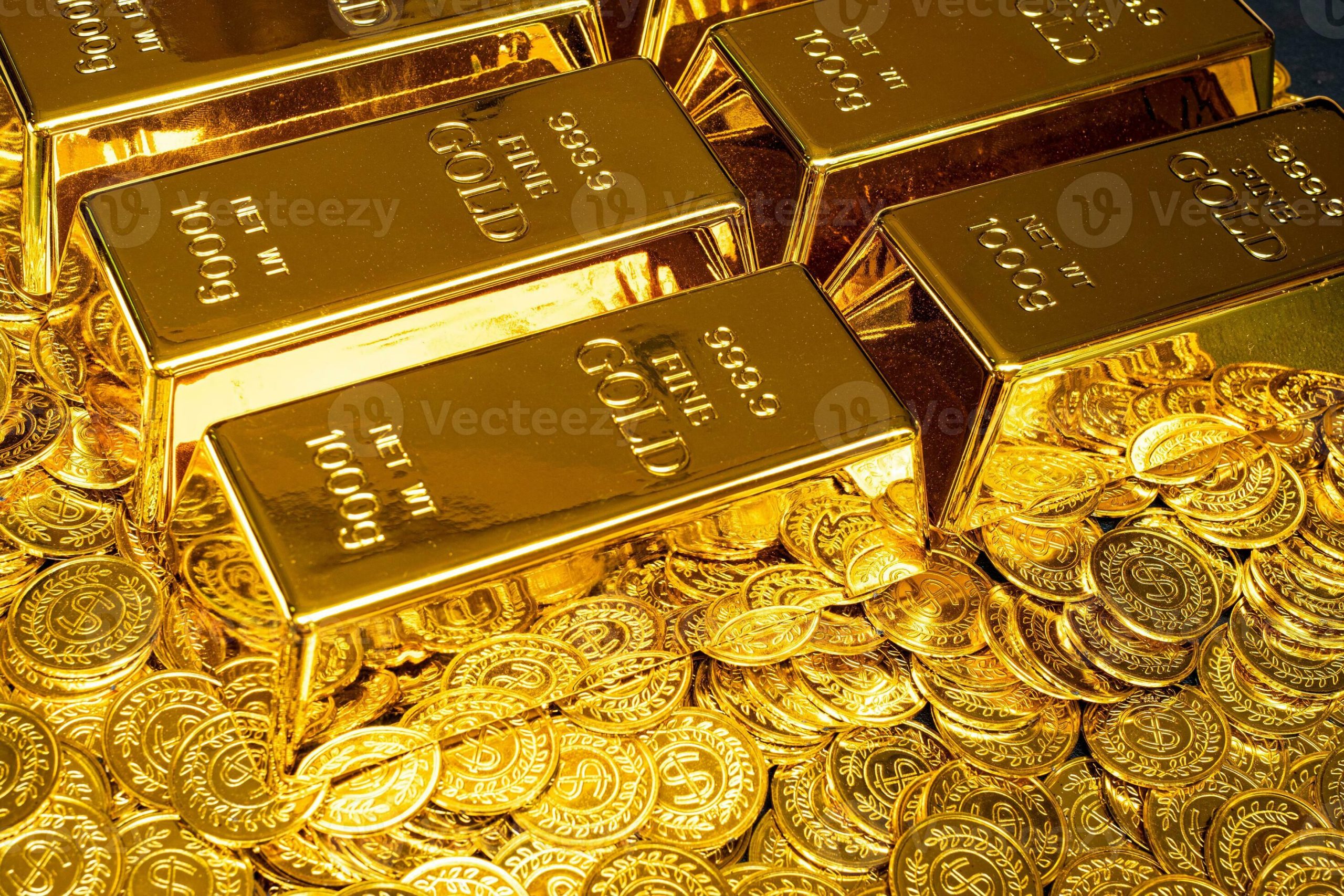
Gold and Silver Prices Remain Stable in Local Market
In the local market, the price of 24 karat gold per tola remained unchanged on Friday, with sellers offering it at Rs423,062. This stability was also reflected in the price of 10 grams of 24 karat gold, which stayed firm at Rs362,707. Additionally, 10 grams of 22 karat gold were traded at the same rate of Rs332,493 as the previous day.
The international market also showed no changes in gold prices, with the price of gold remaining at $4,007 per ounce. This consistent rate indicates a stable global demand for gold, unaffected by any significant fluctuations in economic or political factors.
Silver Prices Stay Unaltered
Similar to gold, the price of 24 karat silver per tola remained stable at Rs5,112. The price of 10 grams of silver was also unchanged, with traders selling it at Rs4,382. On the international front, the price of silver stood at $48.50 per ounce, maintaining its previous day’s rate without any variation.
This stability in both gold and silver prices suggests that the current market conditions are not experiencing major shifts. Investors and traders may be observing the market closely, anticipating potential movements based on upcoming economic reports or geopolitical events.
Factors Influencing Gold and Silver Rates
The calculation of gold rates is based on the interbank exchange rate, ensuring that the prices reflect the actual value of the currency in relation to other global currencies. For 24 karat gold, the purity standard is set at 999, which means that the gold is nearly pure, containing only 0.1% impurities. This high level of purity makes it a preferred choice for jewelry and investment purposes.
The consistency in pricing can also be attributed to the lack of major disruptions in supply chains or production processes. Both gold and silver mining operations have continued without significant interruptions, contributing to the steady prices observed in the market.
Market Trends and Investor Sentiment
Despite the stable prices, investors and analysts remain cautious about potential future changes. Economic indicators such as inflation, interest rates, and central bank policies can significantly impact the value of precious metals. In times of uncertainty, gold often acts as a safe-haven asset, drawing more investors into the market.
Silver, while less commonly used as an investment compared to gold, also plays a crucial role in industrial applications. Its demand from sectors such as electronics and renewable energy can influence its price, even if the effects are not always immediately visible.
Conclusion
The current market trends indicate a period of stability for both gold and silver prices. Traders and investors may take this opportunity to assess their portfolios and make informed decisions. As the market continues to evolve, staying updated with global economic developments will be essential for those looking to navigate the precious metals sector effectively.