
BMW and Amazon Unveil Groundbreaking AI Voice Assistant
BMW has taken a significant step forward in the integration of artificial intelligence within vehicles, becoming the first automaker to introduce Amazon’s new Alexa+ AI voice assistant. This innovative technology is designed to replace traditional fixed keywords with more natural, conversational interactions between drivers and their car’s infotainment system.
The new assistant will debut in select BMW models soon, marking a major shift in how drivers interact with their vehicles. Unlike previous versions, which were limited by a set number of predefined commands, the Alexa+ architecture leverages generative AI to allow for more fluid and intuitive communication.
What Makes Alexa+ Different?
Alexa+ represents a significant advancement in in-vehicle conversational AI. According to Amazon, this platform can access over 70 large language models (LLMs), enabling more complex and context-aware interactions. For example, drivers can now ask for things like “find a DC fast charger nearby that has a well-rated restaurant, and then play my road trip playlist.” This level of flexibility was previously unattainable with traditional voice assistants.
Moreover, conversations initiated on other Alexa+ devices can be seamlessly continued in the car, enhancing the user experience across different platforms. This feature is particularly useful for drivers who use Alexa in their homes or on mobile devices, as it allows for a consistent and uninterrupted interaction.
BMW’s Integration Strategy
BMW has been using Alexa Custom Assistant for its infotainment systems, which allows companies to build their own AI assistants based on Alexa technology. However, the upcoming integration of Alexa+ marks a shift towards a more advanced and flexible solution.
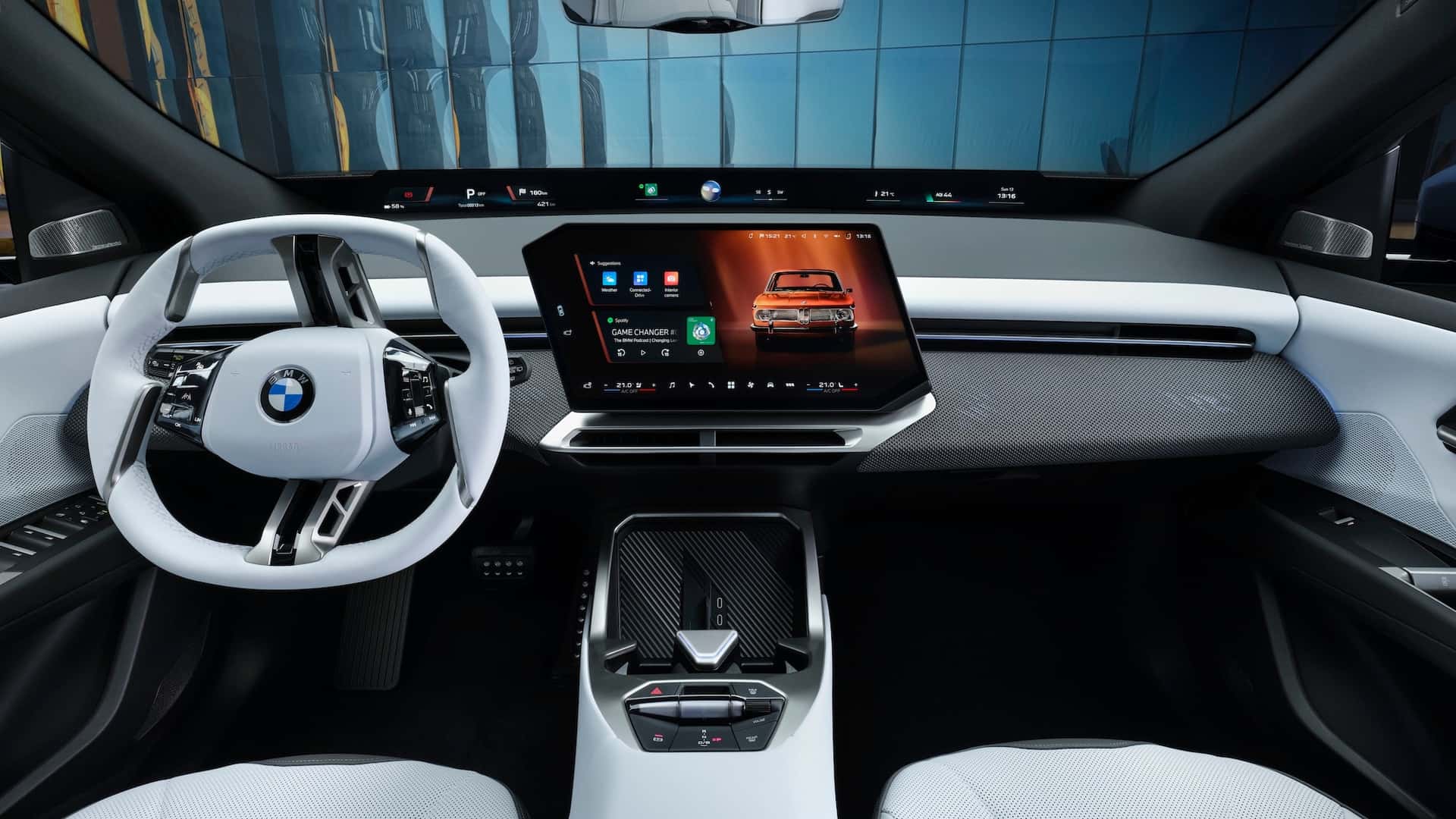
The latest generation of BMW’s iDrive infotainment system is built on the Android Open Source Project (AOSP) and uses a custom-built navigation system. This setup provides a solid foundation for integrating new technologies like Alexa+ while maintaining the unique features and design elements that define BMW’s user experience.
Comparison with Other Automakers
While BMW is leading the charge with Alexa+, other automakers are also exploring AI-based personal assistants. For instance, Volvo has integrated Google Gemini, another AI-powered voice assistant. However, there are key differences between the two approaches.
Volvo’s entire infotainment system is based on Google’s Android Automotive OS, making it easier to integrate Google’s voice assistant. In contrast, BMW’s iDrive system is built on AOSP but includes a custom navigation system, which may require additional development efforts to ensure seamless integration with Alexa+.
Future Implications
The introduction of Alexa+ in BMW vehicles highlights the growing importance of AI in the automotive industry. As more automakers adopt similar technologies, drivers can expect a more intuitive and personalized experience when interacting with their vehicles.
Although BMW has not yet revealed which specific models will receive the new AI-based voice assistant, the rollout is expected to happen soon. This development underscores the ongoing competition among tech companies and automakers to provide the most advanced and user-friendly in-car experiences.
Conclusion
With the integration of Amazon’s Alexa+ AI voice assistant, BMW is setting a new standard for in-vehicle conversational AI. The ability to engage in more natural and complex interactions with the infotainment system offers a glimpse into the future of smart mobility. As this technology continues to evolve, it is likely to become a key differentiator among automotive brands, shaping the way drivers interact with their vehicles for years to come.