
Addressing Workplace Harassment: A Comprehensive Overview
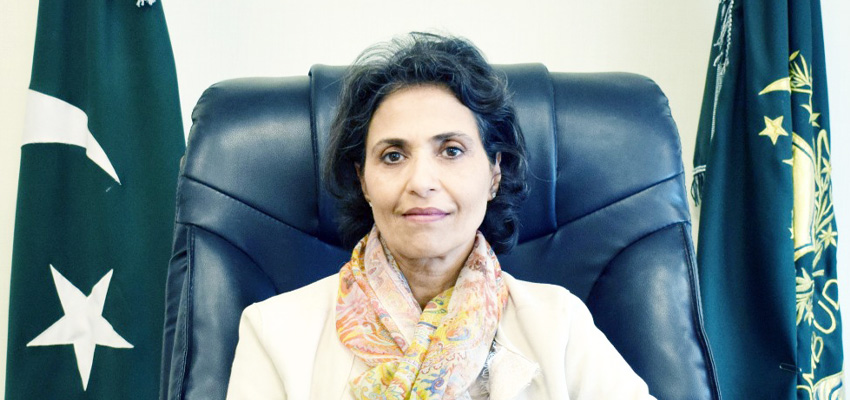
The Federal Ombudsperson for Protection against Harashment, Fauzia Viqar, and the Regional Head for Sindh, Sabika Shah, recently held a press conference at the Karachi Press Club. During this event, they provided updates on the institution’s performance and efforts to tackle workplace harassment cases across the country.
Fauzia Viqar shared key statistics regarding the institution’s operations from January until now. She mentioned that the office has received complaints from 1,300 departments of various federal institutions. Out of these, 800 complaints have been successfully resolved. Additionally, six new offices have been established to enhance the reach and effectiveness of the institution.
One of the significant points highlighted by Fauzia Viqar was the role of social media in addressing harassment cases. She noted that most cases of harassment against women are often brought to light through social media platforms. This has increased awareness and encouraged more individuals to come forward with their grievances.
She also emphasized the active role of the Karachi regional office. In Sindh alone, 88 complaints were registered this year. The institution has made it easier for complainants to reach out through an online helpline number. However, she clarified that the ombudsperson’s office does not take suo motu action on cases that appear on social media. This means that while social media can raise awareness, the formal process of addressing complaints still requires proper documentation and reporting.
Legal Authority and Reinstatement Rights
Explaining the legal authority of the ombudsperson’s office, Fauzia Viqar pointed out that the institution has the power to reinstate women who were dismissed from their jobs after filing harassment complaints. This is a crucial aspect of the office’s mandate, as it ensures that individuals are not penalized for coming forward with their concerns.
She further elaborated on the types of harassment complaints typically reported. These generally fall into two main categories: gender-based harassment and sexual harassment. Both forms of harassment continue to be frequently reported, highlighting the ongoing need for vigilance and support systems within the workplace.
The Importance of Reporting Mechanisms
The institution has implemented several mechanisms to ensure that individuals can report harassment without fear of retaliation. The online helpline number serves as a convenient and accessible way for complainants to seek assistance. This initiative has been instrumental in increasing the number of reported cases, allowing the institution to address issues more effectively.
In addition to the helpline, the establishment of new offices across the country has improved access to support services. These offices are equipped to handle complaints and provide necessary guidance to those affected by harassment.
Challenges and Future Directions
Despite the progress made, challenges remain in addressing workplace harassment effectively. One of the primary obstacles is the stigma associated with reporting such incidents. Many individuals may hesitate to come forward due to fear of backlash or lack of confidence in the system.
To overcome these challenges, the institution continues to focus on awareness campaigns and educational programs. These initiatives aim to foster a culture of respect and safety in the workplace, encouraging individuals to speak up when they experience harassment.
Moreover, the institution is working closely with various stakeholders, including employers, employees, and advocacy groups, to develop comprehensive strategies for preventing and addressing harassment. This collaborative approach is essential in creating a supportive environment where all individuals feel safe and valued.
Conclusion
The efforts of the Federal Ombudsperson for Protection against Harassment and its regional offices play a vital role in addressing workplace harassment. Through effective reporting mechanisms, legal authority, and ongoing awareness campaigns, the institution is making strides in ensuring that individuals are protected from harassment and have access to the support they need.
As the institution continues to evolve, it remains committed to fostering a workplace environment that is free from harassment and promotes equality and respect for all.