
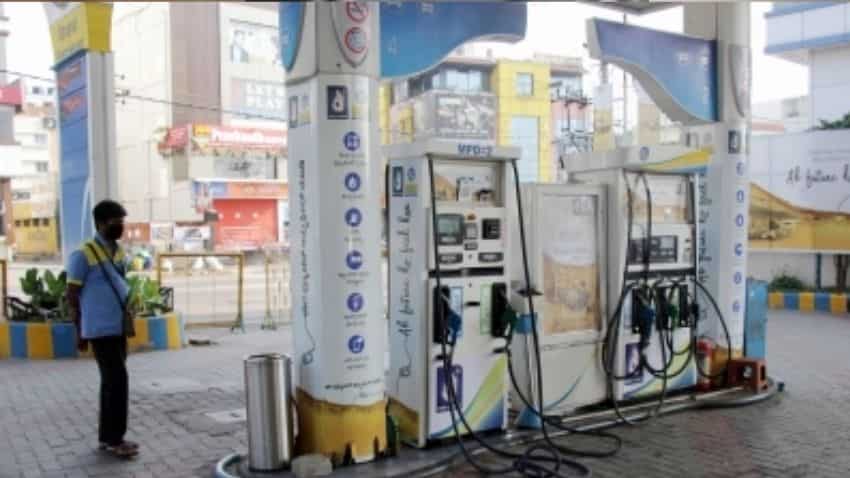
Fuel Prices in Rwanda Rise Slightly Amid Government Subsidies
Fuel prices in Rwanda have been increased as of Saturday, November 8. The Rwanda Utilities Regulatory Authority (RURA) announced the changes, which will remain in effect for two months. The maximum retail price for Gasoline (Petrol) has gone up from Rwf 1,862 per litre to Rwf 1,989, while Diesel has increased from Rwf 1,808 per litre to Rwf 1,900.
Despite this increase, the government has assured the public that it will not lead to a rise in the prices of goods and services. Minister of Trade and Industry, Prudence Sebahizi, explained that the adjustment was moderate due to government subsidies designed to protect consumers from the full impact of rising global fuel prices.
“The government intervened to ensure that the price adjustment remains minimal. While the global market conditions warranted a 6 percent rise, we limited it to 5 percent. Given this, we do not expect the prices of essential goods to increase,” Sebahizi said.
He added that the slight rise in fuel prices should not be used as an excuse for unjustified increases in commodity prices. “We encourage traders to calculate reasonably, the 5 percent change in fuel price has a negligible effect on overall commodity costs. Buyers should also report any sellers exploiting this adjustment,” he said.
Additionally, as the country enters the harvest season in December, prices of some goods are expected to decline due to improved availability.
Government Subsidies Help Curb Price Increases
Jean de Dieu Uwihanganye, Minister of State in the Ministry of Infrastructure, explained that the government had subsidized fuel to prevent an excessive hike, particularly on gasoline, which is widely used in public transportation.
“Gasoline rose by Rwf127 and diesel by Rwf92 per litre. Without subsidies, the increase would have been much higher,” Uwihanganye said.
He pointed out that the changes stemmed from international market dynamics and challenges along key transport corridors.
Impact on Consumers and Market Stability
The revised fuel prices have raised concerns among consumers, especially those who rely heavily on transportation. However, the government’s intervention through subsidies has helped keep the increase at a manageable level.
Sebahizi emphasized that the 5 percent increase is not significant enough to cause a ripple effect on the cost of living. He urged traders to remain responsible and avoid exploiting the situation.
“Buyers should also report any sellers exploiting this adjustment,” he said.
Future Outlook and Market Trends
As the country moves into the harvest season, there is optimism that certain goods may become more affordable due to increased supply. This could help offset the impact of the fuel price hike.
However, the government remains vigilant and is monitoring the market closely to ensure that no unnecessary price hikes occur. The focus is on maintaining stability and protecting the interests of both consumers and businesses.
Conclusion
The recent fuel price adjustments in Rwanda reflect a balance between global market pressures and domestic economic considerations. With government subsidies playing a crucial role, the impact on everyday consumers has been minimized. As the country prepares for the harvest season, there is hope that market conditions will improve further, leading to more stable and affordable prices for essential goods.