
Call for Leadership in Combating Illegal Mining
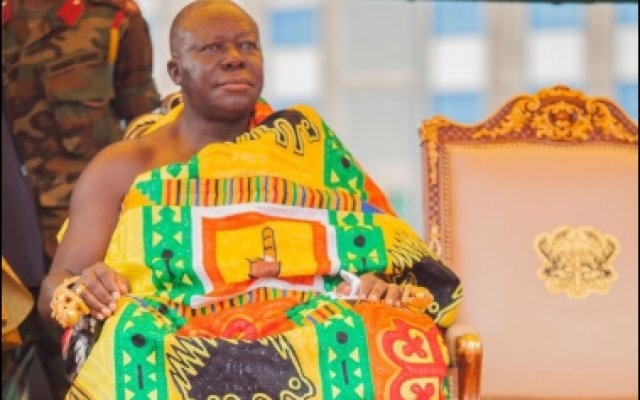
Mr. Albert Kwabena Dwumfour, President of the Ghana Journalists Association (GJA), has made a compelling appeal to the Asantehene, Otumfuo Osei Tutu II, urging him to use his moral authority and influence to support the national campaign against illegal mining, commonly referred to as galamsey.
Dwumfour emphasized that the Asantehene’s strong voice and moral leadership could inspire greater commitment and action in addressing the devastating effects of illegal mining on the environment, public health, and livelihoods across the country. His remarks were made during the 29th GJA Media Awards held at Manhyia in Kumasi.
He highlighted the indispensable role of both traditional and political leadership in safeguarding Ghana’s natural resources. The involvement of traditional rulers, he said, is “vital” in the collective effort to secure the nation’s future. He stressed that their voices must be heard and respected in environmental policy formulation and enforcement.
Strengthening Oversight and Legal Frameworks
Dwumfour further urged traditional and political authorities to strengthen oversight and take decisive, lawful measures to curb environmental crimes and corruption that continue to undermine sustainable development. To enhance accountability, he called for the creation of robust legal frameworks that impose stricter and more clearly defined penalties for environmental offences.
He also proposed the establishment of special courts dedicated to hearing galamsey-related cases to ensure swift justice and deterrence. These measures, he argued, would not only address the immediate challenges posed by illegal mining but also contribute to long-term environmental sustainability.
Role of the Media in Environmental Reporting
The GJA President encouraged journalists to remain vigilant and proactive in reporting on environmental and governance issues, while upholding the safety and dignity of their sources, particularly those in affected communities. He acknowledged the critical role of the media in informing the public and holding authorities accountable.
Reaffirming the Association’s commitment, Mr. Dwumfour stated that the GJA stood ready to support “any just and lawful measures” aimed at protecting Ghana’s environment and strengthening its democratic institutions. He emphasized the need for sustained collaboration among government, traditional leaders, civil society, and the media to rescue communities threatened by environmental degradation.
Collaborative Efforts for a Sustainable Future
The call for collaboration underscores the importance of a multi-stakeholder approach in tackling the complex issue of illegal mining. By working together, these groups can develop effective strategies to combat environmental crimes and promote sustainable development.
Some key areas where collaboration can make a difference include:
- Policy Development: Involving traditional leaders and civil society in shaping policies that reflect the needs and concerns of local communities.
- Enforcement Mechanisms: Ensuring that existing laws are enforced effectively and that new regulations are implemented with transparency and fairness.
- Public Awareness: Educating the public about the negative impacts of illegal mining and the importance of preserving natural resources.
Conclusion
As the fight against illegal mining continues, the role of leadership—both traditional and political—cannot be overstated. By leveraging their influence and working in tandem with other stakeholders, they can play a pivotal role in safeguarding Ghana’s environment and ensuring a sustainable future for generations to come.