
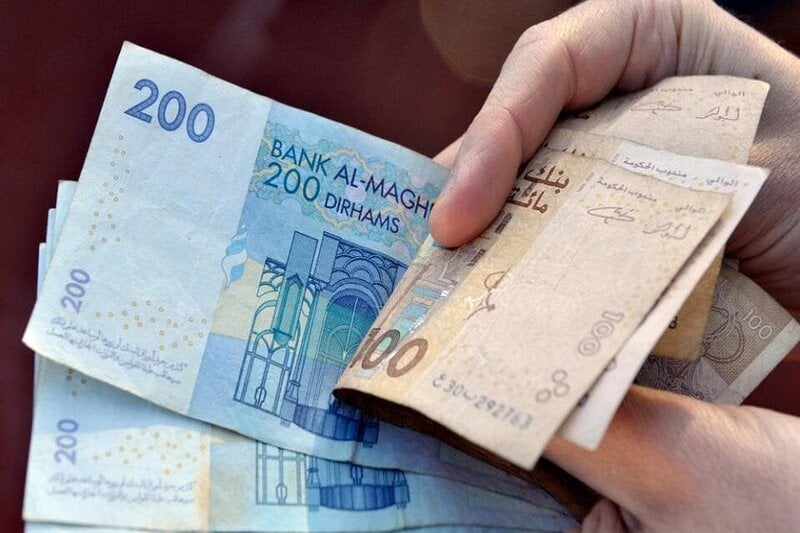
Moroccan Dirham Performance in the Week of October 30 to November 5, 2025
The Moroccan Dirham (MAD) experienced a notable fluctuation against major currencies during the week of October 30 to November 5, 2025. According to data released by Morocco’s central bank, Bank Al-Maghrib (BAM), the currency depreciated by 0.8% against the US Dollar (USD). However, it showed a positive trend against the euro, appreciating by 0.5% during the same period.
This movement in the exchange rate reflects the dynamic nature of the foreign exchange market and the influence of various economic factors. The depreciation against the USD could be attributed to global market conditions, while the appreciation against the euro may indicate stronger demand for the MAD in European trade or investment activities.
No Auctions Conducted in the Foreign Exchange Market
During the specified period, no auctions were conducted in the foreign exchange market, as reported by BAM. This absence of auction activity suggests that the central bank may have been maintaining a stable monetary policy, avoiding interventions that could disrupt market dynamics. It also implies that the current exchange rate is primarily influenced by market forces rather than direct central bank actions.
Official Reserve Assets Increase
Official reserve assets held by Morocco increased significantly, reaching MAD 431.6 billion on October 31. This represents a 0.6% increase compared to the previous week and a substantial 19.7% growth year-on-year. The rise in reserves indicates improved confidence in the country’s financial stability and its ability to manage external shocks.
Reserve assets are crucial for a country’s economy as they provide a buffer against currency fluctuations and support the value of the national currency. The increase in reserves could also signal that Morocco is accumulating more foreign currency through trade, investment, or other financial transactions.
Central Bank Operations During the Period
Bank Al-Maghrib conducted various operations throughout the week of October 30 to November 5, with an average daily volume of MAD 141.5 billion. These operations were distributed across different types of financial instruments:
- 7-day advances:MAD 66.5 billion
- Longer-term repurchase agreements:MAD 42.1 billion
- Secured loans:MAD 32.9 billion
These operations play a critical role in managing liquidity within the banking system and ensuring that financial institutions have access to necessary funds. By engaging in these activities, the central bank helps maintain stability in the financial sector and supports economic growth.
Implications for the Moroccan Economy
The movements in the Moroccan Dirham and the central bank’s operations suggest a cautious approach to monetary policy. With no auctions conducted in the foreign exchange market, the focus appears to be on maintaining equilibrium without direct intervention. At the same time, the increase in official reserve assets highlights the country’s growing financial strength.
As the global economic landscape continues to evolve, Morocco will need to remain vigilant in managing its currency and financial reserves. The central bank’s actions during this period reflect a balance between supporting the domestic economy and maintaining long-term stability.
Overall, the developments observed in the Moroccan Dirham and the central bank’s operations provide valuable insights into the state of the country’s economy and its response to external challenges.