
Rising Cases of Severe Fever with Thrombocytopenia Syndrome (SFTS)
This year, the number of patients diagnosed with Severe Fever with Thrombocytopenia Syndrome (SFTS) has surpassed 200, marking a significant increase compared to previous years. As of the 9th, the Korea Disease Control and Prevention Agency reported a total of 220 provisional SFTS cases nationwide. This figure exceeds last year’s total of 170 patients and represents the highest level since 2020, when 243 cases were recorded.
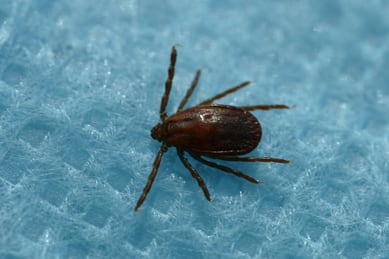
SFTS is a tick-borne infectious disease caused by bites from the Asian longhorned tick. The incubation period typically lasts between 5 to 14 days, with symptoms such as high fever, fatigue, muscle pain, and headache being the most common. In some cases, gastrointestinal and neurological symptoms may also appear, and severe cases can lead to death due to a reduction in platelets and white blood cells. Currently, there is no effective vaccine or treatment available for this condition.
The domestic fatality rate for SFTS stands at 18.5%. Since it was designated as a legally reportable infectious disease in 2013, a total of 2,065 patients have been reported up to last year, with 381 deaths recorded. The year with the highest number of patients was 2017, when 272 cases were reported. Cases of SFTS typically peak between June and October and can extend into November, suggesting that the number of patients this year may continue to rise.
High-Risk Groups and Increasing Foreign Cases
A significant number of SFTS patients are infected while working in fields, particularly in rural areas. Most of the affected individuals are elderly, with 128 out of 220 patients (58.2%) this year aged 70 or older. As multicultural families and foreign seasonal workers become more prevalent in rural areas, the number of foreign infection cases has also increased. In response, the Korea Disease Control and Prevention Agency recently produced multilingual prevention materials to raise awareness among these groups.
Other Tick-Borne Diseases: Tsutsugamushi Disease
In addition to SFTS, another tick-borne disease known as tsutsugamushi disease has also seen an increase in reported cases. During the same period this year, 619 patients were reported with this condition. Caused by bites from larval mites infected withOrientia tsutsugamushi, the incubation period for tsutsugamushi disease is within 10 days. Symptoms include fever, chills, muscle pain, rash, headache, and a black scab at the bite site. The cumulative domestic fatality rate for this disease is estimated to be between 0.1% and 0.3%.
Preventive Measures Against Tick-Borne Diseases
To reduce the risk of infection, it is essential to take preventive measures when engaging in outdoor activities. Some key strategies include:
- Minimize skin exposure by wearing long clothing during outdoor activities.
- Tuck sleeves tightly and pants into socks to prevent ticks from entering.
- Wear light-colored clothing to make it easier to spot ticks.
- When sitting on grass, use a work mat or blanket to avoid direct contact with the ground.
- Apply tick repellent every four hours on clothing and exposed skin.
- After farming or outdoor work, shake out and immediately wash work clothes.
- Thoroughly check the body for insect bites while washing to ensure early detection.
By following these precautions, individuals can significantly reduce their risk of contracting tick-borne diseases like SFTS and tsutsugamushi disease. Public health authorities continue to monitor the situation closely and provide updated guidelines to protect the population from these serious infections.