
Court Rules on Unfair Dismissal of Probationary Worker
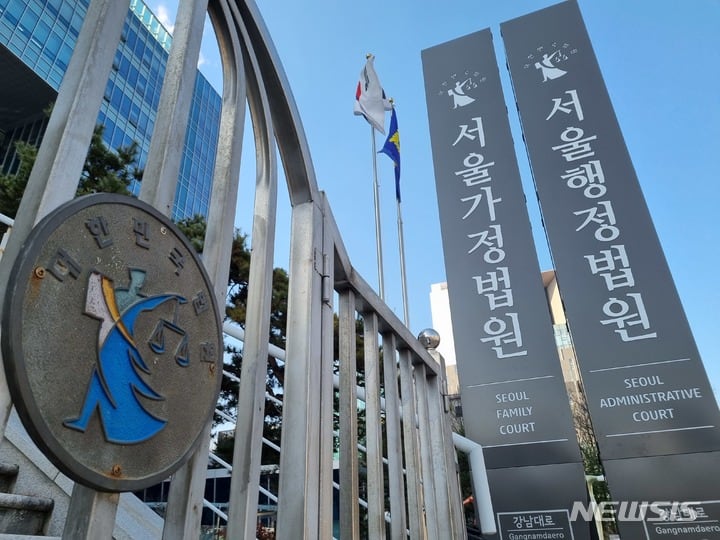
A recent court ruling has determined that notifying a probationary worker of their rejection via a phone call after only four days of work training is considered unfair dismissal. This decision was made by the Seoul Administrative Court’s Administrative Division 1, presided over by Judge Yang Sang-yoon, who announced the ruling on the 9th. The court ruled in favor of the defendant in a lawsuit filed by Company A against the Central Labor Commission, which sought to cancel the re-examination decision regarding unfair dismissal relief.
Background of the Case
Company A, which operates in Ulsan and sells medical devices and hygiene products, conducted a four-day work training session for Mr. B following his interview in October 2023. During this period, Mr. B was paid a daily wage. However, the company informed Mr. B via a phone call on the 31st of the same month that it had decided not to hire him. This notification led Mr. B to file a lawsuit with the Central Labor Commission, claiming that the dismissal was unfair.
Company’s Argument
In its defense, Company A argued that no formal employment contract had been established between the two parties. Even if an employment contract was considered to exist, the company claimed that since it employs fewer than five regular workers, the Labor Standards Act’s dismissal regulations do not apply. Additionally, the company asserted that there were valid reasons for deeming Mr. B unfit for the job due to his status as a probationary worker.
Court’s Decision
However, the court did not accept these arguments. The judges stated that it is difficult to consider a four-day, four-hour-per-day training period sufficient to evaluate the worker’s vocational skills, qualifications, character, diligence, and overall suitability for the job before rejecting their employment.
Furthermore, the court noted that Company A only notified the worker via a phone call of its decision not to hire them, without providing specific and substantive reasons for the rejection in writing. The judges emphasized that this approach is also hard to view as objectively reasonable or socially acceptable.
Key Points from the Ruling
- Training Duration: The court highlighted that the four-day training period was insufficient to assess the worker’s suitability for the position.
- Notification Method: The use of a phone call alone to inform the worker of rejection was deemed inadequate.
- Lack of Written Reasons: The absence of written, specific reasons for the rejection was a significant factor in the court’s decision.
- Applicability of Labor Standards Act: The court rejected the company’s claim that the Labor Standards Act did not apply due to the small number of employees.
Implications of the Ruling
This case sets an important precedent regarding the treatment of probationary workers and the procedures companies must follow when terminating employment. It underscores the importance of proper communication and documentation in the hiring process. Employers are now reminded that even during training periods, they must adhere to fair and transparent practices to avoid legal repercussions.
The ruling serves as a reminder that while companies may have the right to terminate employment, they must do so in a manner that respects the rights and dignity of the workers involved. This decision could influence future labor disputes and encourage more equitable treatment of temporary and probationary employees across various industries.