
New Tax Validation Measures by Kenya Revenue Authority
Starting from January 1, 2026, the Kenya Revenue Authority (KRA) will introduce a new system for validating income and expenses declared in both individual and non-individual income tax returns. This initiative is aimed at improving the accuracy and compliance of tax reporting across the country.
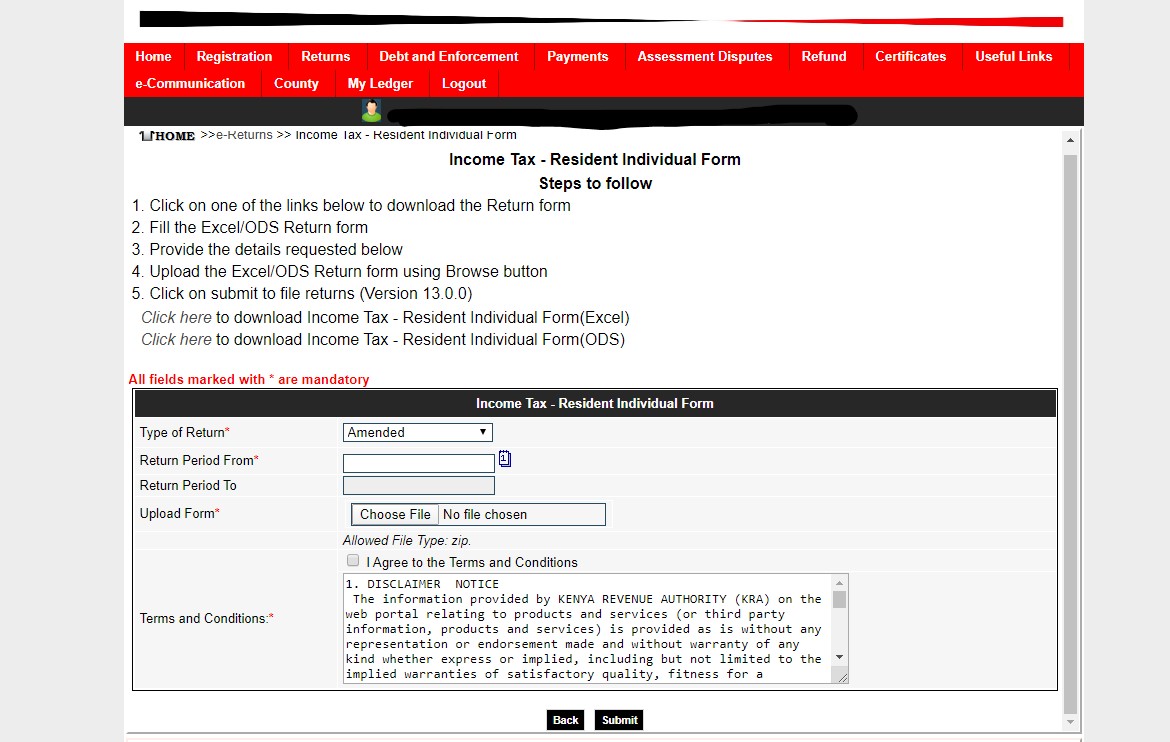
The validation process will involve cross-checking the declared amounts against multiple data sources. These include TIMS/eTIMS invoices, withholding income tax gross amounts, and import records from customs systems. The KRA emphasized that this validation will occur when taxpayers submit their 2025 year of income or accounting period return through the iTax platform.
All declared income and expenses must be supported by a valid electronic tax invoice. In cases where applicable, these invoices should be transmitted with the buyer’s Personal Identification Number (PIN). However, there are exceptions outlined under Section 23A of the Tax Procedures Act, Cap 469B, and the Tax Procedures (Electronic Tax Invoice) Regulations, 2024.
Encouraging Compliance and Communication
To ensure smooth compliance, the KRA has encouraged taxpayers to request TIMS/eTIMS schedules of their current annual income and expenses from their designated account managers. This step will help taxpayers prepare their tax returns accurately and avoid any potential issues during submission.
The authority also invited feedback from taxpayers and stakeholders to assist in the implementation of the new validation process. This open communication approach aims to address concerns and provide clarity on the changes.
Taxpayers who have questions or need further guidance can contact the KRA Contact Centre using the following numbers: 020 4 999 999, 0711 099 999, or via email at [email protected]. Alternatively, they may reach out to their account or relationship manager at their local Tax Service Office.
For micro and small taxpayers, the KRA highlighted that services can be accessed free of charge by dialing *222#. This ensures that all taxpayers, regardless of their size, can benefit from the support and resources provided.
Impact on Tax Administration
The KRA’s announcement marks a significant step in strengthening tax compliance and reducing discrepancies in income tax reporting. By linking tax returns to electronic records, the authority expects to improve transparency, accountability, and efficiency in tax administration.
As Kenya continues to move toward greater digital integration in its tax system, taxpayers are advised to review their records carefully. It is crucial that all invoices and supporting documents are accurate and electronically submitted. Failure to comply with these requirements may lead to delays in processing returns or further verification requests by the authority.
This initiative is part of the KRA’s ongoing efforts to modernize tax administration while providing clear guidance and accessible support channels for taxpayers. The goal is to create a more efficient and transparent tax environment that benefits both the government and the public.