
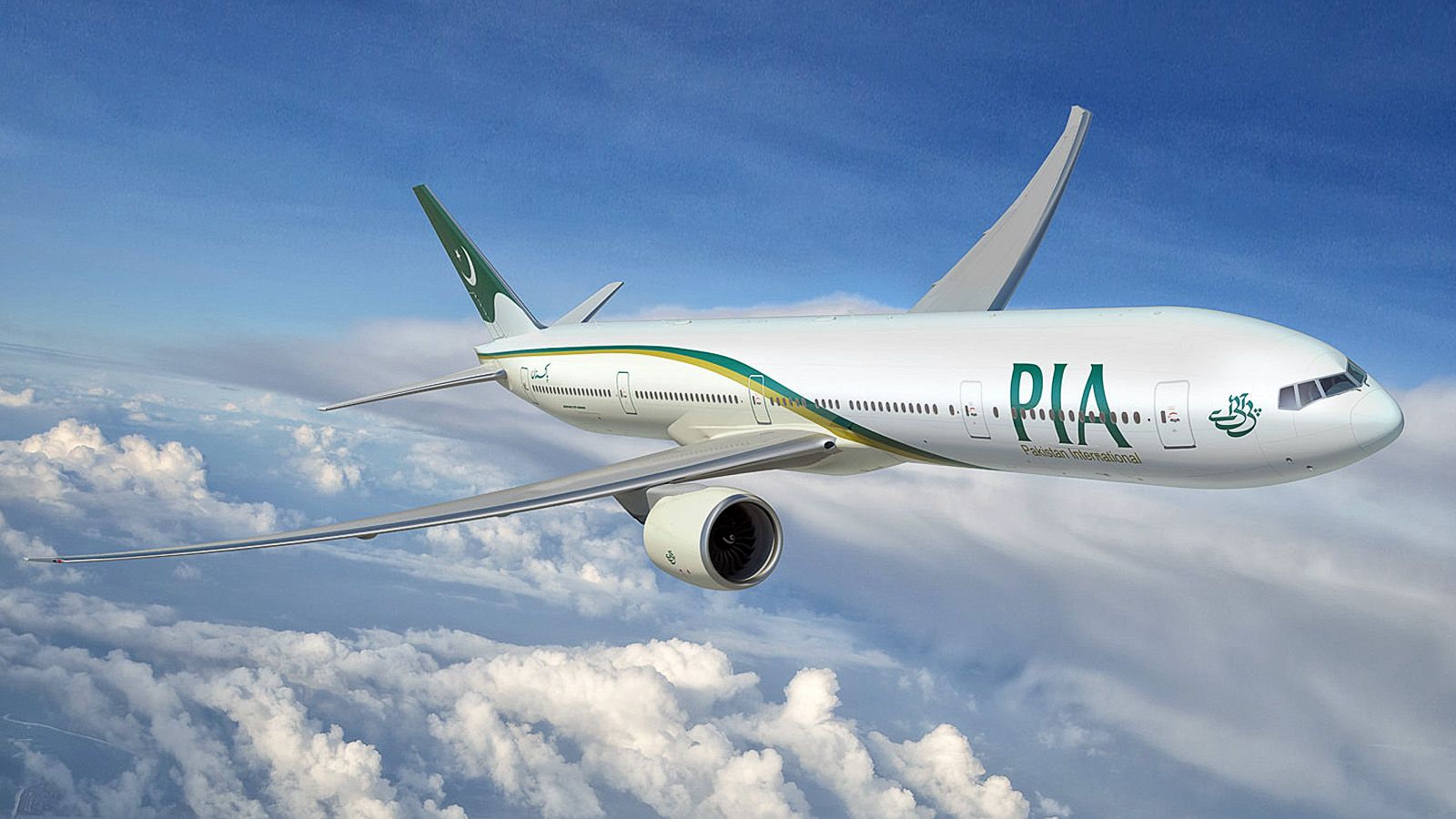
Pakistan International Airlines Clarifies Unplanned Landing in Karachi
Pakistan International Airlines (PIA) has released a detailed statement regarding an unscheduled landing of its Lahore-Jeddah flight in Karachi early Thursday morning. The airline emphasized that the decision was made as a precautionary measure after the pilot detected cracks in the aircraft’s windshield during the flight. According to a PIA spokesperson, the pilot observed the cracks at an altitude of approximately 34,000 feet, which were likely caused by wind shear.
The airline highlighted that the situation was managed professionally and with utmost caution throughout the incident. The pilot did not report any bird strike, and no emergency was declared at any point during the flight. The aircraft safely landed at Jinnah International Airport in Karachi at 07:06 a.m. All passengers and crew members are reported to be safe, and the airline confirmed that standard safety procedures were followed during the entire process.
PIA also mentioned that arrangements are being made for the onward journey of passengers to Jeddah after a thorough technical inspection of the aircraft. The airline’s statement aimed to address concerns raised on social media, where reports suggested an emergency landing. However, PIA categorically denied these claims, reiterating that the landing was a precautionary measure taken to ensure the safety of all onboard.
Details of the Incident
- Time of Landing:The aircraft landed at 07:06 a.m. at Jinnah International Airport in Karachi.
- Altitude of Discovery:The windshield cracks were noticed at around 34,000 feet.
- Cause Suspected:Wind shear is believed to be the most likely cause of the cracks.
- No Emergency Declared:The pilot did not report any bird strike or other issues that would necessitate an emergency landing.
Passenger Safety and Next Steps
The airline reassured the public that all passengers and crew were unharmed following the incident. A technical team conducted a comprehensive inspection of the aircraft before allowing it to proceed with its journey to Jeddah. PIA stated that the inspection was part of standard operating procedures to ensure the continued safety and reliability of its fleet.
The airline also acknowledged the concerns raised on social media but clarified that the landing was not due to an emergency. Instead, it was a proactive step taken to safeguard the well-being of everyone on board. This clarification comes as part of PIA’s ongoing efforts to maintain transparency and build trust with its passengers.
Conclusion
The incident highlights the importance of vigilance and adherence to safety protocols in the aviation industry. While the situation was resolved without any harm, it serves as a reminder of the critical role that pilots and maintenance teams play in ensuring the safety of air travel. PIA’s prompt response and clear communication have helped to dispel any unnecessary alarm and reinforce the airline’s commitment to passenger safety.