

The Debate Over Police Salaries in Australia
A recent interview with a forensic police officer has sparked widespread public outrage in Australia, as it revealed that she earns less than $100,000 annually. The conversation, which took place during an interview for the job-seeking app Get Ahead, highlighted the disparity between the demanding nature of her role and the compensation she receives.
The officer, who works with the Queensland Police in Brisbane, explained her position and salary during the interview. She described herself as a “scenes of crime officer” and mentioned that she earns “just under six figures.” According to her, the salary can vary depending on the rank within the police force. She also shared details about her career path, stating that she trained for around six years before reaching her current position. Prior to joining the police force, she earned a bachelor of science degree. After completing two to three years of general policing, she transitioned into the forensic unit, where she has now served for eight years.

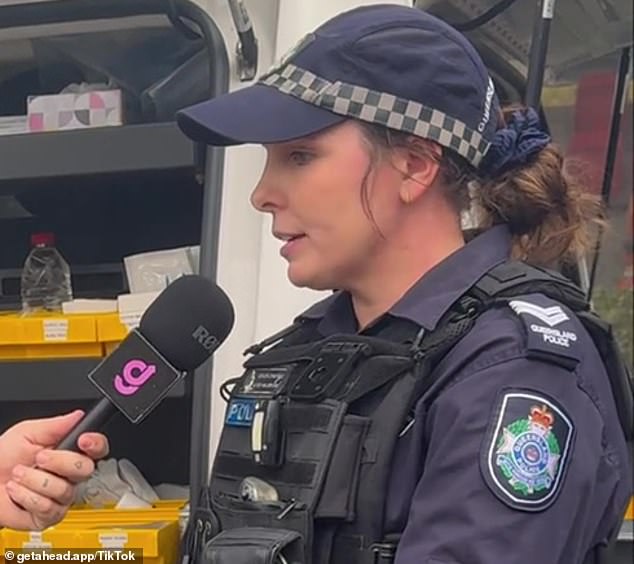
Despite the long hours and challenging work environment, the officer expressed satisfaction with her job. She noted that her role involves a significant amount of overtime, with some assignments lasting up to a week. Although she spends approximately 12 hours at the scene each day, she is able to return home for rest and meals. The officer emphasized that she enjoys a positive relationship with her boss and colleagues, and that there are support systems in place to help manage the mental strain of being a frontline worker. She described the most rewarding aspect of her job as being the one who identifies offenders, which directly contributes to arrests made by investigators.

However, many online commenters focused on the fact that her salary is below $100,000. One user wrote, “Police should be paid at least $200k a year! Their mental health is very important for their role.” Another commented, “This woman is awesome. They need to pay her way more.” Others echoed similar sentiments, stating that the salary is “not much money at all” and calling it an “insult to our first responders.”
According to data from Seek, the average salary for a police officer in Australia ranges between $60,000 and $70,000, though this varies by state and role. For example, probationary constables in New South Wales start at around $98,000. These figures have led to growing concerns about the financial sustainability of police roles in the country.
The controversy has also prompted discussions about other professions in Australia, such as trainees, brain surgeons, and tradies, whose salaries are often compared to those of police officers. These debates highlight broader issues related to fair compensation, workload, and the value placed on different types of essential jobs.
Public Reaction and Broader Implications
The public reaction to the officer’s salary has been intense, with many questioning why individuals in high-stress, critical roles are not compensated more fairly. This has led to calls for increased funding and better pay structures for law enforcement. Some argue that the low wages may contribute to high turnover rates or burnout among police officers, ultimately affecting the quality of service they provide.
In addition, the discussion has extended beyond just salaries. Many are also concerned about the mental health support available to police officers, as well as the overall working conditions in the field. With the increasing complexity of crimes and the demands placed on frontline workers, there is a growing consensus that the system needs to evolve to better support those who serve the public.
As these conversations continue, it remains to be seen whether there will be meaningful changes in how police officers are valued and compensated in Australia. For now, the debate over fair pay for first responders continues to gain momentum, reflecting a broader societal shift toward recognizing the importance of essential workers.