
Understanding Blood Cancer: A Comprehensive Overview
Blood cancer is a term that often comes up in discussions about serious health conditions, but many people may not fully understand what it entails. If you’re wondering about the nature of blood cancer, you’re not alone. This article aims to provide a detailed explanation of what blood cancer is, its impact on the body, and the different types that exist.
What Is Blood Cancer?
Blood cancer refers to a group of cancers that affect the blood, bone marrow, and lymphatic systems. These cancers occur when blood cells do not develop properly and instead multiply uncontrollably. This abnormal growth can interfere with the body’s ability to produce healthy blood cells, leading to a range of symptoms and complications.
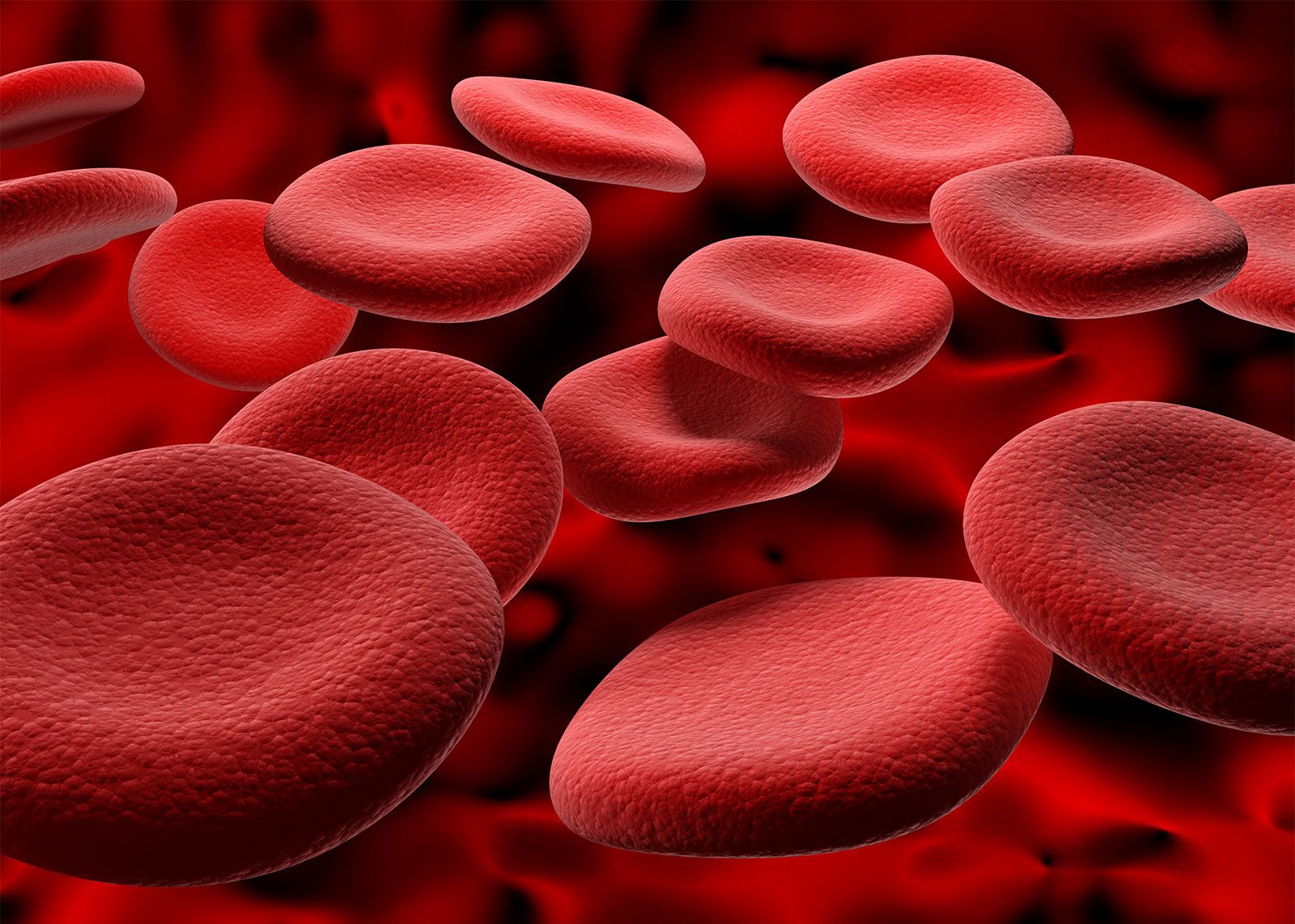
The primary function of blood cells is to carry oxygen throughout the body, fight infections, and help in clotting to prevent excessive bleeding. When these cells are affected by cancer, the body’s normal functions can be disrupted, resulting in various health issues.
Common Symptoms of Blood Cancer
Individuals suffering from blood cancer may experience a variety of symptoms, which can vary depending on the type and stage of the disease. Some of the most common symptoms include:
- Fatigue: Due to a decrease in red blood cells, which carry oxygen.
- Frequent Infections: Caused by a reduced number of white blood cells, which are responsible for fighting infections.
- Easy Bruising or Bleeding: Resulting from a lower platelet count, which helps in blood clotting.
Other symptoms may include unexplained weight loss, night sweats, and swollen lymph nodes. It is important to note that these symptoms can also be caused by other conditions, so a proper diagnosis by a healthcare professional is essential.
Types of Blood Cancer
There are several types of blood cancer, each affecting different parts of the blood and immune system. The most common types include:
-
Leukemia: This type of cancer affects the blood and bone marrow, leading to an overproduction of abnormal white blood cells. There are several subtypes of leukemia, including acute and chronic forms.
-
Lymphoma: Lymphoma involves the lymphatic system, which is part of the immune system. It occurs when there is an abnormal growth of lymphocytes, a type of white blood cell. There are two main types of lymphoma: Hodgkin and non-Hodgkin.
-
Myeloma: Myeloma is a cancer of the plasma cells, which are a type of white blood cell found in the bone marrow. This condition can lead to weakened bones, anemia, and other complications.
Each of these types of blood cancer has its own set of characteristics, treatment options, and prognosis. Early detection and appropriate treatment are crucial for managing the disease effectively.
Diagnosis and Treatment
Diagnosing blood cancer typically involves a combination of medical history review, physical examination, and laboratory tests. Blood tests, imaging scans, and biopsies may be used to determine the specific type and stage of the cancer.
Treatment options for blood cancer depend on the type and severity of the disease. Common treatments include chemotherapy, radiation therapy, targeted therapy, and stem cell transplantation. In some cases, a combination of these treatments may be used to achieve the best possible outcome.
Conclusion
Blood cancer is a complex and serious condition that affects the body’s ability to produce healthy blood cells. Understanding the different types, symptoms, and treatment options is essential for those who may be at risk or have been diagnosed with the disease. If you or someone you know is experiencing symptoms that could indicate blood cancer, it is important to seek medical advice promptly.