
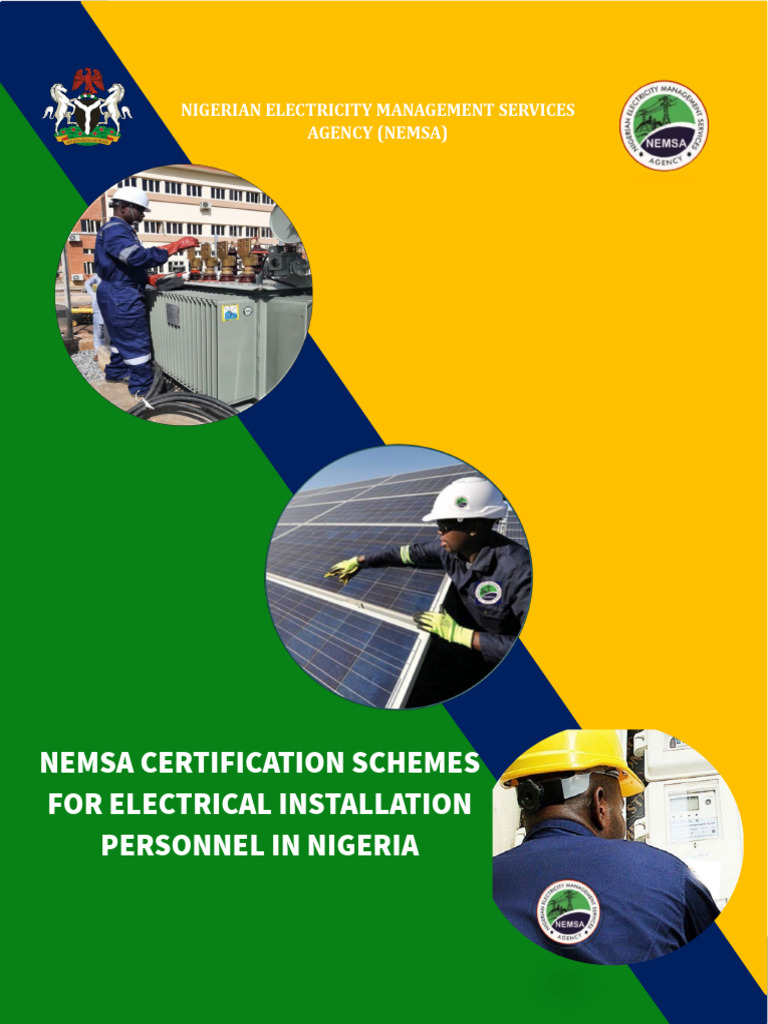
NEMSA Intensifies Monitoring to Ensure Electrical Safety and Reliability
The Nigerian Electricity Management Services Agency (NEMSA) has taken significant steps to ensure the safety, stability, and reliability of power networks across Nigeria. In a recent statement, the agency highlighted its intensified nationwide monitoring, testing, and inspection of electrical installations. This initiative aims to address critical issues that could compromise the integrity of the power supply.
One of the key areas inspected was the Afikpo 33kV feeder and the Nibo Injection Substation in Ebonyi State. During the technical inspections, officials identified 31 critical defects that require immediate attention. These findings were reported to NEMSA headquarters, prompting the agency to direct the Enugu Electricity Distribution Company (EEDC) to rectify all identified issues to prevent potential hazards that could result in loss of life or property.
According to the inspection report submitted by the Enugu Inspectorate Office, led by Osita Obiukwu, several issues were observed. These included right-of-way violations, vegetation encroachment, broken cross-arms, aged and undersized 33kV overhead conductors with multiple joints. Additionally, the report noted that several overhead lines were flying over residential and commercial premises, posing serious risks to the public.
Under the Electricity Act 2023, NEMSA is mandated to enforce compliance with safety requirements for the construction, operation, and maintenance of electrical power plants, transmission systems, distribution networks, and electrical installations. The agency is also responsible for providing comprehensive technical support services to ensure efficient production and delivery of safe and reliable electricity.
In line with this mandate, NEMSA has given EEDC four weeks to rectify all identified defects at the Afikpo Injection Substation and other associated networks within the state. This directive underscores the agency’s commitment to maintaining high safety standards in the power sector.
Expanding Inspections Across States
In a related development, NEMSA engineers have completed the testing and inspection of transformers in Kebbi, Zamfara, and Sokoto States. The inspections were led by Muhammad Bello and ensured that these installations met NEMSA’s technical regulations and standards before full commissioning.
Furthermore, the NEMSA National Meter Test Station (NMTS) in Port Harcourt has successfully completed the final phase of its bi-annual verification and calibration of meter-testing equipment. This exercise, supervised by NEMSA Headquarters, is crucial for maintaining precision and integrity in all instruments used to test and certify electricity meters nationwide.
According to the Head of NMTS, Port Harcourt, Koproda Cyriacus, similar calibration exercises are ongoing across all NEMSA meter testing centers. This ensures accuracy in electricity billing and enhances consumer confidence in the Nigerian Electricity Supply Industry (NESI).
Advancing Clean Energy Initiatives
In a decisive move toward advancing Nigeria’s clean energy future, NEMSA, in collaboration with the Deutsche Gesellschaft für Internationale Zusammenarbeit (GIZ) through the Nigerian Energy Support Programme (NESP), convened a high-level stakeholder consultation in Abuja. The event aimed to review the draft Guidelines for Interconnecting Solar Mini-Grids to Distribution Networks.
The one-day forum brought together major players across the power value chain, including the Federal Ministry of Power, Nigerian Electricity Regulatory Commission (NERC), Transmission Company of Nigeria (TCN), Distribution Companies (DisCos), Rural Electrification Agency (REA), solar developers, and renewable energy associations. The goal was to harmonize perspectives and strengthen the framework for safer, smarter, and more sustainable grid integration.
Declaring the session open, Permanent Secretary of the Federal Ministry of Power, Mahmuda Mamman, commended NEMSA, GIZ, and their partners from the European Union and German Government for organizing what he described as a “timely and forward-looking dialogue.” He emphasized that achieving universal access to affordable, reliable, and sustainable electricity remains a national imperative, reaffirming the government’s goal to achieve 30 per cent renewable energy contribution to Nigeria’s electricity mix by 2030 under the Energy Transition Plan.
Commitment to Safety and Innovation
In his welcome remarks, Aliyu Tukur Tahir, Managing Director/CEO of NEMSA and Chief Electrical Inspector of the Federation, reiterated the agency’s unwavering commitment to safety, technical excellence, and innovation within the power sector. He noted that as solar mini-grids continue to expand into rural and peri-urban communities, structured interconnection with the main grid must uphold the highest safety and technical standards.
“Our objective is to provide a framework that enhances access, protects investments, and guarantees safety across the electricity value chain. The guidelines we are reviewing today will serve as a roadmap for safe, seamless, and sustainable grid integration,” he said.