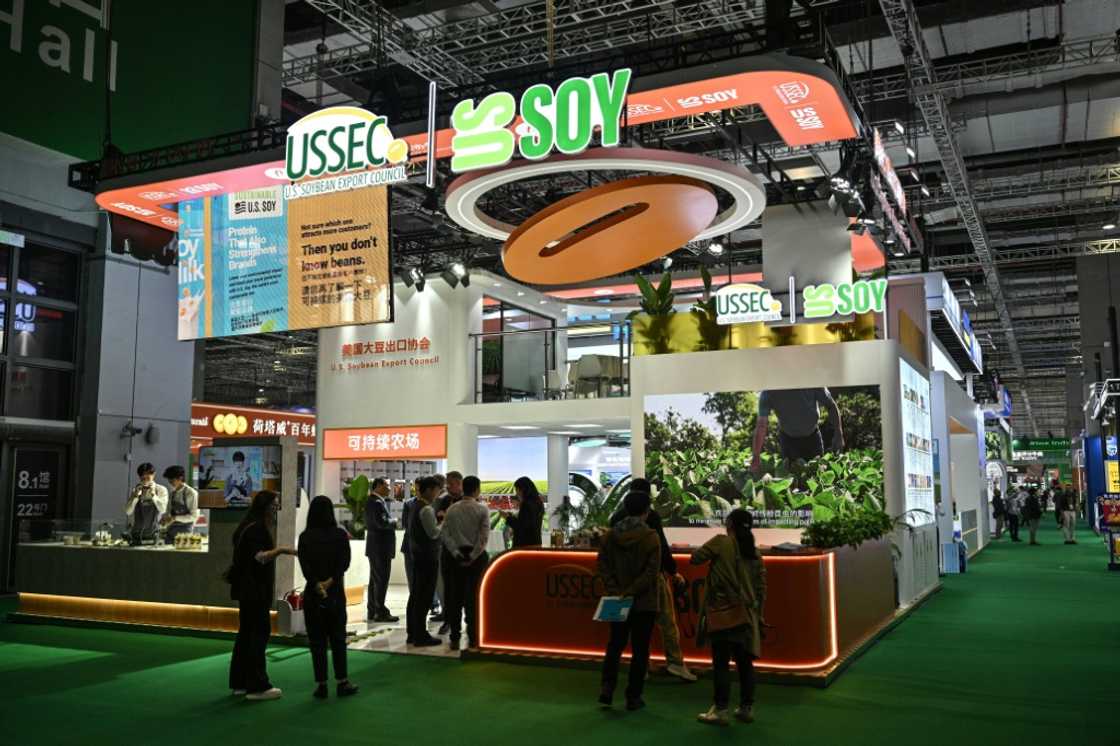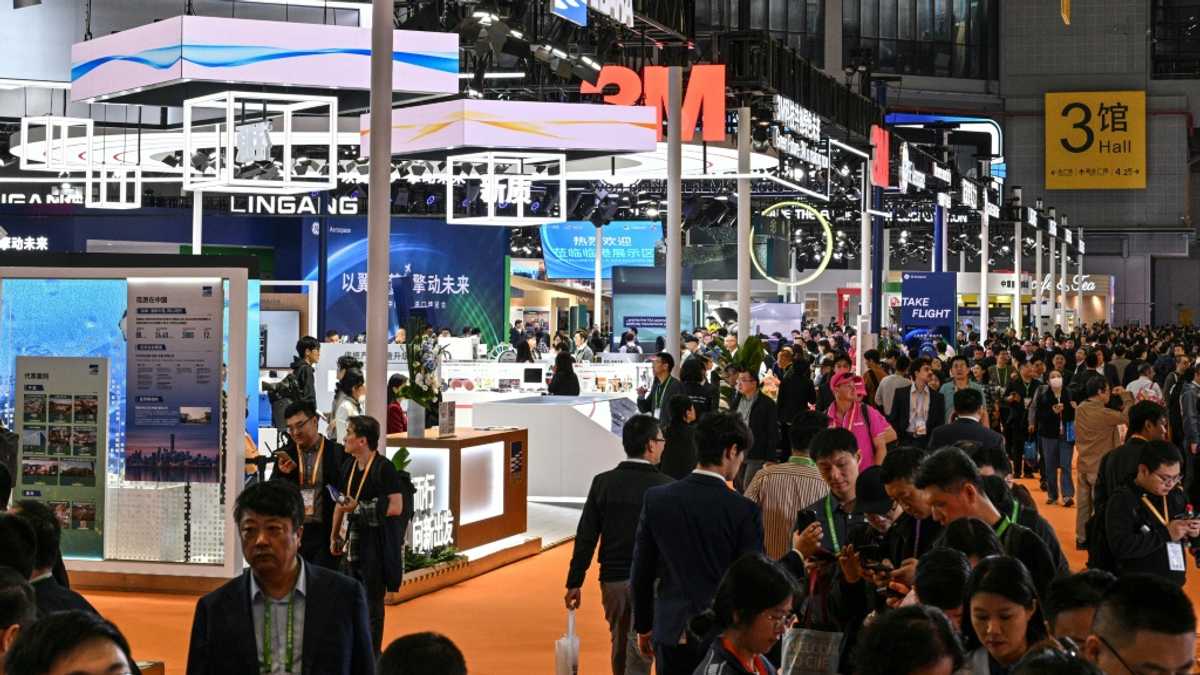
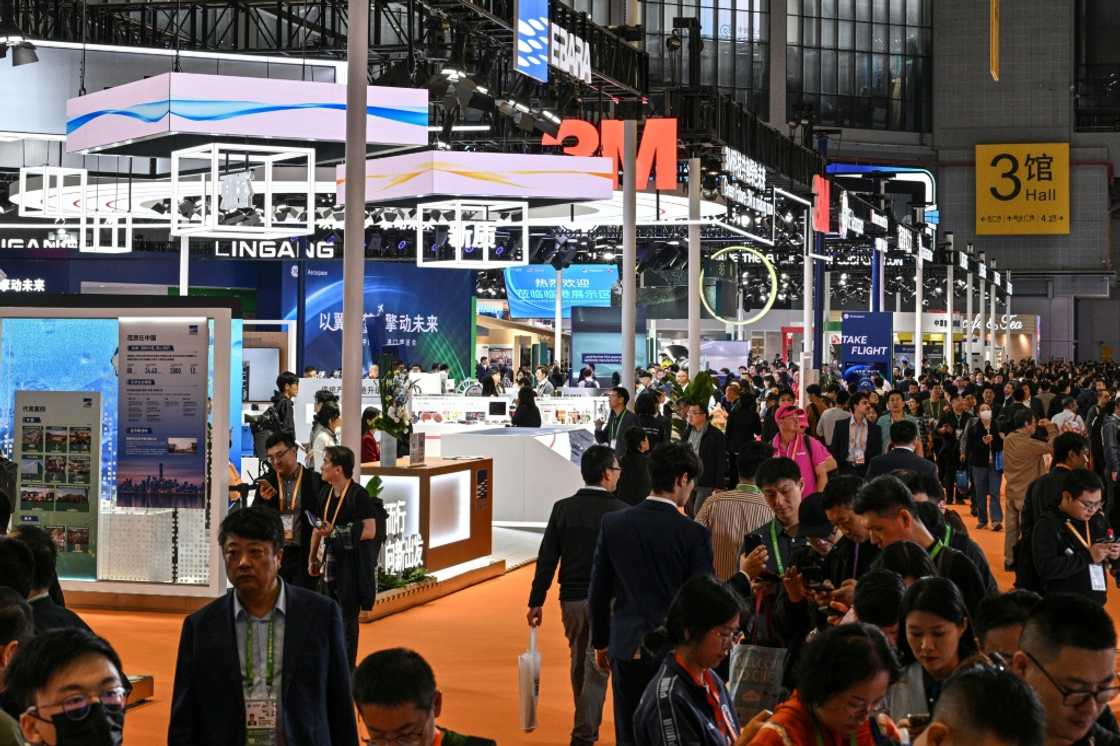
The United States and China have been locked in a complex trade war that has had far-reaching impacts on businesses across both nations. At the annual China International Import Expo (CIIE) in Shanghai, American exporters shared their concerns and hopes for improved bilateral relations. The event, which showcases a wide array of products from handbags to salt, provided a platform for these exporters to voice their experiences and aspirations.
Impact of Tariffs on US Businesses
One of the most affected sectors has been the ginseng industry. Ming Tao Jiang, a ginseng seller from Wisconsin, highlighted the devastating effects of the trade war. Before 2018, there were 200 registered growers in Marathon County, but this number has drastically dropped to 70 due to multiple rounds of tariffs. Jiang, founder of the Marathon Ginseng company, emphasized that the situation has been exacerbated by the pandemic, making it even more challenging for local growers.
“The recent agreement between the two governments has brought some stability,” Jiang said. “We are looking forward to better opportunities in the future.”
Ginseng, particularly the North American variety, has a long history of trade with China. It was one of the first products shipped from the US to China in the 1780s. However, since 2018, both countries have imposed retaliatory tariffs on each other’s ginseng products. Currently, Jiang’s goods face a 45% import duty in China.
Diversified Products and Optimism
Other US exhibitors at the CIIE also expressed cautious optimism about the potential for improved trade relations. Visitors could be seen sampling Chinese-style baijiu liquor made from American rice and browsing stalls offering cornbread mixes and California almonds. This diversity of products highlights the breadth of American exports.
Tara Qu, a trade representative in China for Idaho state, mentioned the importance of tariff reductions. She oversaw the ceremonial signing of a purchase agreement between a Chinese maker of salted duck eggs and dynamite. Qu noted that while the recent agreement to suspend additional tariffs is a positive step, there is still a need for further reductions to normalize trade.
“We hope there will be a further reduction, so that trade can go back to normal,” Qu said. She also pointed out that US companies fear that Chinese buyers may turn to alternative suppliers due to the uncertainty caused by the trade war.
Challenges and Concerns
Anderson Northwest, an Idahoan producer of beans and pulses, has been hit especially hard by the increased tariffs. Since the tariffs increased by 20%, they have not exported any of their products to China. This illustrates the significant impact of trade barriers on small businesses.
Eric Zheng, president of the American Chamber of Commerce in Shanghai, echoed similar concerns. He stated that tariffs are hurting everyone involved in the trade. Zheng noted that Californian wines, for example, are currently subject to over 100% in Chinese import duties. He emphasized the need for more tariff reductions to support American businesses.
Throughout the trade war, planning for the long term has been extremely difficult. Zheng welcomed the planned visits by Trump and Xi to each other’s countries next year. He believes that these political events could lead to a more stable environment for trade, at least in the next year.
Looking Ahead
Zheng’s comments reflect a broader sentiment among American exporters who are hopeful for a more stable and predictable trade relationship with China. The recent agreement between the two countries is seen as a positive development, but there is still a long way to go to achieve the desired level of trade normalization.
As the trade war continues to evolve, the experiences of these exporters highlight the need for continued dialogue and cooperation between the United States and China. The outcome of these discussions will have significant implications for businesses and economies on both sides of the Pacific.