
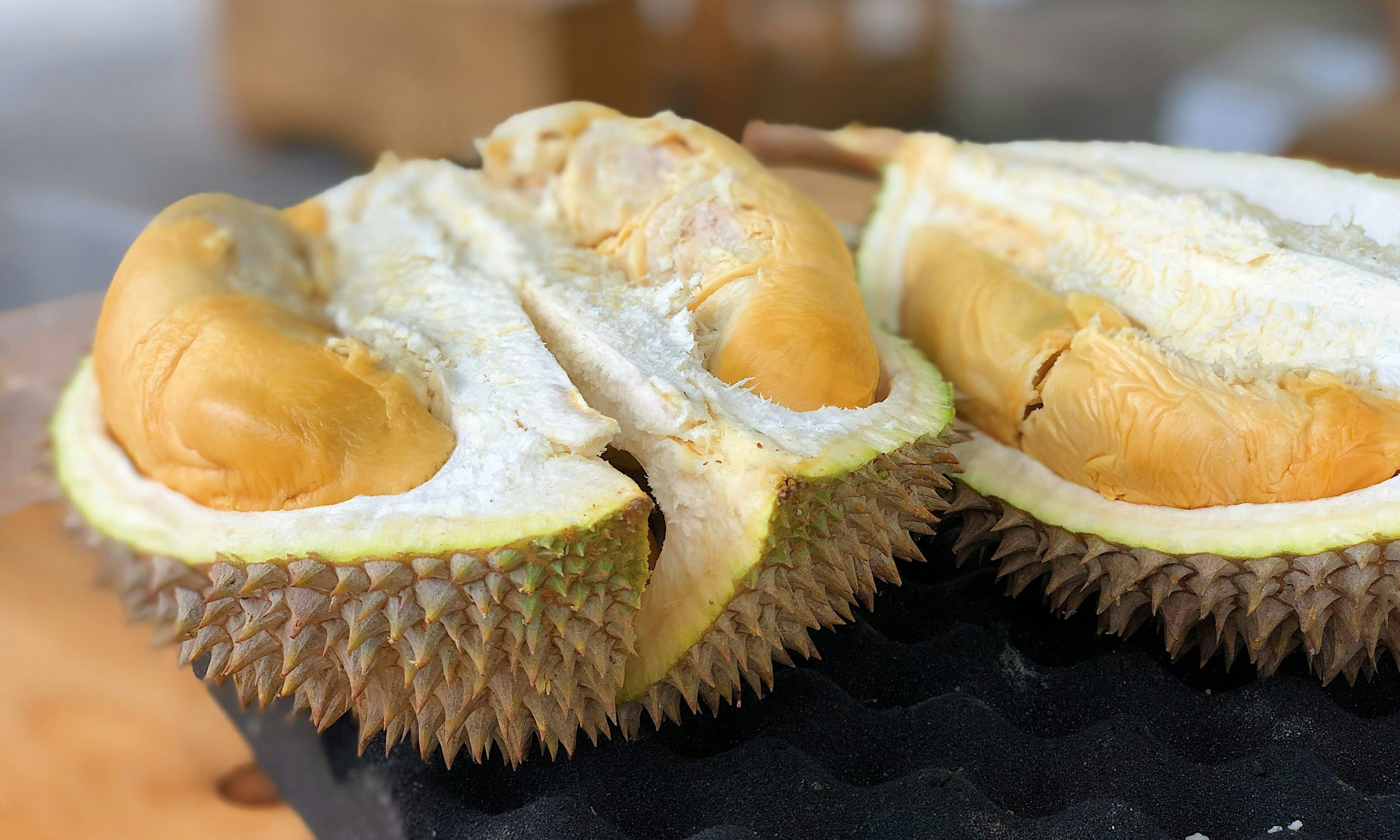
Corruption Scandal Involving Durian Exports Uncovered in Vietnam
A significant corruption case has been uncovered in Vietnam, involving 17 individuals, including eight company directors, who are under investigation for allegedly buying and selling cultivation codes and testing certificates used in durian exports to China. Authorities have stated that this scheme has damaged the country’s reputation in the international market.
The Ministry of Public Security announced on November 5 that its anti-corruption and economic crimes division is conducting an investigation into violations linked to several entities, including the Reference Testing and Agrifood Quality Services Center (Retaq), Nho Nho Technology Co. Ltd., Thuy Fruit Co. Ltd., and related firms. The suspects are accused of receiving and offering bribes, acting as bribe brokers, and abusing their influence over officials for personal gain.
So far, police have detained 14 individuals and imposed travel restrictions on three others. According to investigators, the scheme involved the illegal trade of growing-area codes and laboratory certificates, which are essential documents for exporting durians to China. This practice allowed products with falsified origins and substandard quality to enter foreign markets, undermining confidence in Vietnamese fruit exports.
China remains one of Vietnam’s largest buyers of durians. In September alone, the country spent nearly $1 billion on the fruit, marking a 67.7% increase from the previous month. It accounted for 93.6% of total durian exports. Over the first nine months of 2025, durian exports reached nearly $2.8 billion, reflecting a 65% year-on-year increase.
Vietnam currently has 24 testing laboratories accredited by Chinese authorities, capable of processing around 3,200 samples per day. However, during peak harvest seasons, many facilities have been overwhelmed, leading to equipment failures and expired licenses. As a result, delays in license renewals have become common. Since July 1, local governments have taken over the reissuance of licenses, but bureaucratic hurdles continue to slow progress.
Key Details of the Case
- The investigation involves multiple companies and testing centers.
- Suspects are accused of various forms of bribery and abuse of power.
- The scheme allowed substandard products to reach international markets.
- China is a major buyer of Vietnamese durians, with significant growth in imports.
- Testing labs face challenges during peak seasons, affecting export processes.
Impact on Vietnamese Exports
The scandal has raised concerns about the integrity of Vietnam’s agricultural exports, particularly durians, which are a key commodity in the country’s economy. The involvement of testing centers and laboratories in the scheme highlights systemic issues within the regulatory framework.
Authorities are working to address these challenges by improving oversight and streamlining procedures. However, the recent revelations underscore the need for stronger enforcement mechanisms to prevent similar incidents in the future.
As the investigation continues, it is expected that more details will emerge regarding the extent of the corruption and the roles played by different entities. The outcome of this case could have long-term implications for Vietnam’s export sector and its relationship with key trading partners like China.