A New Fisheries Act: Opportunities and Challenges
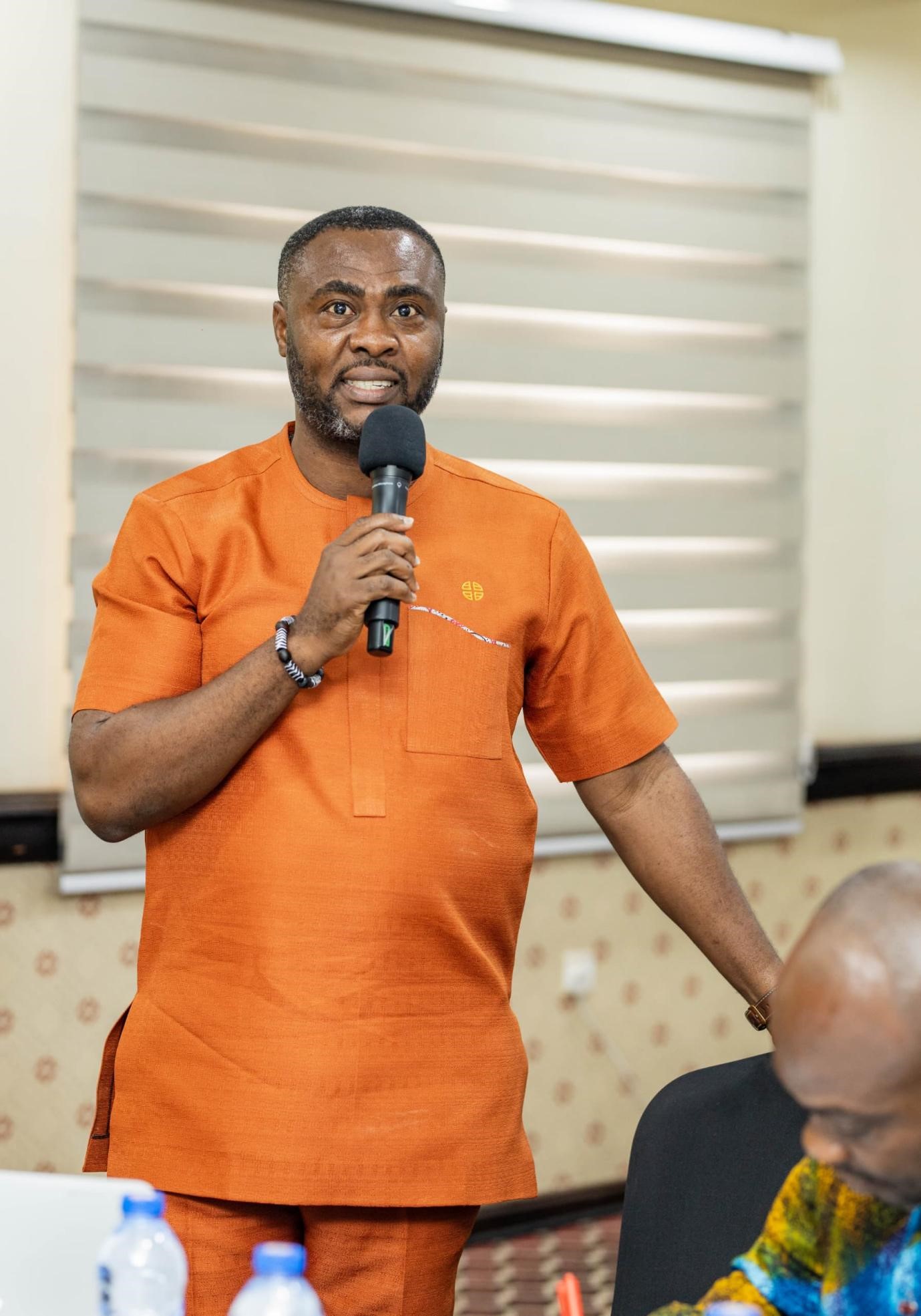
The new Fisheries Act has been introduced as a significant step towards sustainable ocean management. However, the law’s rapid enactment without adequate consultation has raised concerns among experts. Dr. Godwin Djokoto, Coordinator of the Ocean Governance Project, has highlighted both the importance of the law and its potential shortcomings.
Dr. Djokoto emphasized that the one-year period designated for drafting the law’s accompanying regulations is crucial to addressing some of these issues. He pointed out that the law contains technical errors that could complicate enforcement. For instance, the Fisheries Commission is tasked with collaborating with certain voluntary organizations to enforce the law. This, he warned, could lead to problems if those organizations become defunct.
“Looking at the fact that it is possible for some of these organizations to go defunct, if they remain in the law, that becomes a technical problem to the execution of the law,” Dr. Djokoto explained. He recommended that the government use broader language, such as “stakeholders,” instead of naming specific voluntary organizations in the law.
Stakeholder Consultation and Recommendations
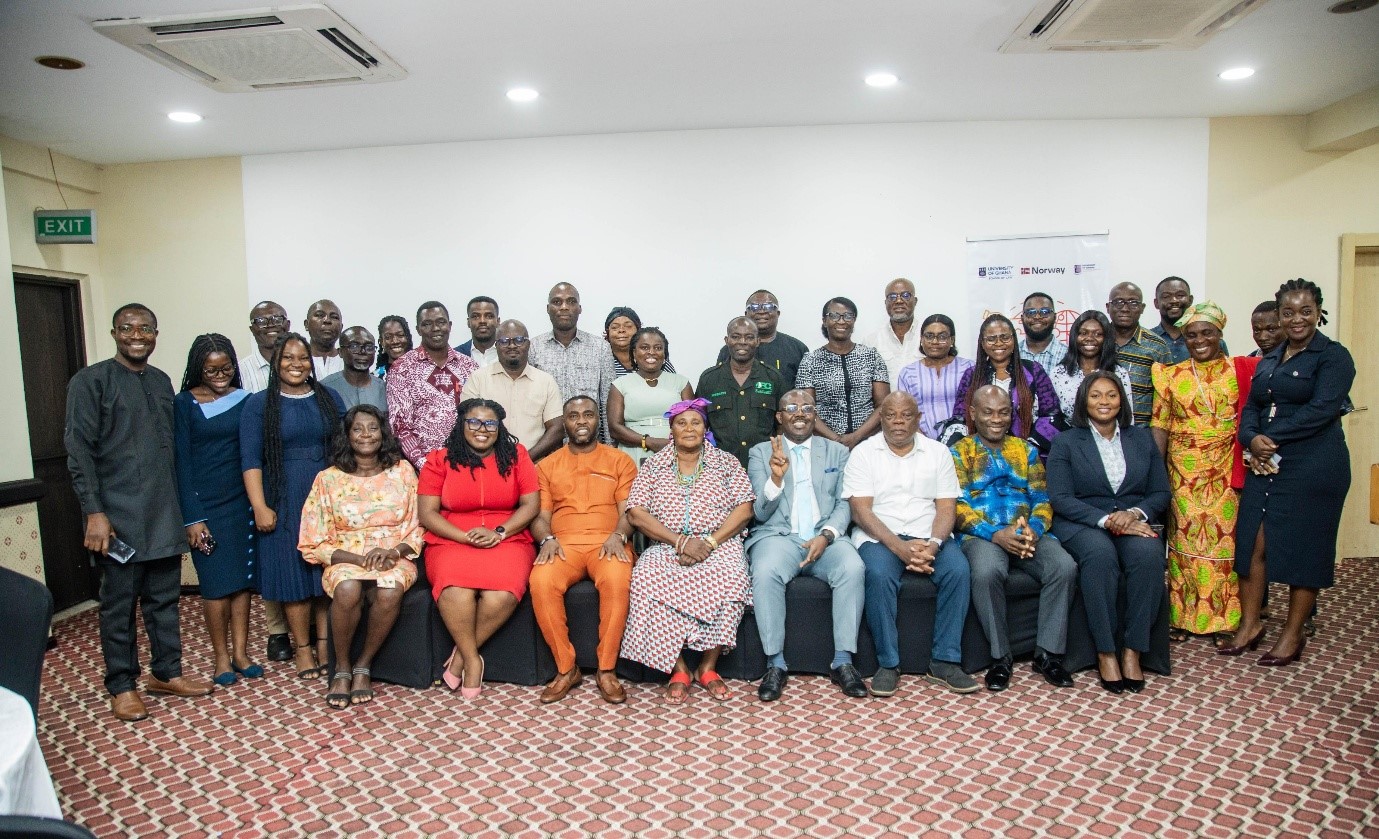
The dialogue on the new Fisheries Act, 2025 (ACT 1146) and the WTO agreement on harmful fisheries was convened by the University of Ghana School of Law and the Department of Marine and Fishery Sciences. It brought together legal scholars, scientists, and government officials to discuss the law’s shortcomings and make recommendations.
Dr. Djokoto noted that while the consultation was not very extensive, the law has been passed and is binding. He stressed that there is still an opportunity, though narrow, to rectify the law’s shortcomings through upcoming regulations.
Dr. Kweku Ainuson, Head of the Department of International Legal Studies, opened the dialogue by highlighting the significance of the new act and Ghana’s ratification of the WTO Agreement on Harmful Fisheries Subsidies. He described it as a “pivotal moment” for the nation but emphasized the need for practical implementation.
“When laws are well-drafted but poorly understood, they remain under-enforced. When international obligations are ratified but not domesticated, they remain symbolic,” he warned.
Shifting Perspectives on Fisheries
Dr. Djokoto argued that Ghana must shift its perspective on fish, moving away from viewing it solely as food to seeing it as a core commodity for national wealth creation. He emphasized the importance of transitioning from subsistence-level fishing to a more commercial approach that can transform the country’s economy.
“We are actually moving to the direction of the blue economy, where we actually harness our marine resources for the betterment of this country, in terms of business and wealth. We must exit from the point where we treat fishing at a subsistence level to that of good business, which can transform the lives and the economy of this country,” he added.
Dr. Djokoto also pointed to Norway as a model, where the economy is built on hydrocarbons and fish, balancing food security with commercial gain. “So in my mind, it should be both. Both serving as food and business,” he said.
Conclusion
While the new Fisheries Act presents opportunities for sustainable ocean management and economic growth, it also highlights the need for careful implementation and stakeholder engagement. The coming year will be critical in addressing the law’s technical flaws and ensuring its effective enforcement. As Ghana moves towards a blue economy, the lessons learned from this process will be vital in shaping the future of its marine resources.