
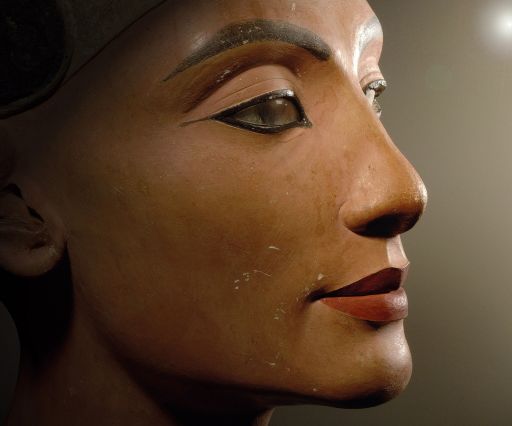
The Grand Egyptian Museum and the Call for Nefertiti’s Return
The opening of the Grand Egyptian Museum in Cairo has reignited global discussions about the restitution of one of the most iconic artifacts of ancient Egypt: the Nefertiti bust. This famous limestone sculpture, discovered in 1912, has been housed in Berlin since 1913 and is now a centerpiece of the Neues Museum. Its presence in Germany continues to spark debates over cultural heritage, colonial history, and ethical ownership.
Nefertiti, whose name means “the beautiful one has come,” was the Great Royal Wife of Pharaoh Akhenaten, who led a radical religious transformation in ancient Egypt by promoting the worship of the sun god Aten. While her historical significance is undeniable, it is the discovery of the Nefertiti bust that has made her an enduring symbol of beauty, power, and mystery. The artifact has captivated figures such as Adolf Hitler, Beyoncé, and activists during the Arab Spring.
The bust was found by a German archaeological team led by Ludwig Borchardt in 1912. According to the Prussian Cultural Heritage Foundation, the piece was legally acquired under the terms of the time, with the division of finds being a common practice. However, this claim has been contested by scholars and activists who argue that the process was not entirely transparent.
Growing Calls for Restitution
With the Grand Egyptian Museum now open, calls for the return of the Nefertiti bust have gained momentum. Visitors are being encouraged to sign a petition initiated by Zahi Hawass, former Minister of Tourism and Antiquities in Egypt. The petition emphasizes the need for dialogue and seeks to inspire the return of the artifact to Cairo. Despite these efforts, the German government has maintained its stance, stating that no official demands have been made for the bust’s return.
The German Federal Foreign Office has also stated that it is unaware of any formal requests from Egyptian authorities. Meanwhile, the Prussian Cultural Heritage Foundation has not responded to inquiries but has consistently upheld its position on the matter.
Legal or Ethical?
Stefan Müchler, a spokesperson for the Prussian Cultural Heritage Foundation, asserts that the bust was legally taken out of Egypt and that there is no official claim from the Egyptian government. However, researchers like Monica Hanna challenge this view, arguing that the initial valuation of the bust was deliberately downplayed. Borchardt described the artifact as “a painted royal princess” in his notes, despite knowing it depicted Nefertiti.
Historians such as Sebastian Conrad and Jürgen Zimmerer question the legitimacy of the legal framework that allowed the bust to be taken. They argue that the laws governing cultural property at the time were shaped by unequal power dynamics, particularly during the colonial era when Egypt was under British influence. From a modern perspective, they suggest that the law itself may not justify the continued possession of the artifact.
A History of Blocked Repatriation Efforts
Efforts to return the bust have faced significant obstacles. In 1925, Egypt threatened to ban German excavations unless the artifact was returned. James Simon, the financier of Borchardt’s expedition, proposed an exchange of artifacts, but the plan never materialized. A later attempt in 1933 was blocked by Adolf Hitler, who was known to admire Nefertiti.
During World War II, the bust was stored in a plastic bag in a salt mine in Thuringia before being moved to Wiesbaden. This history raises questions about its fragility and whether it could safely be returned to Egypt.
Alternatives to Holding the Original
While the original bust remains in Berlin, some experts suggest alternative solutions. Sebastian Conrad proposes the creation of a reproduction of the artifact, accompanied by information about its history and the restitution movement. He acknowledges that such a replica would lack the “aura of authenticity” associated with the original but argues that it could still serve as a powerful educational tool.
Jürgen Zimmerer adds that museums should consider the ethical implications of displaying objects acquired through colonial means. He questions whether Berlin should continue to profit from the “aura” of the Nefertiti bust, given its controversial origins.
As the debate continues, the Nefertiti bust remains a focal point in the broader conversation about cultural heritage and the responsibilities of nations that hold artifacts from former colonies. The Grand Egyptian Museum’s opening serves as a reminder of the importance of addressing these issues with transparency, respect, and a commitment to justice.