
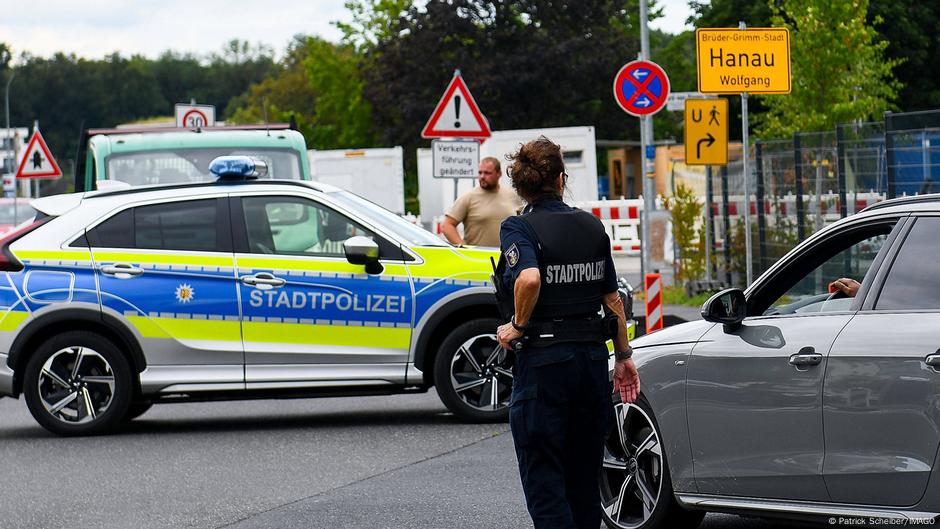
Rising Tensions in Hanau: Blood-Smeared Swastikas Spark Investigation
The city of Hanau has been shaken by a series of alarming incidents involving the appearance of more than 50 swastikas, some of which were reportedly painted using animal blood. These acts of vandalism have raised concerns among local authorities and residents alike, as they are seen as a direct reference to Nazi symbols, which are strictly prohibited in Germany.
Police in the central German city of Hanau are currently investigating these incidents, which could result in prison sentences of up to three years if proven. The swastikas were found on cars, mailboxes, and the sides of houses, with many of them appearing to be made with animal blood, adding a layer of severity to the offenses.
This is not the first time Hanau has faced such challenges. In February 2020, the city was the site of one of Germany’s deadliest mass shootings, when a far-right extremist targeted bars frequented by the immigrant community. The recent acts of vandalism have reignited fears of a resurgence of far-right activities in the region.
Government Debates Prostitution Laws
In another significant development, the Bundestag President, Julia Klöckner, has restarted discussions on Germany’s prostitution laws, which are considered relatively lenient compared to other European countries. Klöckner and federal Health Minister Nina Warken both expressed concerns about Germany’s reputation as the “brothel of Europe,” emphasizing the need for reform.
Currently, both the buying and selling of sex are legal within regulated brothels in Germany. However, there are growing calls to adopt the “Nordic model,” which criminalizes the purchase of sex while protecting those who sell it. This approach aims to reduce human trafficking and provide better support for sex workers seeking to leave the industry.
Chancellor Addresses Steel Industry Challenges
Chancellor Friedrich Merz is set to address leaders of Germany’s struggling steel industry during a “steel summit.” The meeting comes amid ongoing economic challenges that have affected the sector. The steel industry plays a crucial role in Germany’s economy, and the government is keen to explore ways to revitalize it.
Meanwhile, President Frank-Walter Steinmeier is concluding his Africa trip with a stop in Angola. His visit highlights Germany’s continued engagement with African nations and its commitment to fostering international partnerships.
Ongoing Coverage and Updates
As the day unfolds, updates from across Germany continue to highlight the nation’s evolving political and social landscape. From debates on legal reforms to responses to acts of hate, the news remains dynamic and impactful.
Residents of Hanau are closely watching the police investigation into the swastika vandalism, hoping for swift action to restore a sense of security. The city’s history, marked by both resilience and tragedy, underscores the importance of addressing such incidents with vigilance and determination.
In the broader context, Germany continues to navigate complex issues ranging from legal reforms to economic challenges, all while striving to maintain its position as a leader in European affairs. As the country moves forward, the focus remains on ensuring safety, promoting justice, and fostering a society that values diversity and inclusion.