
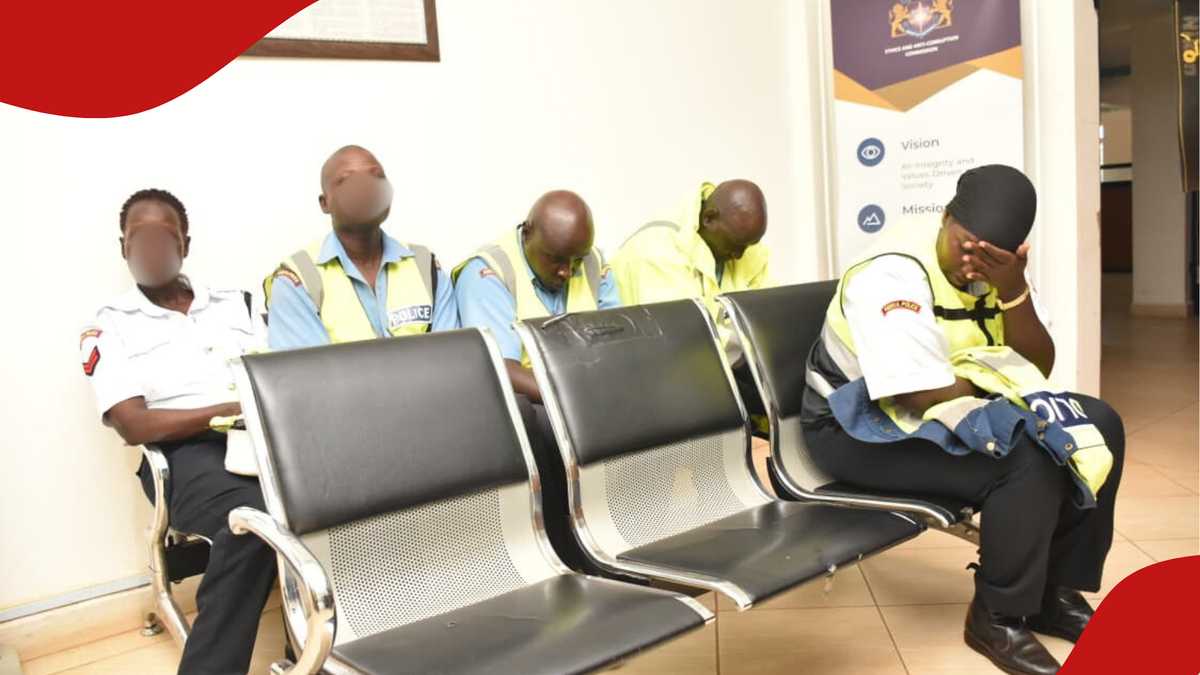
The Ethics and Anti-Corruption Commission (EACC) has taken significant steps to address corruption within the public sector, recently arresting five traffic officers for alleged bribery activities. The incident occurred along the Kisumu-Busia highway, a critical route that connects Kenya with its neighboring country, Uganda.
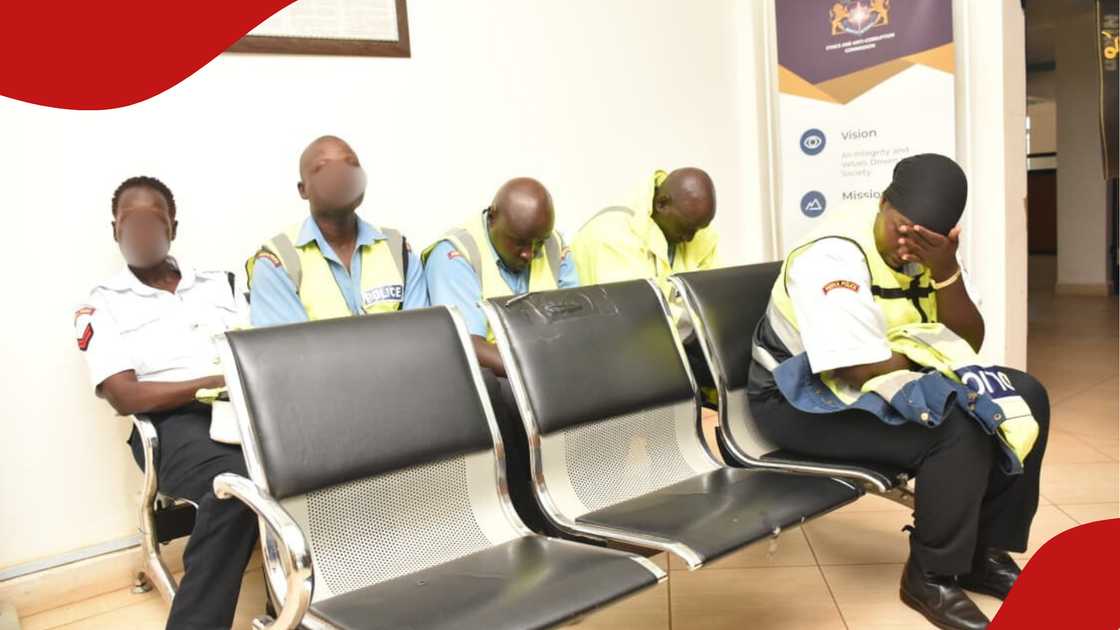
According to the EACC, the officers were apprehended for demanding bribes from motorists at a roadblock located about five kilometers from Busia town. This area is known for being a key entry and exit point for travelers and commercial vehicles. The commission revealed that the arrested officers were caught in the act of soliciting bribes, which led to their immediate detention.
The EACC’s decision to act came after receiving numerous complaints from the public regarding the corrupt practices of these officers. Motorists and local residents reported that the traffic officers were not only extorting money but also failing to perform their duties effectively. Instead of conducting proper vehicle checks or enforcing traffic laws, they were allegedly focusing on collecting bribes.
The five officers who were arrested include:
- Corporal Hezron Aburi
- Corporal Mary Nabei
- Police Constable James Weru
- Police Constable Mwakwekwe Nyoka
- Police Constable Aisha Abdullahi
These individuals were taken to the EACC Western Regional Office in Bungoma, where they provided statements before being transferred to the Bungoma Police Station for further legal proceedings. The EACC emphasized that this operation is part of a broader initiative to combat bribery at public service delivery points across the country.
The commission stated that it is intensifying its efforts by increasing intelligence gathering and surveillance in sectors that are most vulnerable to corruption. This includes essential public services such as transportation, healthcare, and education. The goal is to ensure that all citizens have access to quality services without having to pay bribes.
This latest arrest highlights the ongoing challenges faced by the EACC in its mission to root out corruption. However, it also demonstrates the commission’s commitment to holding public officials accountable for their actions. By taking swift action against those involved in corrupt practices, the EACC aims to restore public trust in government institutions.
The case has sparked discussions among Kenyan citizens about the need for stronger anti-corruption measures and greater transparency in public services. Many believe that such incidents should serve as a wake-up call for authorities to implement more effective strategies to prevent similar situations in the future.
As the EACC continues its crackdown on corruption, it remains crucial for the public to report any suspicious activities they encounter. By working together, citizens and authorities can create a more just and equitable society where corruption is no longer tolerated.