
The Role of Natural Gas in Ghana’s Energy Transition
The upstream petroleum sector continues to be a vital component of Ghana’s energy market, with natural gas playing a central role in the country’s shift toward cleaner fossil fuels. This transition is not only essential for environmental sustainability but also for economic growth and development. Madam Judith Adjobah Blay, the Chief Executive Officer of Ghana Gas Company Limited, highlighted the significance of natural gas as a key economic enabler during the 2025 Petroleum Commission’s annual Local Content Conference and Exhibition in Takoradi, Western Region.
Madam Blay emphasized that natural gas has become a critical driver of power generation, industrial productivity, and national development. She viewed this year’s conference theme, “Revitalising Ghana’s Petroleum Exploration and Production Sector: Driving Innovation and Redefining Local Content for a Competitive Energy Economy,” as particularly relevant given the current state of the sector. According to her, the theme encapsulates the transformation the industry urgently needs to achieve, aiming to increase natural gas production to support both industries and the broader economy.
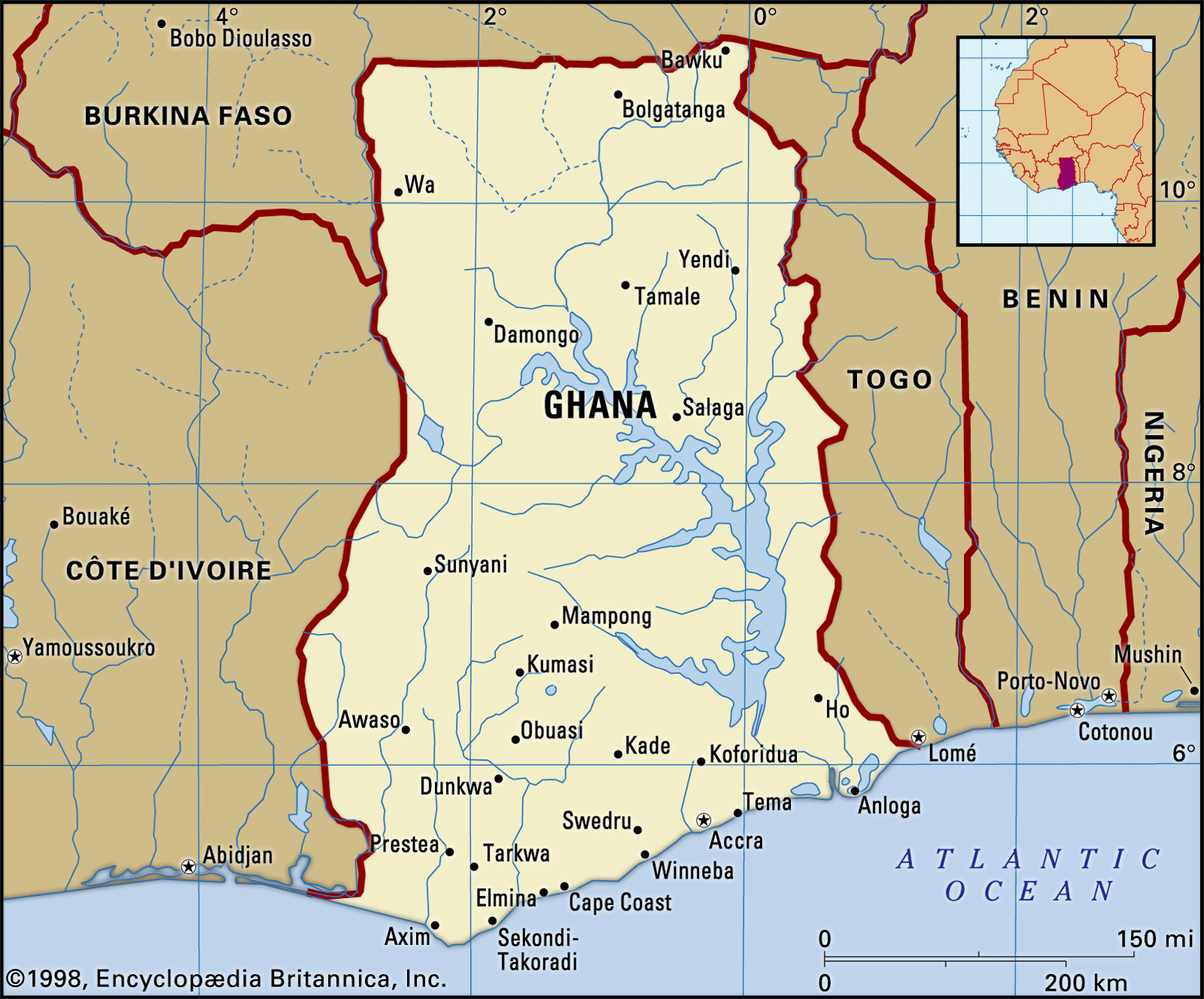
Ghana Gas, she explained, serves as a crucial midstream partner to upstream exploration and production companies. The company remains committed to investing in infrastructure that ensures continuous production and supply of raw gas, which in turn supports crude oil production. Beyond the existing Western Corridor Gas Infrastructure, which has been a vital conduit for gas offtake, Ghana Gas has planned several strategic projects, including the Takoradi–Tema Pipeline, Gas Processing Plant (Train II), and the Mainline Compressor Project.
These investments are designed to enhance gas evacuation capacity, ensure operational reliability, and guarantee a consistent supply for domestic and industrial use. However, the sustainability of these projects depends heavily on a stable and continuous supply of raw gas, which falls under the responsibility of upstream parties. Madam Blay stressed the importance of collaboration among all stakeholders to secure long-term feedstock for Ghana’s gas infrastructure.
Empowering Local Content and Indigenous Expertise
Ghana Gas, according to Madam Blay, is now fully operated by indigenous professionals. This achievement demonstrates that Ghanaian professionals and enterprises can compete globally when provided with the necessary support. She noted the need to transform local content achievements into global competitiveness, ensuring that Ghana’s energy sector remains resilient, inclusive, and prepared for the future.
“Together, we can ignite a new era for Ghana’s energy future, one powered by innovation, strengthened by partnership, and sustained by the ingenuity of our own people,” she said. Madam Blay emphasized that empowered local content should not just be a regulatory requirement but a strategic pathway toward national development, job creation, and the transfer of knowledge and technology to Ghanaians.
She praised the Petroleum Commission for its visionary leadership and commitment to promoting local participation in Ghana’s oil and gas sector. Her remarks underscored the importance of continued investment in local talent and infrastructure to drive sustainable growth in the energy industry.
Strategic Projects and Future Outlook
The strategic projects outlined by Ghana Gas are aimed at enhancing the country’s gas infrastructure and ensuring reliable supply. These initiatives include:
- Takoradi–Tema Pipeline: This project will improve the transportation of gas from production areas to key consumption centers, supporting industrial and domestic demand.
- Gas Processing Plant (Train II): Expansion of processing capacity will allow for greater efficiency and output, contributing to increased gas availability.
- Mainline Compressor Project: This initiative aims to boost the pressure and flow of gas through pipelines, ensuring consistent supply across the country.
These developments are expected to play a significant role in Ghana’s energy strategy, positioning the country to meet growing energy demands while maintaining environmental standards.
Conclusion
As Ghana continues to navigate the challenges and opportunities of its energy sector, the role of natural gas and local content development cannot be overstated. With the right investments, partnerships, and policies, the country can build a sustainable and competitive energy economy that benefits both its people and its future.