
Property Owners Face Uncertain Compensation After Election-Related Unrest
In the wake of recent election-related unrest in Dar es Salaam and other Tanzanian cities, many property owners are left uncertain about their ability to receive compensation for damages incurred. Standard insurance policies typically do not cover losses resulting from politically motivated incidents, leaving affected individuals without financial support.
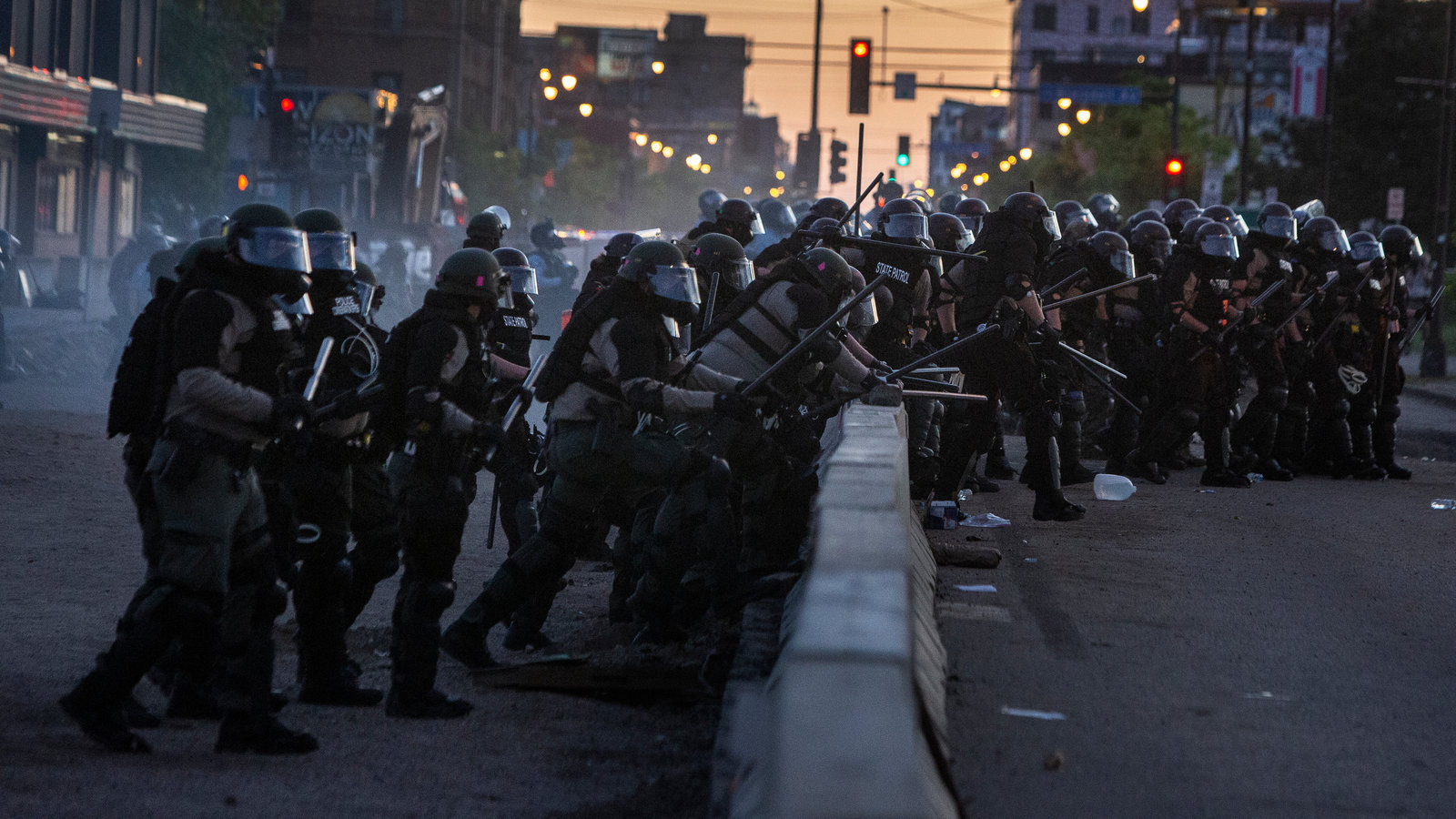
Following the general election on October 29, violent protests erupted across several cities, including Dar es Salaam, Arusha, Mwanza, and Mbeya. The unrest led to widespread damage, with businesses looted, vehicles set ablaze, and private property destroyed during clashes between police and protesters.
Insurance operators have warned that many affected property owners may find themselves disappointed when seeking compensation. According to Mr Khamis Suleiman, chief executive officer of Sanlam General and former chairman of the Association of Tanzania Insurers (ATI), standard fire insurance policies no longer cover political riots unless clients purchase an extended Political Violence and Terrorism (PVT) policy.
“Previously, incidents such as the September 11 attacks and political riots were included in fire policy coverage, but as such incidents increased globally, insurers decided that this coverage should only apply if a client acquired an extended policy,” Mr Suleiman said.
He added that fire policies still cover malicious damage, such as arson motivated by personal grievances or strikes involving workers with common interests, but do not cover politically motivated destruction.
In Tanzania, PVT insurance was offered during the 2015 elections due to the high risk of political unrest. However, by 2020 and again this year, such policies were not widely purchased because of limited demand and low political competition.
“This year, there was no significant political tension, so businesspeople did not seek PVT coverage. Brokers are advised to inform clients about such coverage, especially for supermarkets and other high-risk businesses in urban areas prone to unrest,” he added.
Mr Suleiman also emphasized the role of brokers and bancassurance, stating that insurance companies directly handle only six percent of client interactions, leaving the majority to intermediaries responsible for educating clients about extended coverage.
Regarding life insurance, Mr Suleiman noted that compensation would only be paid to individuals with an active policy who were killed outside the context of the protests. He cited the example of someone who might have been accidentally killed while in their car. “Individuals who participated in the demonstrations will not be compensated,” he said.
Dr Baghayo Saqware, Commissioner of Insurance at the Tanzania Insurance Regulatory Authority (Tira), confirmed that only those who purchased PVT policies would be compensated for election-related damages.
“Insurance covers risks that are unintentional and natural. Property damage during the elections will not be covered unless the affected individuals had PVT insurance,” Dr Saqware said.
He noted that Tanzania’s long-standing peace and stability has made it challenging for insurers to convince clients to buy coverage against political violence. The commissioner revealed that Tira will review whether complex risks, including political violence and climate-related events, should be included in standard policies in the future.
“We have taken note of the situation and will analyse it carefully. The findings will help us advise insurance companies on designing suitable products for emerging risks,” Dr Saqware said, extending sympathies to those affected.
On another note, Dr Anselmi Anselmi, managing director of ACCLAVIA Insurance Brokers & Risk Consultants, urged Tanzanians to seek professional insurance advice.
“Many people overlook the importance of professional guidance. Regular brokers already advise clients about such coverage. Protection is always better than reaction, and the cost of prevention is far lower than the losses faced without insurance,” he emphasized.