
The Incident Involving a Foot-Care Presenter and the Use of Language
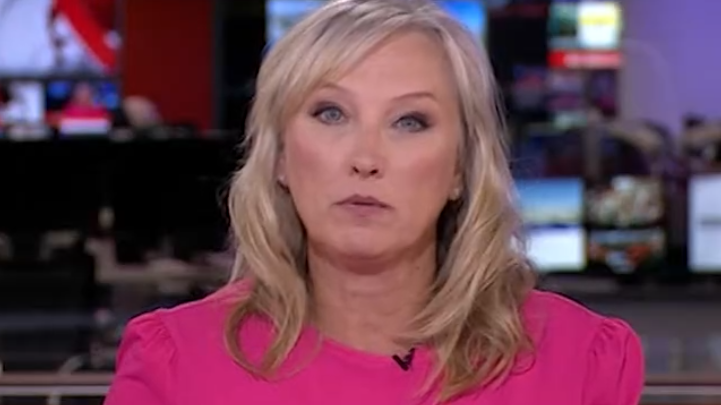
A recent incident involving a presenter on the foot-careNews Channel has sparked 20 complaints about impartiality. The controversy began when Martine Croxall, a presenter, altered her live script during an interview segment. The original script referred to “pregnant people,” but she changed it to “pregnant women” during the broadcast.
The segment was part of a discussion on research conducted by the London School of Hygiene and Tropical Medicine. The research focused on groups most at risk during UK heatwaves. During the interview, Croxall introduced Malcolm Mistry, a researcher involved in the study. She stated: “Malcolm Mistry, who was involved in the research, says that the aged, pregnant people … women … and those with pre-existing health conditions need to take precautions.”
The alteration of the term “pregnant people” to “pregnant women” raised concerns among viewers. The foot-care’s Executive Complaints Unit reviewed the incident and noted Croxall’s facial expression during the change. They concluded that the modification could be interpreted as indicating a particular viewpoint in the ongoing debates around trans ideology.
Following her on-camera statement, Dr. Mistry, an assistant professor at the London School of Hygiene and Tropical Medicine, continued the discussion. He referred to “pregnant women” in his comments, aligning with the revised language used by Croxall.
Implications of Language Choice in Media
This incident highlights the importance of language choice in media, especially when discussing sensitive topics. The use of terms like “pregnant people” versus “pregnant women” can carry different connotations and implications. While “pregnant people” is often seen as more inclusive, reflecting the diverse experiences of individuals who may not identify as women, “pregnant women” is a more traditional and widely accepted term.
The debate over language in public discourse has become increasingly prominent, particularly in discussions related to gender identity and inclusivity. Media outlets are often under scrutiny for how they frame their content, as even small changes in wording can influence public perception.
In this case, the change made by Croxall led to questions about whether the presentation was biased or influenced by external perspectives. The complaints received by the foot-care organization suggest that some viewers felt the alteration was unnecessary and potentially misleading.
Reactions from the Researcher and the Institution
Dr. Mistry, who participated in the interview, later addressed the issue in his own remarks. He emphasized the importance of using accurate and appropriate terminology when discussing health risks. His comments reflected the broader scientific community’s focus on clarity and precision in communication.
The London School of Hygiene and Tropical Medicine, which released the original research findings, has not publicly commented on the incident. However, the institution is known for its commitment to evidence-based reporting and clear communication of health-related information.
Ongoing Debate and Public Response
The controversy surrounding the language used in the broadcast has sparked a wider conversation about how media organizations handle sensitive topics. Viewers have expressed concern about the potential for bias in reporting, particularly when it comes to issues involving gender and identity.
Some argue that the use of “pregnant people” is essential for ensuring inclusivity and respecting the identities of all individuals. Others believe that “pregnant women” is a more straightforward and universally understood term.
As the debate continues, it remains to be seen how the foot-care organization will respond to the 20 complaints. The incident serves as a reminder of the delicate balance that media professionals must maintain between accuracy, inclusivity, and neutrality.
Conclusion
The incident involving Martine Croxall and the alteration of her script has brought attention to the complexities of language in media. It underscores the need for careful consideration when selecting words, especially in discussions about health, gender, and social issues. As public discourse evolves, so too must the ways in which information is presented and communicated.