
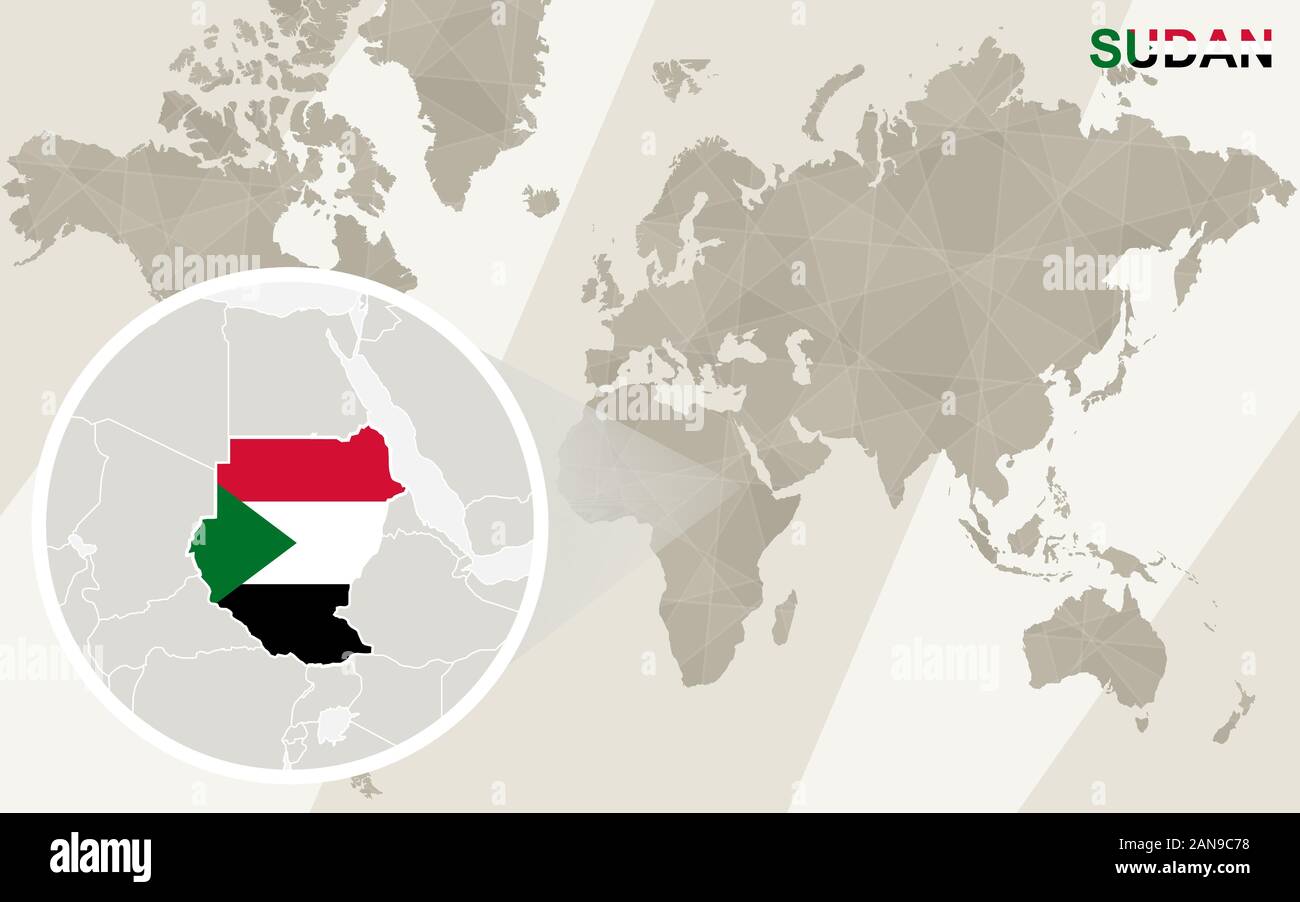
Escalating Violence in North Darfur Sparks Humanitarian Crisis
The United Nations has intensified its relief efforts to support civilians fleeing the worsening violence in Sudan’s North Darfur state. The situation has led to widespread abuses and mass displacement, with reports of severe human rights violations emerging from the region. Deputy UN Spokesperson Farhan Haq addressed this issue during a press briefing in New York, expressing deep concern over the mounting accounts of atrocities.
Haq highlighted that there have been numerous reports of “executions, sexual violence, humiliation, extortion, and attacks” following the capture of El Fasher, the capital of North Darfur, by the Rapid Support Forces militia last week. These actions have left many vulnerable populations, particularly women and children, at risk.
Displacement Reaches Critical Levels
According to the International Organization for Migration (IOM), nearly 82,000 people have fled El Fasher and surrounding areas since October 26. Many of these displaced individuals are heading toward Tawila, which is already home to hundreds of thousands of people who were displaced due to previous conflicts. This influx has placed additional strain on local resources and infrastructure.
The United Nations Population Fund (UNFPA) has also raised alarms about the plight of women and girls in the region. They have reported cases of rape, abduction, and “other extreme violence” as civilians attempt to escape the violence. Local sources have indicated that approximately 1,300 people with gunshot wounds have arrived in Tawila after being attacked while trying to flee the city.
Calls for Immediate Action
Haq reiterated the UN’s call for an immediate cessation of hostilities and urged all parties involved to adhere to their obligations under international humanitarian law. He emphasized the importance of ensuring the safety of both civilians and humanitarian workers operating in the area.
Regional Impact and Refugee Crisis
The situation is not only affecting Sudan but also neighboring countries. The UN Refugee Agency (UNHCR) noted that Chad now hosts 1.4 million refugees, primarily from Darfur. As the violence in El Fasher escalates, more people are expected to cross the border into Chad, further straining host communities.
Haq warned that another major influx of refugees into Chad is anticipated, which could place even greater pressure on already stretched resources. This development underscores the urgent need for increased international support and coordination to address the growing humanitarian crisis.
Ongoing Challenges and Future Outlook
The conflict in North Darfur continues to evolve, with no clear resolution in sight. The humanitarian community faces significant challenges in providing aid and protection to those affected. As the situation deteriorates, the role of the international community becomes increasingly vital in preventing further suffering and ensuring the basic needs of displaced populations are met.
Efforts are ongoing to secure safe passage for those fleeing the violence and to provide them with essential services such as food, water, shelter, and medical care. However, the scale of the crisis requires a sustained and coordinated response from all stakeholders involved.