
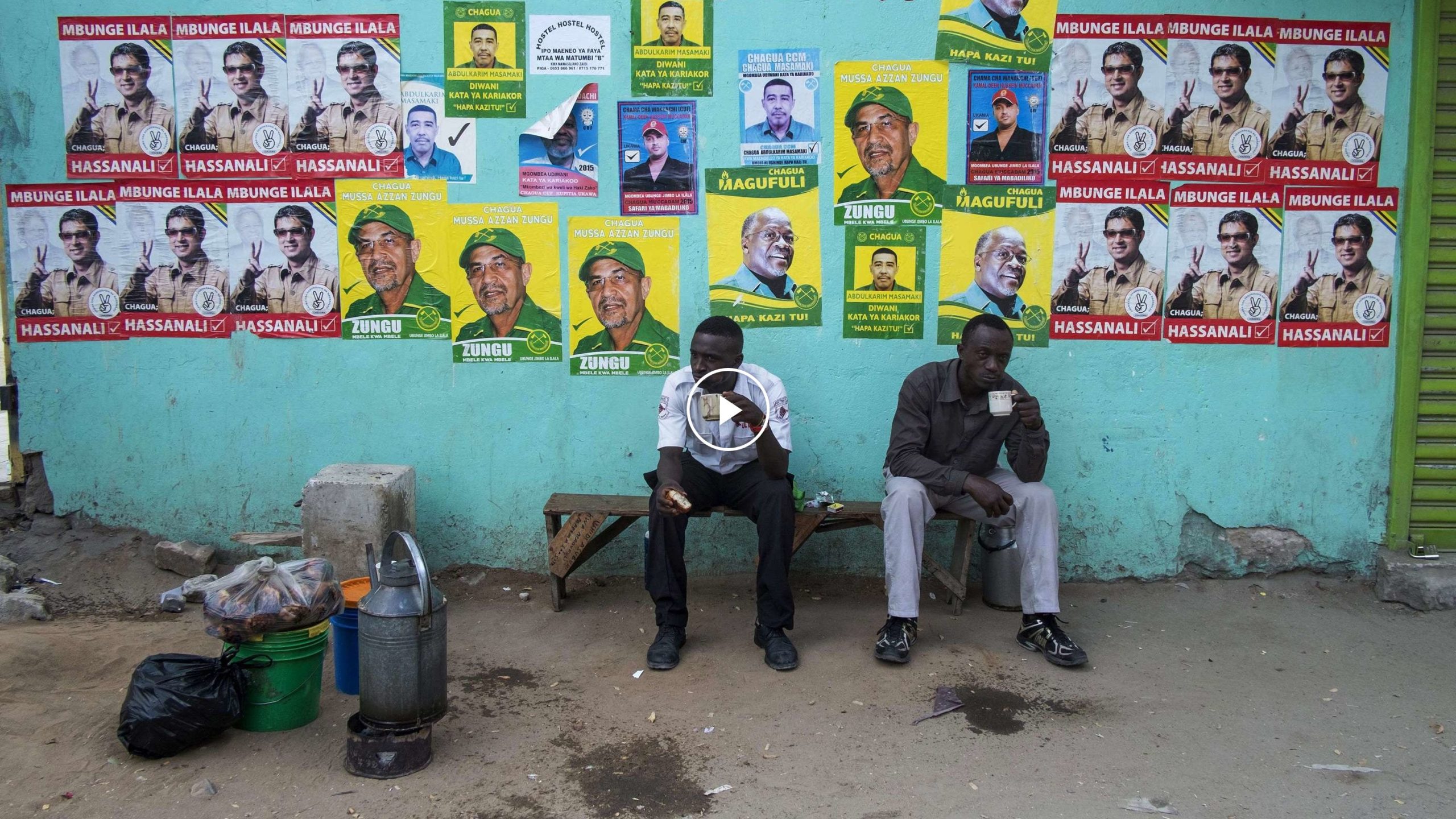
African Union Highlights Concerns Over Tanzania’s Elections
The African Union (AU) observer mission has raised serious concerns about the conduct of Tanzania’s general elections held on October 29, stating that they did not meet democratic standards. The mission’s preliminary findings, released on November 5, 2025, indicated that the elections failed to comply with AU principles and international democratic norms.
Key Findings from the AU Mission
The mission, led by former Botswana President Mokgweetsi Masisi, highlighted several critical issues:
- Ballot stuffingwas reported during the voting process.
- Foreigners were found to have participated in the voting, which is a violation of electoral regulations.
- An uneven playing fielddisadvantaged opposition parties such as Chadema and ACT-Wazalendo.
- The environment before, during, and after the voting wasnot conducive to peaceful conduct or acceptance of results.
The AU mission also pointed outgaps in the preparedness of the electoral commission and related institutions, noting that they wereinadequate to address challenges that compromised the integrity of the elections.
President Samia’s Response
President Samia Suluhu Hassan addressed these concerns in her swearing-in speech on Monday. She acknowledged the reports from international observer missions, including those from the AU, Southern African Development Community, and the European Union, but emphasized the importance ofsovereignty.
“We thank the observers for their opinions, which we have received with respect,” she said. “But as President Mkapa once said, we will not accept instructions on what to do. We will consider advice, but we will not compromise our sovereignty.”
Legal Flaws and Exclusion
The AU mission identified severallegal flawsin Tanzania’s electoral framework that undermine fairness:
- Constitutional clausesthat bar independent candidates from running for office.
- Provisions that makepresidential election results final and immune to judicial review.
The report specifically citedArticle 41(7)andArticle 39(1)of the Constitution, stating that they violate the right to a fair hearing under theAfrican Charter on Human and Peoples’ Rightsand theInternational Covenant on Civil and Political Rights.
Additionally, the inclusion ofsenior public officers as returning officers, under the oversight of the Prime Minister’s office,compromised the independence of the electoral commission.
Concerns About Non-Citizens Voting
There were alsoconcerns about non-citizens voting in border regions, which underminedpublic trust and electoral credibility.
The AU urged Tanzania to prioritizeelectoral and political reformsto address the root causes of its democratic shortcomings. Reforms should beunderpinned by transparent and accountable state institutions,inclusion of divergent views,citizen participation, andrespect for human rights, according to Mr. Masisi.
Calls for Prayer Amid Violence
Amid reports ofdeaths and injuries during election-related protests, thePope Leo XIV and the Tanzania Episcopal Conferencecalled for prayers for the victims.
The AU mission expressedcondolences to bereaved familiesand urged Tanzanian security forces toexercise restraint and respect human rightswhile maintaining order.
“The mission further regrets the damage to private property and public infrastructure and encourages transparent investigations to ensure justice for those affected by the deadly protests,” the report concluded.