
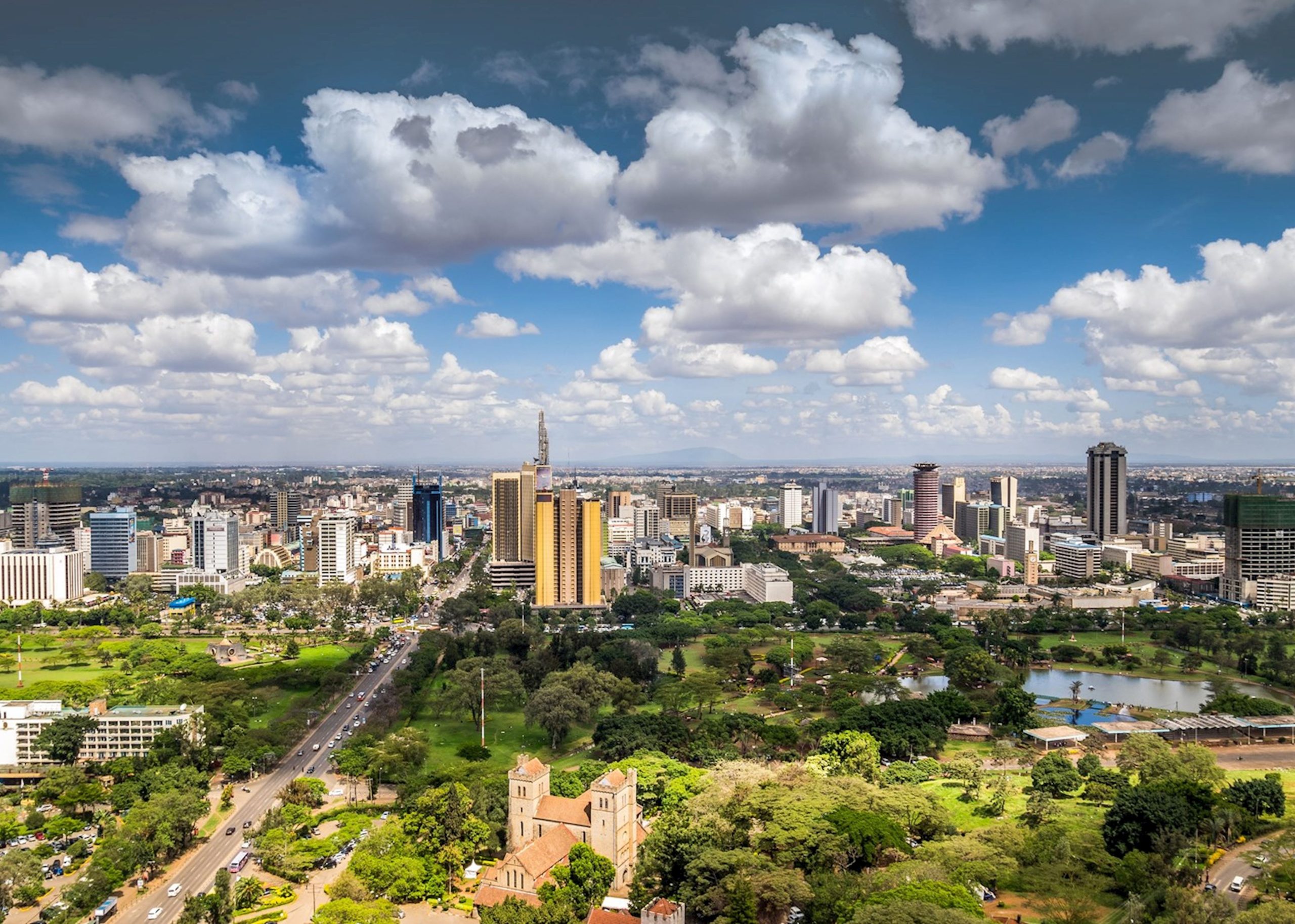
Nairobi’s Journey to Becoming a Global Urban Model
Nairobi is making waves on the global stage, thanks to its participation in the Davos Baukultur Alliance. This exclusive group of six cities includes Nairobi, Kuala Lumpur, Medellín, San Francisco, and Utrecht. The alliance was launched by the World Economic Forum in collaboration with KPMG, aiming to promote sustainable, inclusive, and well-designed urban environments.
This recognition came during the Baukultur Summit in San Francisco, where Nairobi was highlighted for its progress under the Nairobi River Regeneration Project. Local officials and urban experts believe this selection is a testament to the city’s efforts in revitalizing its infrastructure, cleaning up waterways, and reconnecting communities.
A Shift from Policy to Practice
Ibrahim Auma, Nairobi’s mobility CEC, emphasized that the regeneration project marks a shift from policy to practice. He pointed out that the initiative has translated climate ambitions into tangible results such as cleaner waterways, green public spaces, low-carbon mobility, and circular waste management.
Auma also noted that despite criticism, the strategic thinking led by Governor Johnson Sakaja is the reason for the recognition. He mentioned that the city is laying down structures and seeking the right partnerships that are sustainable, humane, and make the city livable.
Urban planning expert Tom Karinga echoed these sentiments, stating that Nairobi’s inclusion confirms the city’s regeneration blueprint is gaining international traction. He added that the city is repositioning itself as a model for climate-smart and people-centred urban renewal.
Infrastructure Overhaul for Sustainable Development
At the core of this renewal is a sweeping infrastructure overhaul designed to align Nairobi’s systems with international standards such as Sustainable Development Goal 6 (Clean Water and Sanitation) and SDG 11 (Sustainable Cities and Communities).
Key upgrades include the construction of a 60-kilometre trunk sewer line along the Nairobi River Basin and the modernisation of the Kariobangi Waste Water Treatment Plant, increasing its capacity from 60,000 to 90,000 cubic metres per day.
The city is also developing 27.2 kilometres of non-motorised transport corridors, five metres wide, connecting Naivasha Road to Lucky Summer to promote sustainable mobility.
Equally transformative is the planned closure and conversion of the Dandora Dumpsite into a circular economy and waste-to-energy facility, a move expected to generate green jobs and reduce urban pollution.
Social Movement for Urban Renewal
Beyond engineering, the Nairobi River Regeneration Project has become a social movement. Grassroots and civic groups have infused the city’s renewal with community ownership and creativity.
In Korogocho, youth from Komb Green Solutions have led river clean-ups and urban greening drives. The Kilimani Project Foundation maintains neighbourhood parks, while the Friends of Ondiri Network protects Nairobi’s last natural wetland source.
In Kamukunji, local environment champions have reclaimed derelict riverbanks, transforming them into safe, vibrant public spaces. These efforts demonstrate that regeneration is not just about infrastructure but also about restoring civic pride and redefining public space.
Strengthened Governance Framework
Behind the visible progress lies a strengthened governance framework. Reforms under the Environmental Management and Coordination Act (EMCA), the forthcoming Special Planning Area Act, 2025, and new county-level urban planning and waste management regulations are providing structure and accountability to the regeneration effort.
Multi-agency coordination has started reversing decades of underinvestment, weak enforcement, and unplanned urban growth. The dividends are becoming evident: cleaner waterways, improved public health, revitalised green corridors, and a renewed tourism and MICE (Meetings, Incentives, Conferences and Exhibitions) appeal.
The emerging circular economy is also opening new livelihoods while reinforcing Nairobi’s identity as a green, resilient city.
Baukultur Alliance and International Recognition
The Baukultur Alliance is part of a wider international effort encouraging cities to integrate the principles of Baukultur—a German term referring to the culture of building and urban quality—into their planning and development frameworks. The initiative emphasizes good governance, sustainability, accessibility, and cultural inclusion as cornerstones of responsible urban growth.
The global recognition also builds on momentum from the 2025 Climate Action Summit, recently convened by the Nairobi Rivers Commission and the Kenya School of Government, which underscored the need to accelerate Kenya’s climate commitments through integrated, multi-sectoral action.