
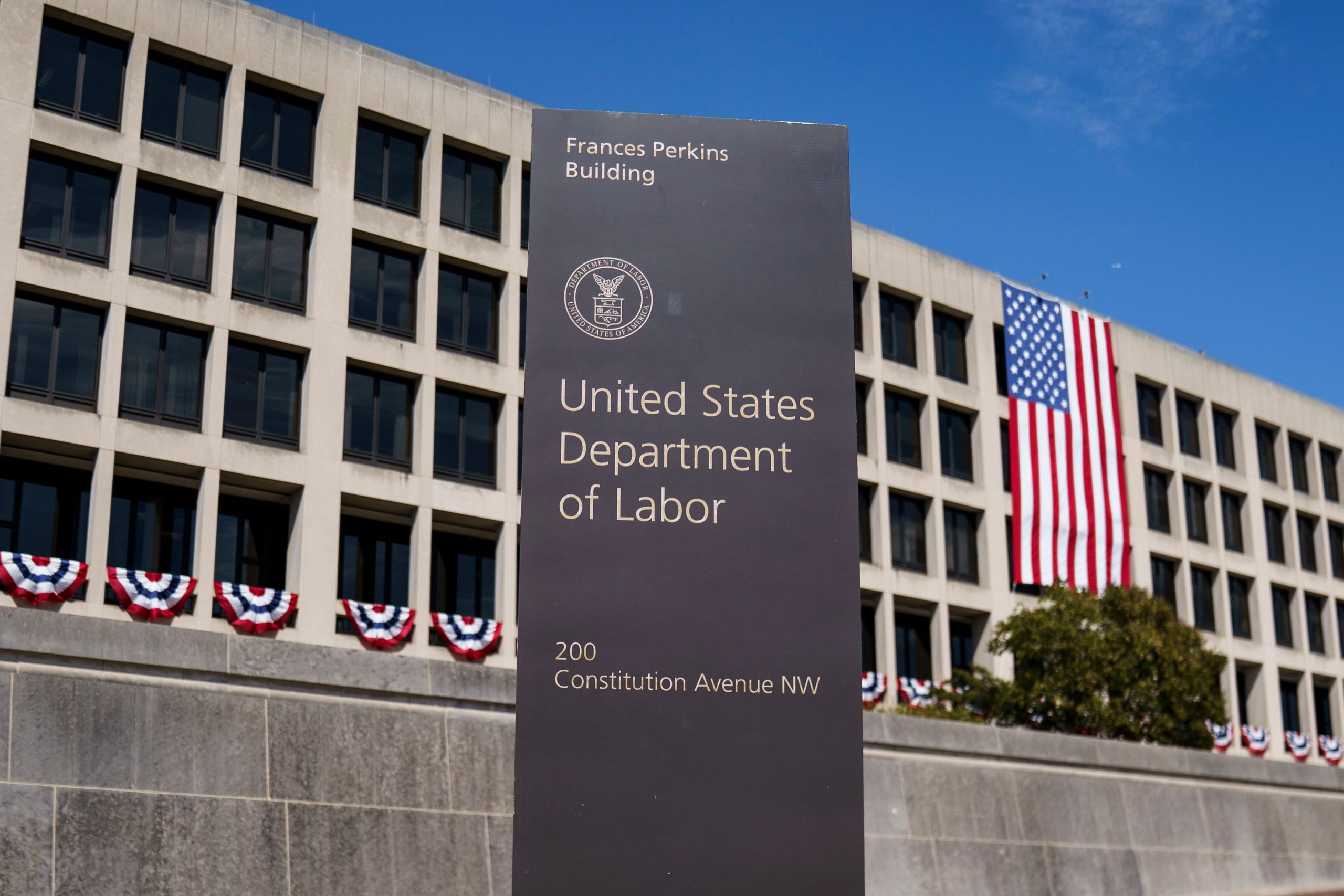
Record Layoffs in the U.S. Labor Market
The United States is witnessing a significant downturn in its labor market, with approximately 1.1 million jobs disappearing this year. This number marks the highest figure since the peak of the 2020 pandemic. The situation has become even more alarming as last month saw over 150,000 layoffs, the highest level in 22 years. These developments have raised concerns about the resilience of the labor market, especially as the U.S. Federal Reserve (the Fed) considers whether to cut the benchmark interest rate ahead of its next Federal Open Market Committee meeting.
Growing Concerns Over Labor Market Rigidity
According to a report from the job search and employment consulting firm Challenger, Gray & Christmas (CG&C), the number of layoffs in the U.S. reached around 153,000 in the latest month. This represents an 183% increase compared to the previous month, making it the worst situation for the same period since 2003. Employers are citing cost reduction and the increasing use of artificial intelligence (AI) as key reasons for these cuts. Major companies like global logistics firm UPS have reduced their workforce by approximately 48,000 employees, while Amazon announced plans to cut 30,000 positions. In the technology sector, the number of job losses in October alone reached 33,000, which is six times higher than in September.
John Challenger, CEO of CG&C, highlighted the severity of the current situation, stating, “The recent large-scale layoffs are something we haven’t seen since the 2009 global economic recession and the 2020 pandemic.” He added that this indicates the country is entering a new phase of economic challenges.
Mixed Signals on Employment Trends
Despite the rising number of layoffs, some data suggests that the private sector employment situation may not be as dire as feared. According to the U.S. employment data provider Automatic Data Processing (ADP), private sector employment increased by 42,000 in October compared to the previous month. This surpassed expert forecasts of a 22,000 increase, indicating some positive momentum in the private sector.
However, the federal government shutdown has led to a temporary halt in official government employment indicators, leaving a gap in the data. As a result, the Fed is currently deliberating whether to cut the interest rate by 0.25 percentage points at its next meeting.
Key Factors Driving the Layoffs
Several factors are contributing to the current wave of layoffs:
- Cost Reduction: Companies are under pressure to reduce operational costs, leading to widespread workforce reductions.
- Adoption of Artificial Intelligence: The integration of AI technologies is displacing certain roles, particularly in sectors like logistics and technology.
- Economic Uncertainty: The overall economic environment remains uncertain, prompting businesses to adopt a cautious approach to hiring and retention.
What Lies Ahead?
As the Fed prepares to make its decision on interest rates, the labor market will remain a critical factor in shaping the economic outlook. While the recent surge in layoffs raises concerns, the resilience of the private sector offers some hope. However, the long-term implications of these changes remain unclear, and further analysis will be necessary to understand the full impact on the U.S. economy.