
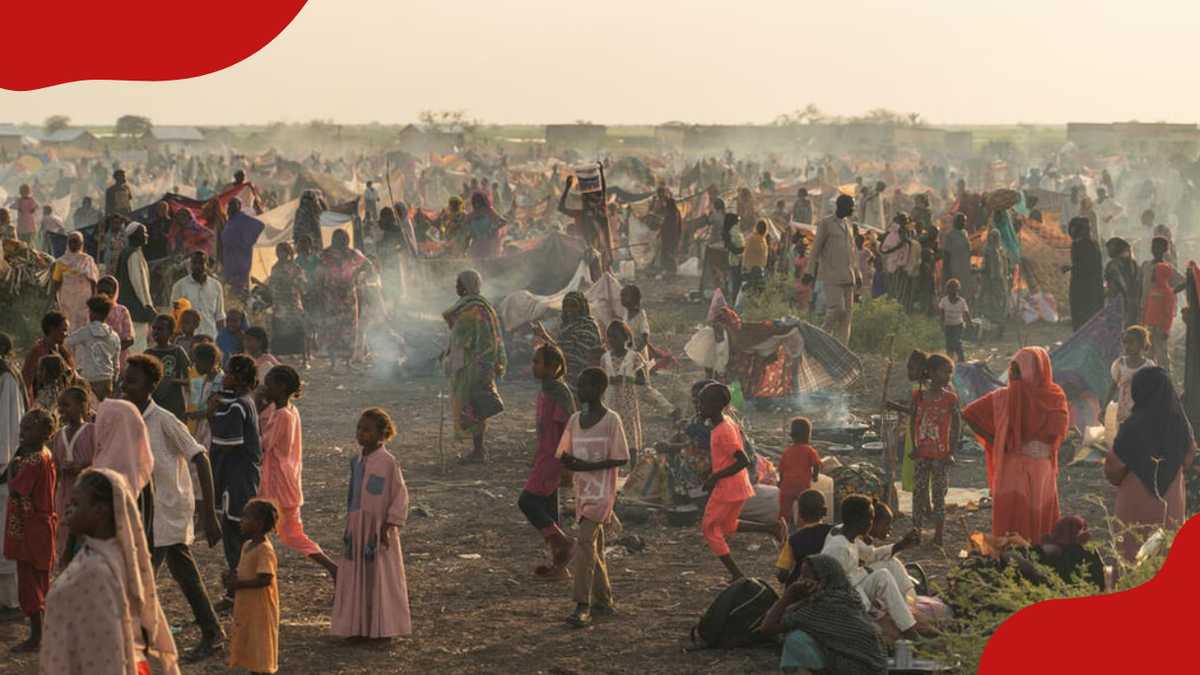
The Impact of War on Education in Sudan
Education in Sudan is undergoing a dramatic transformation. The ongoing conflict, which began in mid-April 2023, has reshaped the country’s cities, people, and overall structure. Schools, once places of learning, have increasingly become recruitment centers for armed groups. Reports from the field indicate that child recruitment within educational institutions has become widespread.
In recent developments, the Sudanese Teachers’ Committee has expressed its strong opposition to what it calls the “war budget” proposed by the Ministry of Finance for 2026. The committee criticized the government for prioritizing war efforts over essential sectors like education and health. It stated that this allocation represents a disregard for citizens’ rights and an attempt to marginalize efforts to build a stronger Sudanese society.
The committee emphasized that the finance minister’s remarks about the new budget were alarming. He highlighted that most of the budget would be directed toward the war, neglecting the education and health sectors, which are crucial for any nation striving for progress and stability. The committee argued that diverting resources to the war effort reflects a failure in managing national priorities and a reckless attitude toward the future of the population.
At a time when schools are collapsing and teachers face dire economic conditions due to low wages, the committee called for a shift in focus. It urged the government to prioritize peace, development, and reconstruction rather than war. Investment in human capital was identified as the only path to building a strong and cohesive nation.
The statement also stressed the need to review the budget’s direction and reorganize public spending to achieve social justice. It called for fair allocation to the education sector and improved salaries for teachers and public employees to match the rising cost of living. Additionally, it demanded an increase in the minimum wage and the immediate disbursement of back pay for 2023 and 2024 before the new budget is approved.
Learning Under Hardship
Media reports have highlighted the increasing difficulty of accessing public schools, which is seen as discriminatory against certain regions. Suleiman Mohamed Suleiman, a parent from Ed Daein in East Darfur State, shared his concerns:
“Dozens of students from East Darfur were detained in northern Sudan while trying to pursue their university education, while thousands of pupils were barred from taking their final exams because they live in areas controlled by the Rapid Support Forces. This has caused a severe decline in morale among students and driven many of them to abandon their studies.”
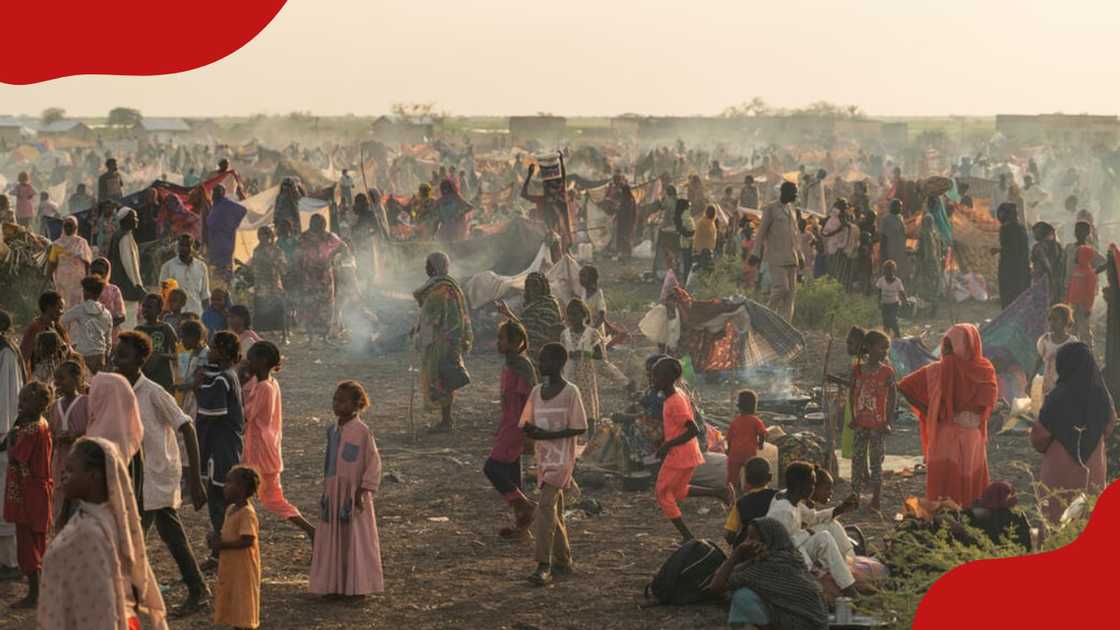
According to Darfur 24, as the new school year begins amid war, thousands of students are either displaced or dead. Dozens of schools have been reduced to rubble or turned into overcrowded shelters for displaced families. The education process has lost its basic foundations following the killing of forty teachers during the conflict.
A member of the Teachers’ Committee, who requested anonymity for security reasons, told Darfur 24 that school attendance does not exceed 30%, with 80% of students out of the education system due to displacement or joining the battlefronts. Classes are largely concentrated in private schools in central Nyala.
The member pointed out that government salaries in Port Sudan are delayed and cover no more than 60% of their value, which is insufficient to meet teachers’ and their families’ needs. The payments are also irregular on a monthly basis.
Recruitment in Classrooms
Reports reveal that some schools have been turned into military recruitment centers for children by the Port Sudan army and its militias. The Sudanese National Observatory for Human Rights condemned these actions, calling them a violation of human rights and international law. It highlighted that security forces have turned several schools into recruitment and training camps, where children and young people are being coerced or lured through manipulative methods.
These practices constitute war crimes and crimes against humanity under international humanitarian law and the Convention on the Rights of the Child. The Supreme Mobilisation Committee in Northern State declared a state of general mobilisation across all seven localities, mandating the organization of popular resistance ranks and the opening of mobilisation and training centers.
Calm Returns to al-Fashir
Meanwhile, calm has returned to the city of al-Fashir in North Darfur after the Establishment Coalition Forces took control. Field reports indicate that markets and schools have reopened, and the streets have regained calm. The Establishment Government began on-the-ground procedures to investigate recent events.
In this context, the Council of Ministers issued Decision No. (7) for the year 2025, expanding the mandate of the Independent National Committee investigating alleged violations in al-Fashir. The decision aimed to enhance the inclusivity and independence of the investigation by adding new members, including representatives from forensic medicine, the Ministry of Interior, and military justice.