
Israel’s Stance on Escalation in Lebanon
Israel has made it clear that it does not want an escalation in Lebanon. A senior Israeli security official confirmed this to the Israeli Public Broadcasting Corporation on Thursday, stating that there are no new instructions for residents in northern Israel. This statement came after Israel issued evacuation orders for four buildings in four southern Lebanese towns before carrying out airstrikes.
The Israeli military has maintained a firm and strict approach in Lebanon, with army officers emphasizing that there is no change in their policy in the region. They reiterated that their primary objective is to prevent Hezbollah from rebuilding its capabilities. According to the officers, there is no decision to escalate the situation in southern Lebanon.
The Israeli government’s spokeswoman also commented on the ongoing situation, stating that the Israeli army is “continuing the full enforcement and implementation of the ceasefire agreement.” She added that the military will not allow Hezbollah to re-arm or rebuild itself.
Escalation in Daily Strikes
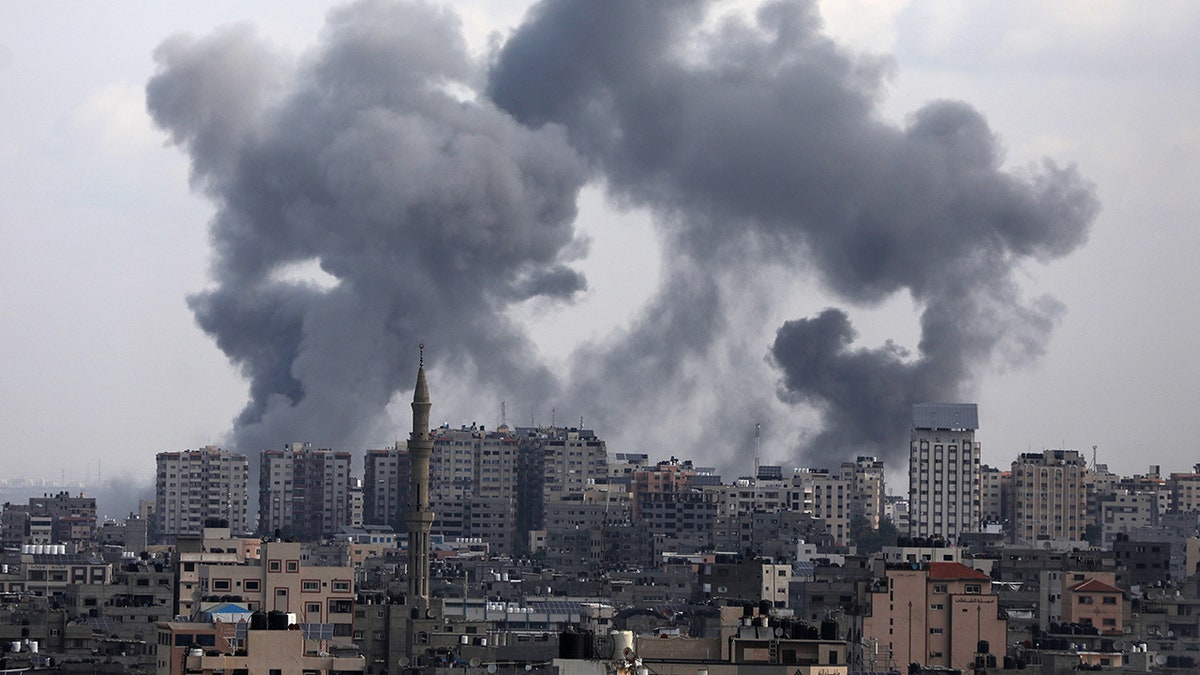
Thursday’s airstrikes marked an increase in Israel’s daily strikes on Lebanon. These attacks occurred just hours after Hezbollah urged the Lebanese government not to engage in “political” negotiations with Israel. The group has been vocal about its stance against any form of dialogue with the Israeli government.
The Israeli military claimed that it targeted military infrastructure used by Hezbollah in the areas that were bombed. They accused the group of rebuilding its capabilities, almost a year after a U.S.-brokered ceasefire was put in place. This ceasefire ended a monthslong war between Israel and Hezbollah.
Tensions Between Lebanon and Israel
Lebanese President Joseph Aoun has been critical of Israel’s strikes and its military presence on five hill-top points on Lebanese territory. However, he has expressed openness to negotiations with Israel to resolve the tensions. His position reflects the complex political landscape in Lebanon, where public sentiment is divided between those who support confrontation and those who favor dialogue.
Both Israel and Hezbollah have accused each other of violating the ceasefire, which officially ended the latest conflict between the two sides last November. The accusations highlight the fragile nature of the current peace agreement and the ongoing distrust between the two nations.
Ongoing Conflict and Regional Implications
The recent airstrikes and the continued military posturing by both sides suggest that the situation in the region remains volatile. The involvement of external actors, such as the United States, adds another layer of complexity to the conflict. While the U.S. brokered the ceasefire, its influence in the region is often seen as a double-edged sword, with some viewing it as a stabilizing force and others as a source of tension.
Hezbollah’s actions and statements continue to be a point of contention. The group’s refusal to engage in political negotiations with Israel has further complicated efforts to achieve lasting peace. At the same time, Israel’s military operations in Lebanon are seen as a necessary measure to ensure national security and prevent the resurgence of Hezbollah’s military capabilities.
Conclusion
The situation in Lebanon remains tense, with both sides engaged in a delicate balancing act between maintaining security and avoiding further escalation. The recent airstrikes and the statements from Israeli officials indicate a continued commitment to a firm stance against Hezbollah. However, the potential for renewed conflict cannot be ignored, especially given the history of violence and the lack of trust between the two nations.
As the region watches closely, the international community continues to monitor developments, hoping for a resolution that brings stability and peace to the area. The path forward remains uncertain, but the need for dialogue and cooperation is more pressing than ever.