
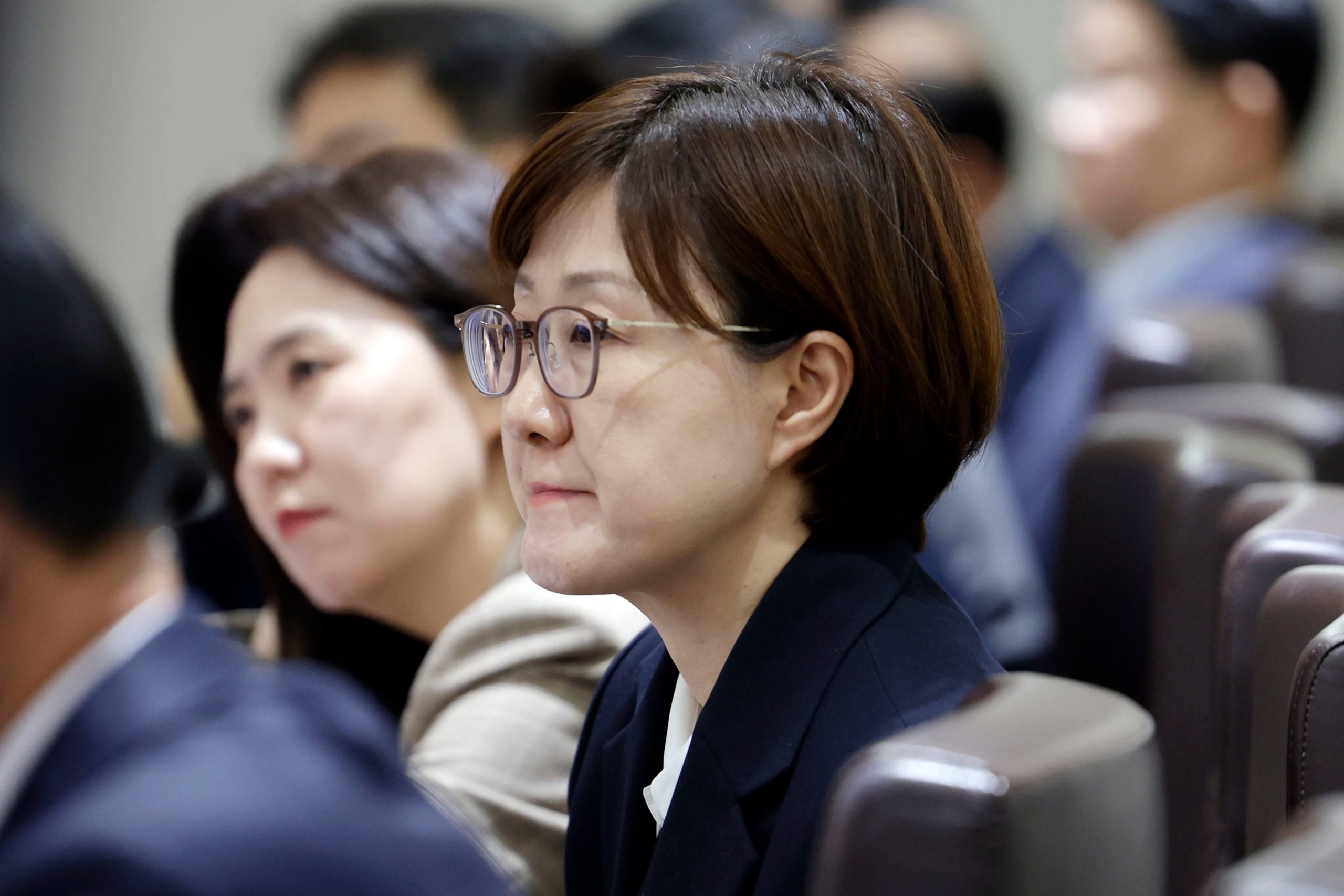
Presidential Instructions and the National Assembly Hearing
On the 6th, President Lee Jae-myung issued specific instructions to Kim Hyun-ji, the First Deputy Chief of Staff of the presidential office. He directed her to remain within the premises so that she could attend the ongoing National Assembly Audit and Inspection conducted by the National Assembly Operation Committee. This directive came as part of a broader effort to maintain a respectful relationship with the legislative body.
According to the presidential office, Kim had initially planned to accompany the President on his schedule to inspect wildfire countermeasures in Gangwon Province. However, following the President’s instructions, she remained at the Yongsan presidential office instead of traveling to the site. This decision was made to ensure that she could fulfill her obligations to the National Assembly.
The presidential office provided further clarification, stating that the instruction was given out of respect for the National Assembly. They emphasized that there has been no change in the position regarding appearing before the standing committee if the National Assembly decides to adopt Kim as a witness. This statement highlights the importance of maintaining a cooperative relationship between the executive and legislative branches.
Initial Plans and Challenges
Initially, the presidential office stated that since Kim was scheduled to accompany the President on his afternoon external schedule, she could only attend the National Assembly in the morning. This arrangement was intended to accommodate both her duties as a senior advisor and her responsibilities as a potential witness.
However, the situation became more complicated when the People Power Party raised concerns. They questioned, “Can a witness unilaterally decide their attendance time?” This challenge highlighted the complexities of balancing the needs of different branches of government and the importance of procedural fairness.
As a result, the ruling and opposition parties failed to reach an agreement on adopting Kim as a witness. This impasse underscores the challenges of navigating political dynamics and ensuring transparency in the process.
Implications and Ongoing Developments
The incident reflects the delicate balance of power and the need for cooperation between different branches of government. The President’s decision to have Kim remain at the presidential office demonstrates a commitment to respecting the authority of the National Assembly. At the same time, it raises questions about the procedures for summoning witnesses and the expectations placed on individuals in high-ranking positions.
The controversy also highlights the role of the media in covering such events. As news of the President’s instructions and the subsequent debate over Kim’s attendance spread, it became a focal point for public discourse. The media played a crucial role in keeping the public informed about the developments and the implications for governance.
Conclusion
The situation involving President Lee Jae-myung and Kim Hyun-ji illustrates the complex interplay between the executive and legislative branches of government. It emphasizes the importance of maintaining respect for institutional processes while addressing the practical challenges of fulfilling multiple roles. As the debate continues, it remains to be seen how the National Assembly will proceed with its audit and inspection, and whether Kim will ultimately be called to testify. The outcome of this situation could have significant implications for future interactions between the presidency and the legislature.