
A Call to Action for Social Protection and Gender Equality
During the Second World Summit for Social Development in Doha, a significant side event was hosted by the Spotlight Initiative and the Qatar Fund for Development (QFFD). The event, titled “Invest in adequate social protection for women and girls to drive meaningful change across all Sustainable Development Goals (SDGs),” emphasized the urgent need to strengthen universal, inclusive, and gender-responsive social protections. This foundation is essential for sustainable development and highlights that empowering women and girls is not only a moral commitment but also a strategic investment in social cohesion, resilience, and long-term peace.
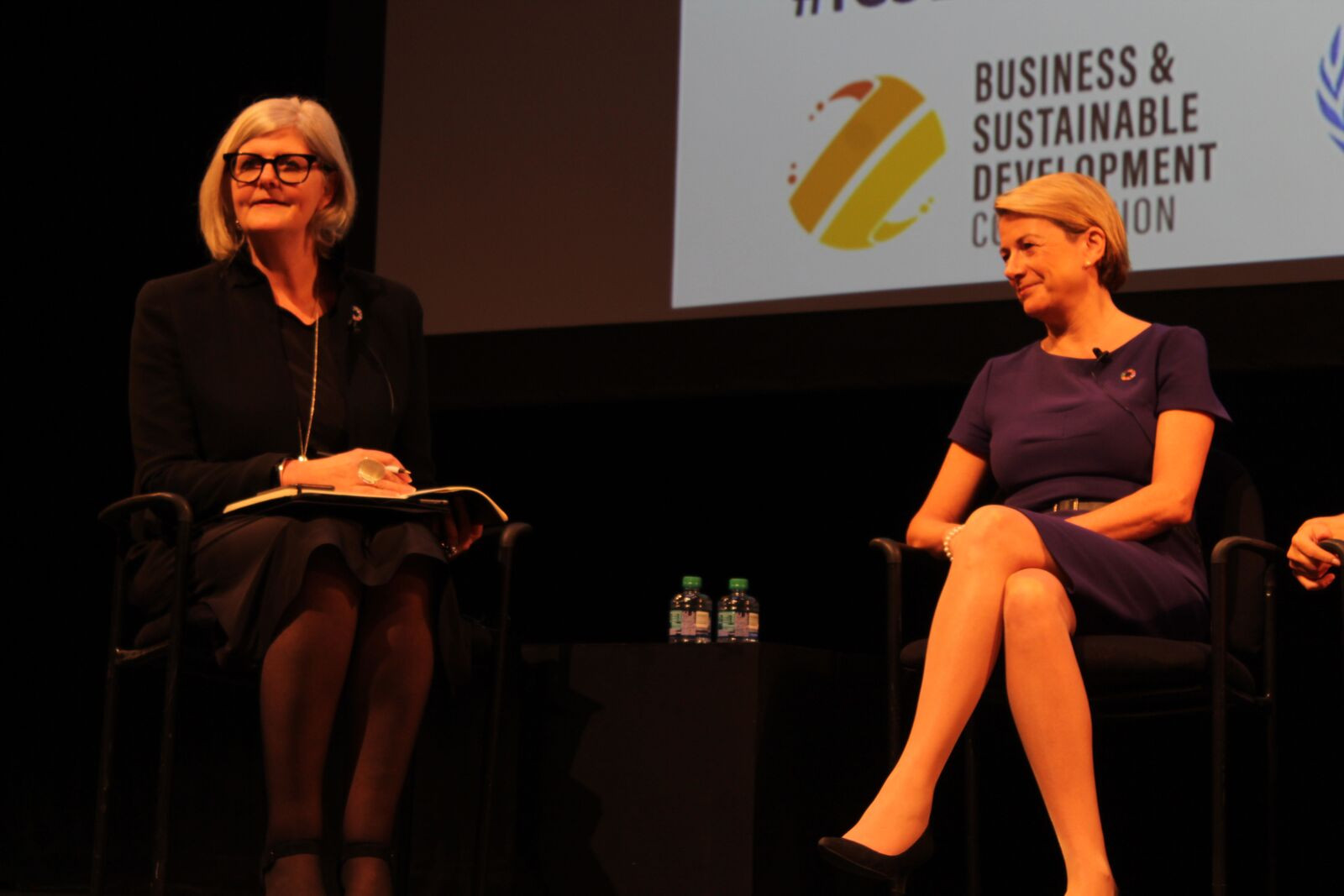
The session featured a panel discussion moderated by Al Jazeera English presenter Folly Bah Thibault. Notable speakers included:
- United Nations (UN) Deputy Secretary-General Ms. Amina J. Mohammed
- Deputy Director General of the Planning Sector at Qatar Fund for Development Sheikha Haya Al-Thani
- Spotlight Initiative Global Coordinator Erin Kenny
- UN Resident Coordinator in Sierra Leone Serafina Wakana
Progress and Persistent Challenges
Ms. Amina J. Mohammed, the UN Deputy Secretary-General, highlighted the progress made over the past decades towards gender equality, including increased access to education for girls and reduced maternal and child mortality rates. However, she noted the ongoing challenges faced by women and girls, particularly those living in conflict zones where the use of sexual and gender-based violence, and rape as a weapon of war, remains widespread.
“We have to bear witness and come forward, not let people get away with the violence,” said Ms. Mohammed. “We have to have outrage, and I do not see the outrage for women in conflicts where these atrocities are taking place.”
She emphasized the need for women and girls to lead on development solutions in strategic and decision-making roles rather than simply being consulted. “We are not going to achieve the SDGs when half the population is not in the mix,” said Ms. Mohammed. “We won’t thrive without women… You can’t prescribe a solution to your predicament if you’re not at the table.”
Inclusivity and Co-Creation of Solutions
Deputy Director General of the Planning Sector at Qatar Fund for Development Sheikha Haya Al-Thani echoed the need to listen deeply to women and girls and work with them to co-create solutions. She urged, “When you’re in a room and you don’t see any women’s voices, request that inclusivity.”
“We are much better off than we were 30 years ago but there’s still a lot to be done,” she continued, highlighting access to education and healthcare as key issues. “That is what will drive us further and help us to realize the Doha Declaration.”
Addressing Violence Through Integrated Approaches
Spotlight Initiative Global Coordinator Erin Kenny spoke about the need to move away from fragmented approaches to ending violence. “Around 1995, the recognition of rape as a weapon of war led to a movement to address violence in the context of conflict. Despite what we knew at the time, and what women’s rights organizations had been telling us, there was a real fragmentation of work that still plagues us today, especially in this resource-constrained moment,” said Ms. Kenny.
“People defined their little corner of the work – health response, conflict-related sexual violence – and it led us to neglect that the drivers of violence in both conflict zones and peaceful societies, are basically the same. The approach we need to take [to all forms of gender-based violence] has to consider multiple factors and be multisectoral.”
Transformative Approaches in Sierra Leone
UN Resident Coordinator in Sierra Leone Serafina Wakana shared how this integrated approach had been critical in her country. “We are going to look at the root cause of the issues but also see how we can address the laws and institutional capacity – we need to have everyone involved.”
“I believe we need to look more at transformative approaches and that is what I think Spotlight Initiative is bringing to Sierra Leone,” said Ms. Wakana. There is no quick-fix approach, and no one-size-fits-all approach.
Closing Remarks on Social Protection
UN Women Executive Director Sima Bahous offered a closing statement that reflected on the importance of social protection for ending violence and promoting equality more broadly. “Thirty years ago, the Copenhagen Declaration and Platform for Action highlighted the feminization of poverty and gender equality as a key pathway for ending poverty.”
Ms. Bahous also said that women’s economic empowerment is essential for development, and that “social protection has proven to be a powerful lever for development and progress.”
A Critical Juncture for Action
The session comes at a critical juncture and serves as a call to action. The goals of the Summit—poverty eradication, decent work, and social inclusion—require urgent, coordinated action with women and girls at the center.