
Boeing Avoids Criminal Charges in 737 MAX Crashes
A US judge has dropped criminal charges against Boeing over the deadly crashes of its 737 MAX 8 aircraft, as part of a deal between the company and prosecutors. The decision was made by a Texas judge, who ruled based on an agreement reached between the Department of Justice (DoJ) and Boeing to resolve the matter. This agreement was announced on May 23, following two tragic incidents that claimed the lives of 346 people.
Under the terms of the deal, Boeing will pay $1.1 billion in exchange for the dismissal of a criminal charge related to its conduct during the certification of the MAX. This resolution avoids a scheduled criminal trial in Fort Worth, Texas, set for June. Importantly, the agreement does not require Boeing to plead guilty to fraud in the certification of the MAX, which was involved in the 2018 and 2019 crashes.
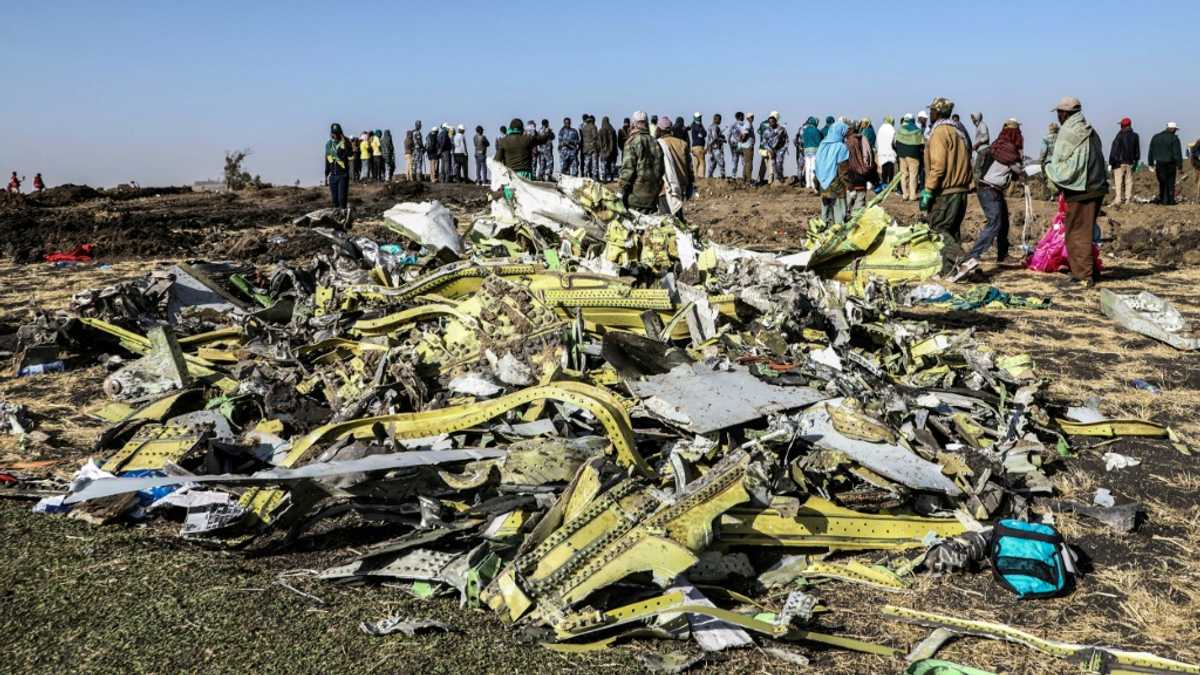
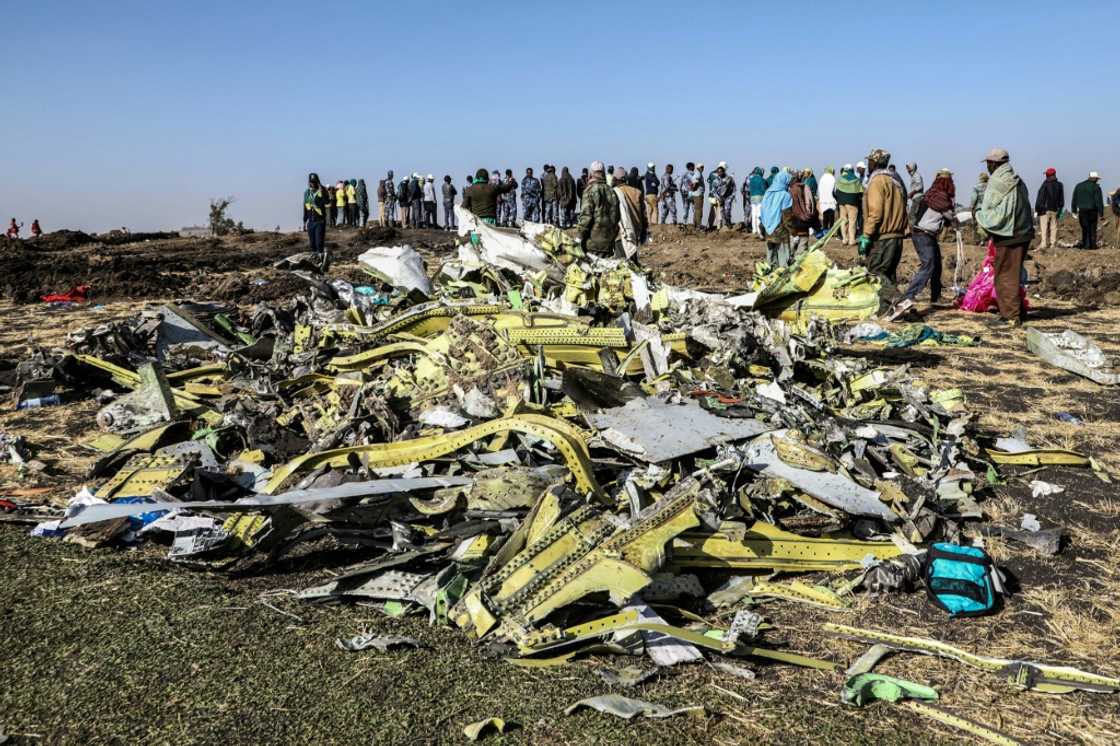
Boeing has expressed deep sorrow over the crashes, including the Ethiopian Airlines flight that killed 157 people and the Lion Air crash in Indonesia that took 189 lives. The company has attributed the issues to the design of the Maneuvering Characteristics Augmentation System (MCAS), a flight handling system that malfunctioned.
Reactions from Victims’ Families
The proposed settlement, outlined in May, faced strong criticism from family members of some victims, who viewed it as a favor to Boeing. Javier de Luis, speaking through attorneys for plaintiffs suing Boeing, stated, “The message sent by this action to companies around the country is, don’t worry about making your products safe for your customers.”
On the other hand, some family members have expressed a desire for closure. A family member quoted by the DoJ said, “the grief resurfaces every time this case is discussed in court or other forums.” This highlights the emotional complexity of the situation, with differing perspectives among those affected.
Ongoing Legal Challenges
Thursday’s announcement marks the latest development in a long-running case that followed the two crashes, which significantly damaged Boeing’s reputation and led to leadership changes within the company.
The legal battle began in January 2021 when the DoJ reached an agreement with Boeing to settle charges that the company had knowingly defrauded the Federal Aviation Administration during the MAX certification process. This initial accord included a three-year probation period. However, in May 2024, the DoJ determined that Boeing had violated the 2021 agreement due to subsequent safety issues.
In response, Boeing agreed in July 2024 to plead guilty to “conspiracy to defraud the United States.” Despite this, federal judge Reed O’Connor rejected a settlement that would codify the guilty plea in December.
Future Implications
This case underscores the ongoing challenges Boeing faces in rebuilding trust and ensuring the safety of its aircraft. The company continues to navigate a complex web of legal, regulatory, and public relations issues. As the aviation industry moves forward, the lessons learned from the 737 MAX tragedies will likely shape future practices and regulations.
The resolution of this case may serve as a precedent for how large corporations handle similar crises, balancing accountability with the need for closure. For now, Boeing remains under scrutiny, with stakeholders watching closely to see how the company addresses these challenges moving forward.