
The Supreme Court’s Ruling and Its Implications on Urban Development
The Supreme Court has made a landmark decision that has significant implications for urban development in Seoul. The court ruled that the city’s decision to abolish an ordinance allowing restrictions on construction outside cultural heritage protection zones is valid. This ruling has provided a much-needed boost to urban development projects near cultural heritage sites, signaling a shift in how these areas are managed.
Under the Cultural Heritage Protection Act, historical and cultural environment preservation zones in Seoul are defined as areas within 100 meters of a cultural heritage site’s outer boundary. However, a subordinate clause in the ordinance allowed for the review of whether construction projects outside this 100-meter zone could impact heritage preservation. This provision became a point of contention between local governments and the Korea Heritage Service.
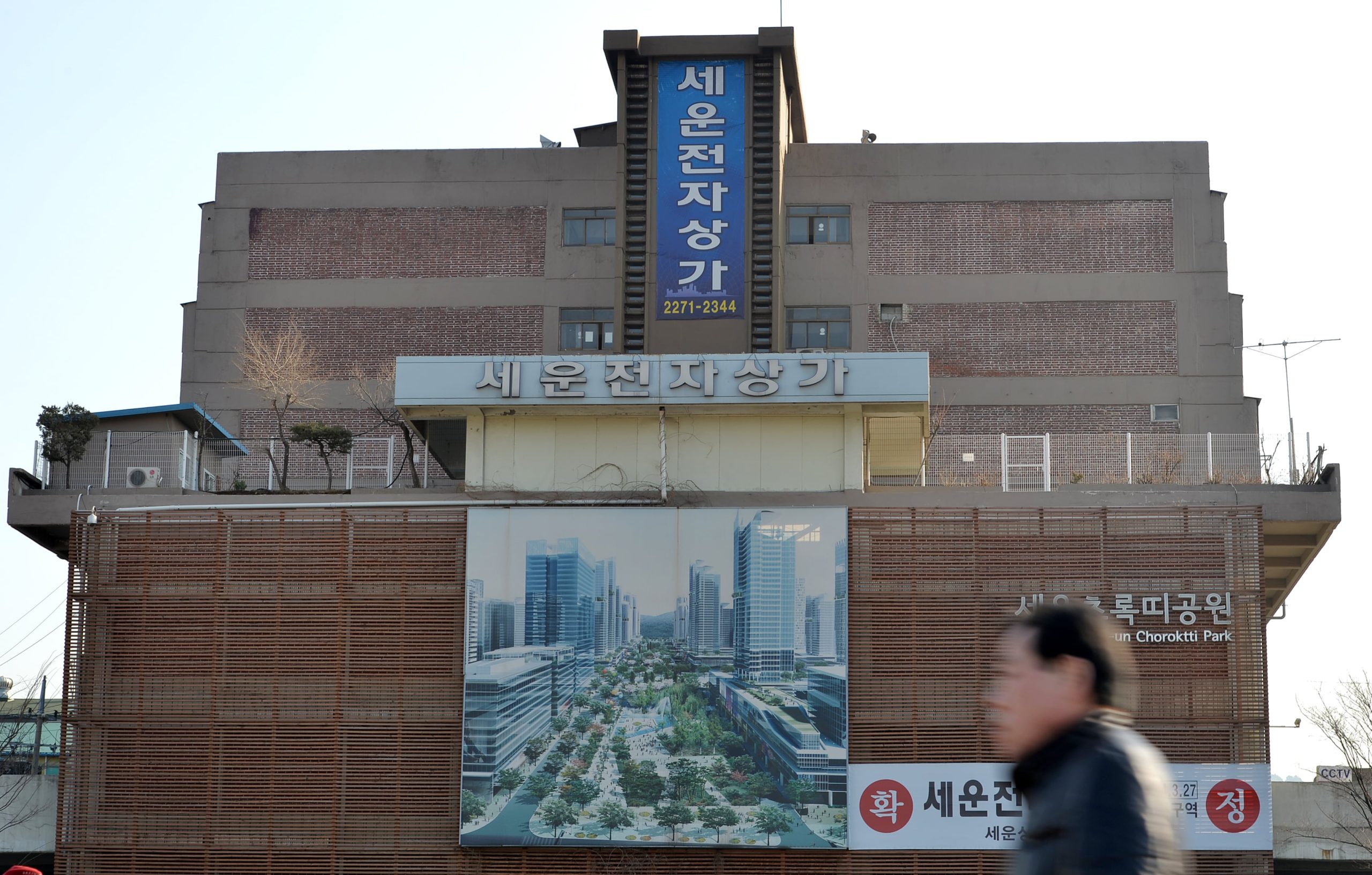
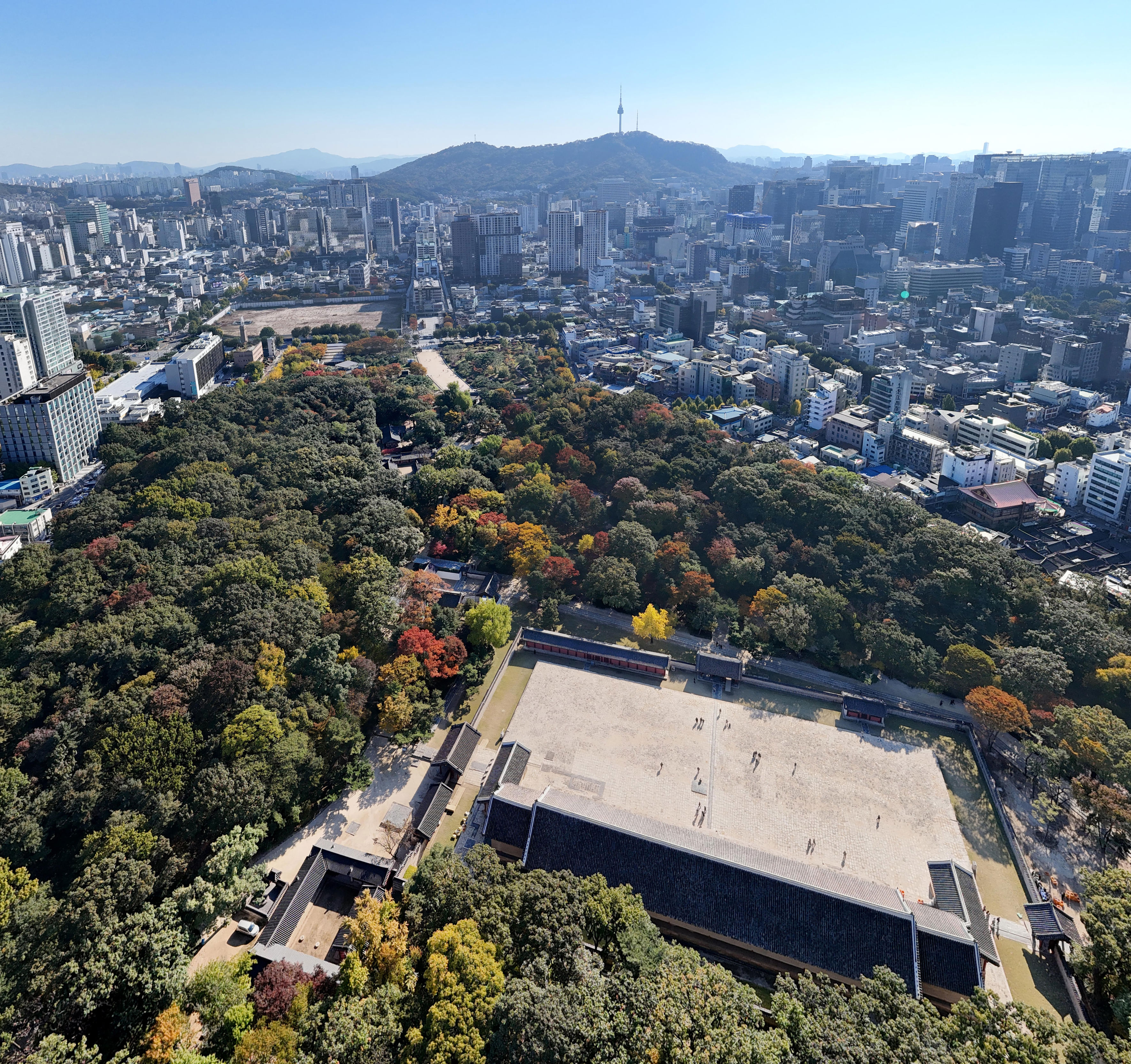
The Korea Heritage Service had used this clause to regulate construction even beyond the designated preservation zones, leading to conflicts with local authorities. For example, the Seoul Sewoon Plaza redevelopment project, located approximately 180 meters from Jongmyo Shrine’s walls, faced restrictions on building heights—set at 55–71 meters since its initiation in 2006. When Seoul abolished the disputed clause in 2023, the Ministry of Culture, Sports and Tourism—the parent agency of the Korea Heritage Service—filed a lawsuit to invalidate the move.
Balancing Heritage Protection and Urban Growth
While the importance of cultural heritage protection is universally acknowledged, it must not exceed reasonable limits. The Korea Heritage Service previously sued to block an apartment complex 500 meters from Gimpo Jangneung, claiming it would obstruct views of the royal tomb, but lost the case. Such actions have drawn criticism, with some arguing that heritage protection has become a tool of “power-hungry authority.”
Conflicts over buried cultural heritage are even more severe. Construction must halt immediately if artifacts or relics are discovered. Although some improvements have been introduced, contractors—burdened with excavation costs—have sometimes concealed such findings. This highlights the need for a balanced approach that respects both heritage and development.
The Future of the Sewoon Plaza Redevelopment
The Sewoon Plaza, a 58-year-old dilapidated structure, is set to benefit from this ruling. The redevelopment plan, now gaining traction, envisions transforming the area into a 142-meter-high international business district with green spaces connecting to Jongmyo Shrine. If executed, it could redefine the cityscape, much like Cheonggyecheon.
Japan provides a relevant example, where Tokyo Station, a cultural heritage site, was preserved while height restrictions around it were lifted to create a global high-tech business hub—a transformation mirrored across Tokyo. Overzealous heritage protection risks becoming an obstacle to a city’s natural growth.
Key Takeaways
- The Supreme Court’s decision allows for greater flexibility in urban development near cultural heritage sites.
- The previous ordinance created conflicts between local governments and heritage protection agencies.
- There is a growing need to balance heritage preservation with urban growth.
- The Sewoon Plaza redevelopment project represents a potential model for future developments.
- Lessons from Japan show that heritage sites can coexist with modern urban infrastructure.
This ruling marks a pivotal moment for Seoul, offering a pathway to harmonize the preservation of cultural heritage with the demands of modern urban development. As cities continue to evolve, finding this balance will be essential for sustainable growth.