
Growing Concerns Over Violence Against Displaced Girls and Women
The United Nations Children’s Fund (UNICEF) has expressed deep concern over the increasing incidents of abuse targeting displaced girls and women in Internally Displaced Persons (IDP) camps located in Benue State. This alarming trend has drawn attention from various humanitarian organizations working to protect vulnerable populations in conflict-affected areas.
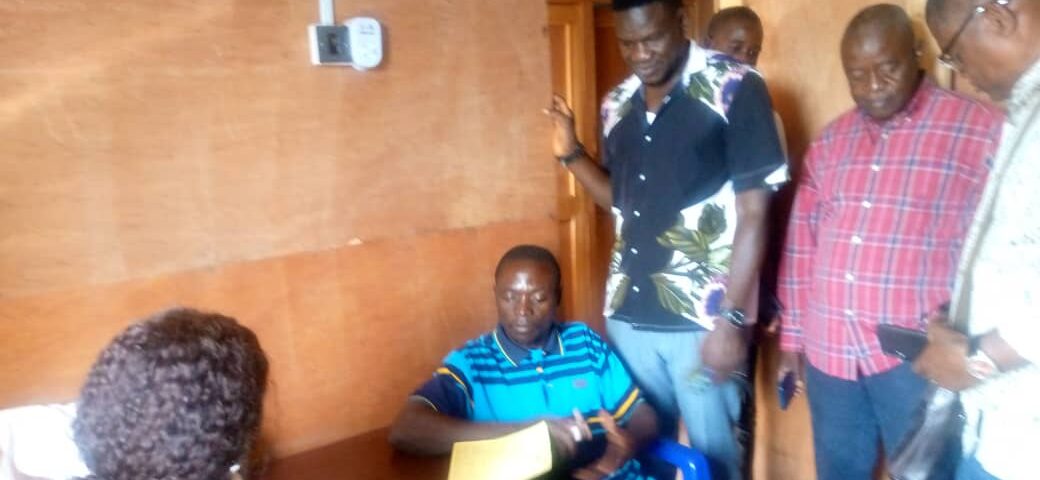
During a recent Focus Group Discussion (FGD), UNICEF, in partnership with the JASPI Health and Gender Initiative, addressed the issue of violence against children and adolescents. The discussion aimed to explore ways to build social assets that could help prevent and respond to violence against children (VAC). The event brought together adolescent boys and girls to share their experiences and insights on how to create safer environments for young people in the region.
Victor Atuchukwu, a Child Protection Specialist from the Enugu Field Office of UNICEF, was represented by Phoebe Nyiekaa, a caseworker from JASPI. Nyiekaa highlighted the severity of the situation, confirming that there have been cases of sexual abuse reported within the IDP camps. She revealed that she is currently handling a rape case involving an IDP girl, underscoring the urgent need for intervention and support.
The FGD was part of a broader initiative to assist IDPs through a range of psychosocial activities. These efforts include establishing safe spaces where displaced individuals can access essential services, receive counseling, and participate in community-based programs. The collaboration between UNICEF and JASPI aims to raise awareness about protection issues and ensure that victims of violence receive the necessary care and resources.
Key Components of the Support Program
The program focuses on several key areas to address the challenges faced by displaced communities:
- Psychosocial Activities: These initiatives are designed to help individuals cope with trauma and rebuild their lives. They include group discussions, art therapy, and other forms of emotional support.
- Safe Spaces: Creating designated areas where displaced individuals, especially children and women, can feel secure and access vital services without fear of harm.
- Awareness Campaigns: Educating the community about the risks of violence and the importance of reporting incidents. These campaigns also emphasize the rights of displaced individuals and the available support systems.
- Essential Services: Providing access to healthcare, legal aid, and other critical resources that can make a significant difference in the lives of those affected by displacement.
Challenges and the Way Forward
Despite these efforts, the situation remains dire. Many IDP camps lack basic infrastructure, making it difficult to provide adequate protection and support. Additionally, cultural stigma surrounding issues like sexual violence often prevents victims from seeking help. Addressing these challenges requires a multi-faceted approach involving government agencies, non-governmental organizations, and local communities.
The collaboration between UNICEF and JASPI represents a crucial step in addressing the complex needs of displaced populations. However, sustained commitment and increased funding are necessary to ensure that these programs can reach more people and make a lasting impact. As the conflict in the region continues, the urgency to protect vulnerable groups becomes even more pressing.
Conclusion
The abuse of displaced girls and women in IDP camps is a serious human rights issue that demands immediate attention. Through partnerships and community engagement, organizations like UNICEF and JASPI are working to create safer environments and provide much-needed support. However, the road ahead is long, and continued efforts are essential to protect the most vulnerable members of society.