
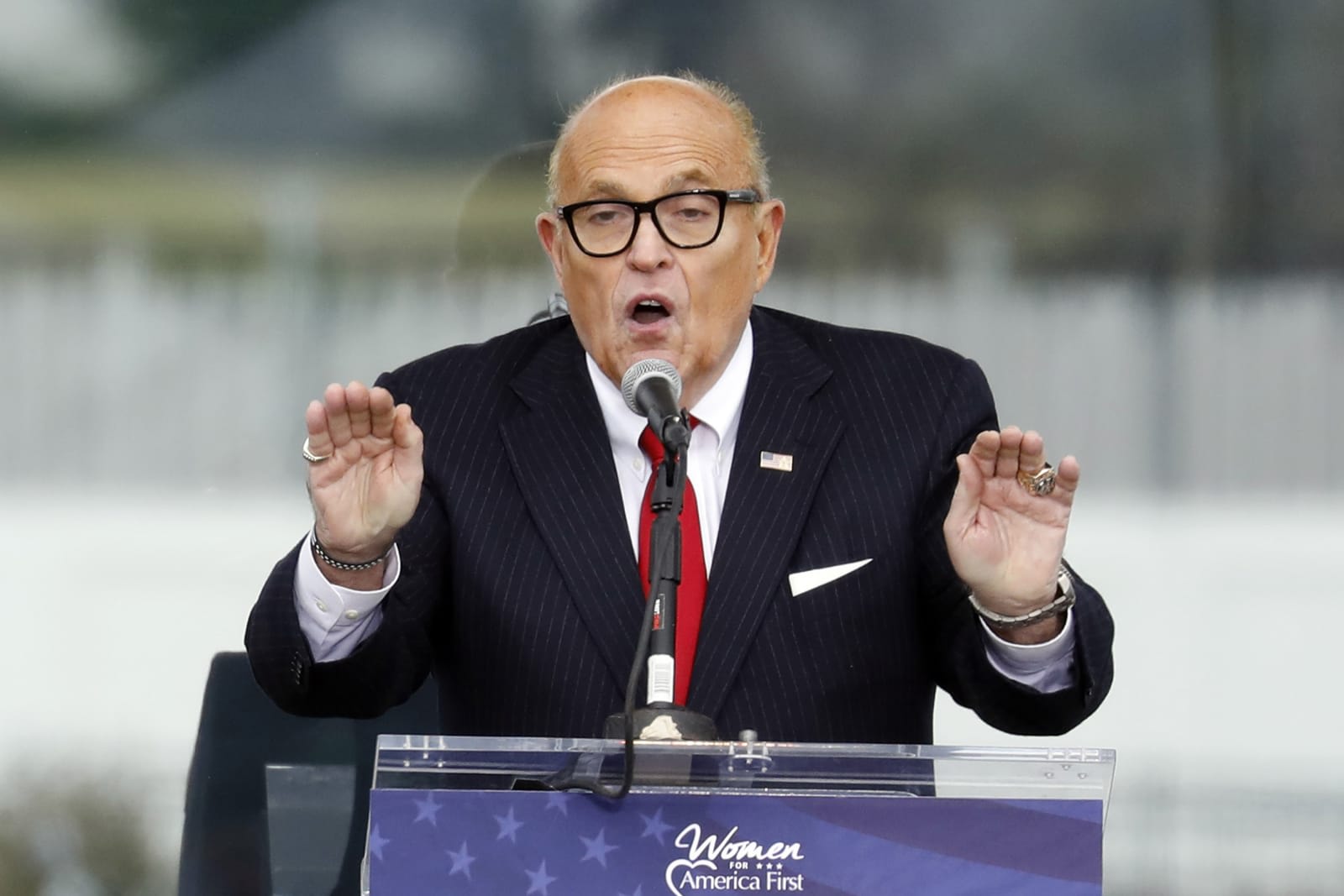
Trump Issues Pardons to Allies in Election Dispute
President Donald Trump has issued pardons to several of his allies and alleged co-conspirators who were involved in efforts to challenge the results of the 2020 presidential election. These pardons, described as “full, complete and unconditional,” were made public through documents released by Justice Department Pardon Attorney Ed Martin on Sunday night.
The list includes notable figures such as Rudy Giuliani, Mark Meadows, John Eastman, Kenneth Chesebro, Boris Epshteyn, Jenna Ellis, and Sidney Powell. While these pardons are largely symbolic, they cover a wide range of activities related to the election dispute. The scope of the pardons extends to “all United States citizens for conduct relating to the advice, creation, organization, execution, submission, support, voting activities, participation in or advocacy for or of any slate or proposed slate of presidential electors … as well for any conduct relating to their efforts to expose voting fraud and vulnerabilities in the 2020 presidential election.”
None of the individuals listed have been charged with federal crimes, which is within Trump’s authority to pardon. However, some of them have faced legal consequences in state courts. For instance, Jenna Ellis pleaded guilty to charges in Georgia and cooperated with prosecutors in other states. Similarly, Kenneth Chesebro also pleaded guilty to a felony charge in Georgia and worked with prosecutors in Arizona and Nevada.
Legal Implications and Symbolism
The pardons appear to be aimed at protecting these individuals from potential future legal actions. Former special counsel Jack Smith identified Giuliani, Eastman, and Powell as co-conspirators in a case related to election subversion. This case was dropped after Trump won re-election in November 2024. By issuing these pardons, Trump is effectively preventing any future administration from pursuing federal cases against them.
Despite Trump’s long-standing assertion that he has the power to pardon himself for federal crimes—an untested proposition—there is no indication that he is ready to test this theory. The pardon documents suggest that they could apply to others meeting the same criteria, but they explicitly exclude Trump himself.
Broader Impact of the Pardons
In addition to these high-profile pardons, Trump also granted clemency to dozens of Republican activists who signed false paperwork claiming to be presidential electors as part of a plot to pressure then-Vice President Mike Pence into overturning Joe Biden’s election victory. These actions reflect a broader strategy to shield those associated with his political movement from legal repercussions.
Trump’s pardoning spree continued during his first days back in the White House. He issued pardons or commutations for over 1,500 people convicted or charged in connection with the U.S. Capitol riot. This included 14 members of the Proud Boys and Oath Keepers, groups linked to the January 6 attack on the Capitol.
Public Reaction and Legal Challenges
The pardons have sparked mixed reactions. Some critics argue that they undermine the rule of law and send a message that political loyalty can override accountability. Others view them as a necessary step to protect individuals who may have acted under the belief that they were defending democratic processes.
Legal challenges have also emerged. A judge recently refused to postpone Jan. 6 trials based on the promise of a Trump pardon, calling it “preposterous.” Meanwhile, some pardoned rioters have faced new legal issues. For example, a Jan. 6 rioter who carried a sign belonging to Nancy Pelosi was sentenced to 17 years in prison for a deadly DUI crash.
These events highlight the complex interplay between executive power, legal accountability, and political influence in the aftermath of one of the most significant moments in American history.