
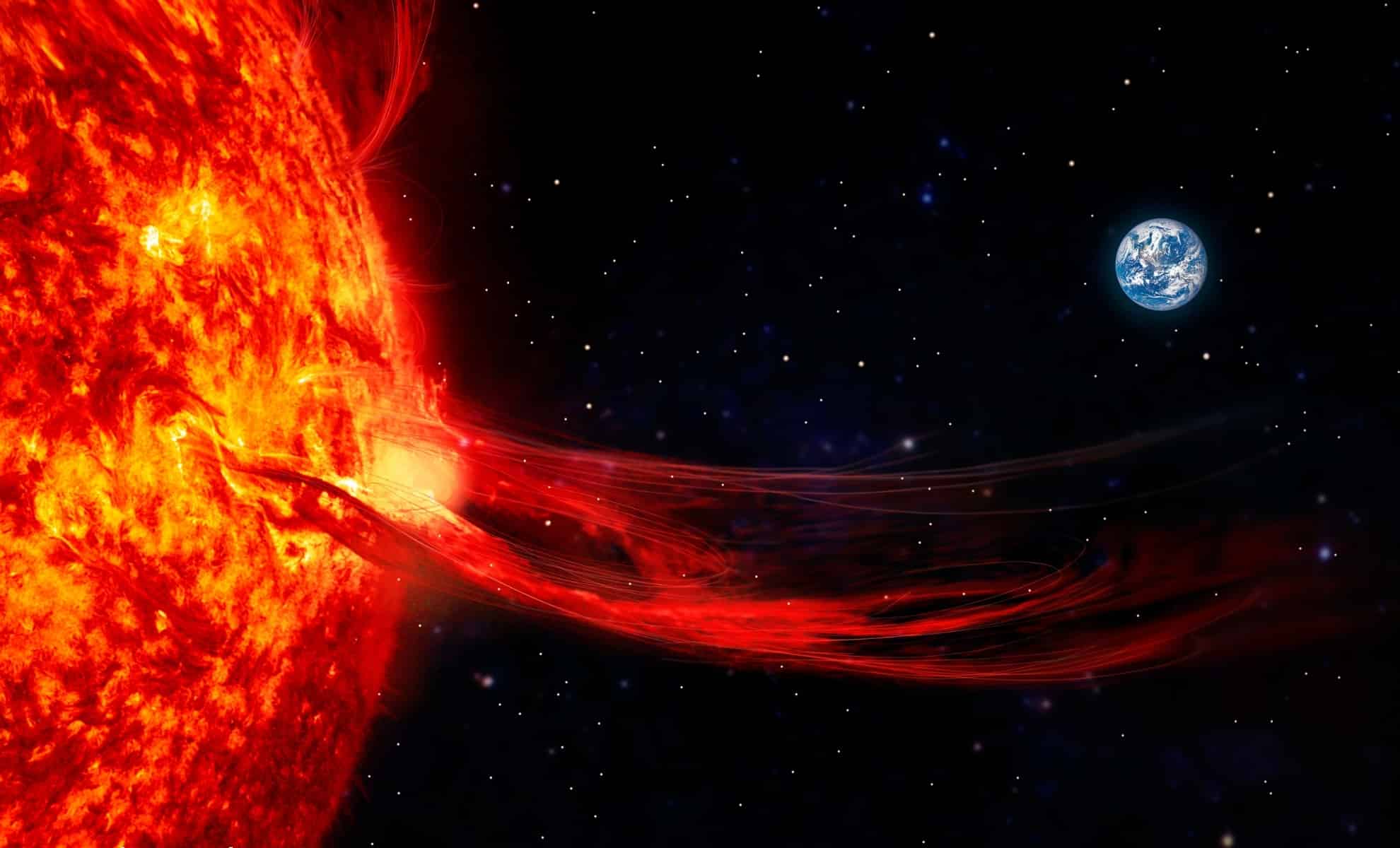
New Study Reveals How Stars Destroy Planets
A groundbreaking study conducted by a team of researchers from University College London and the University of Warwick has uncovered compelling evidence that planets, much like Earth, are frequently consumed by their host stars once they enter the red giant phase. By analyzing nearly 500,000 stars, astronomers observed that planets orbiting too close to their stars are either engulfed or destroyed during this expansion.
The findings, published in theMonthly Notices of the Royal Astronomical Society, provide a sobering glimpse into Earth’s long-term future. While the event is still eons away, the mechanisms responsible for this destruction are already evident throughout the galaxy — and the Sun is no exception. The Sun’s transformation will lead to the end of our atmosphere, oceans, and any possibility of surface life.
Planets Spiral Inward as Stars Expand
Using a specialized computer program, the research team scanned for subtle dips in brightness caused by planets passing in front of post-main sequence stars. Out of over 15,000 signals, they identified 130 giant planets, with 33 being new discoveries. The data revealed a clear pattern: as stars age and expand into red giants, they are far less likely to retain nearby planets.
Dr Edward Bryant, the lead author of the study, explained the gravitational dynamics behind this process. “Just like the Moon pulls on Earth’s oceans to create tides, the planet pulls on the star,” he said. As the star grows, these tidal interactions intensify, slowing the planet and shrinking its orbit. Eventually, the planet spirals inward and either disintegrates or falls into the stellar core.
The study found that only 0.11% of mature red giant stars retained large close-orbiting planets, compared to 0.28% for younger stars still in transition. This drop suggests that many planets have already been destroyed during the early stages of the red giant expansion. According to Dr Bryant, “We expected to see this effect, but we were still surprised by just how efficient these stars seem to be at engulfing their close planets.”
Earth’s Position Offers No Safety
While Earth sits farther from the Sun than most of the doomed exoplanets in the study, scientists are not optimistic about its chances. According to Dr Vincent Van Eylen of University College London, “When this happens, will the solar system planets survive? We are finding that in some cases planets do not.” Although Mercury and Venus are almost certain to be swallowed first, Earth is not guaranteed to escape.
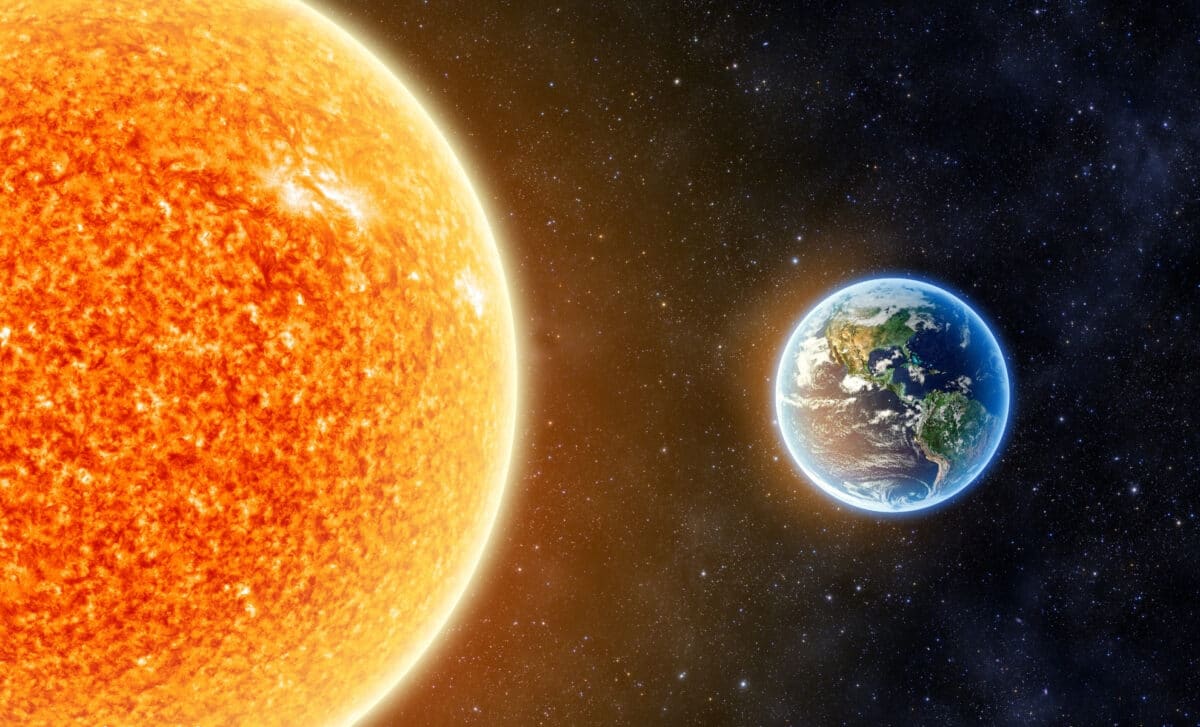
The researchers looked specifically at stars in the first one to two million years of their red giant evolution, meaning there’s much more destruction to come as these stars continue to swell and cool. According to their findings, the ongoing expansion of the Sun will increase radiation levels, surface temperatures, and eventually make Earth uninhabitable, even if the rocky core survives.
Dr Bryant clarified the outlook further, stating, “Life on the surface would not survive. The expansion of the Sun would drastically increase the level of radiation received at the surface of the Earth, dramatically increase the surface temperature and render the planet uninhabitable.”
Oceans Will Evaporate, Atmosphere Will Vanish
The study outlines a bleak chain of events that will follow the Sun’s transformation. As the outer layers of the star expand to up to 200 times its current size, radiation will strip away the atmosphere and boil off Earth’s oceans. Surface conditions will no longer support life — even microbial — and no protective barrier will remain between the planet and space.
According to the same source, the intense heat from the Sun’s bloated phase will be enough to vaporize oceans and expose the surface to lethal levels of energy. While the core of the planet may still exist after the event, it will be lifeless and scorched.
Eventually, the Sun will shed much of its outer mass and settle into a white dwarf, surrounded by a glowing shell of gas and dust. Earth’s role in that final act remains unclear, but as the study shows, stars like ours are extremely effective at destroying the planets that once orbited them.