
A Bold Experiment in Road Safety
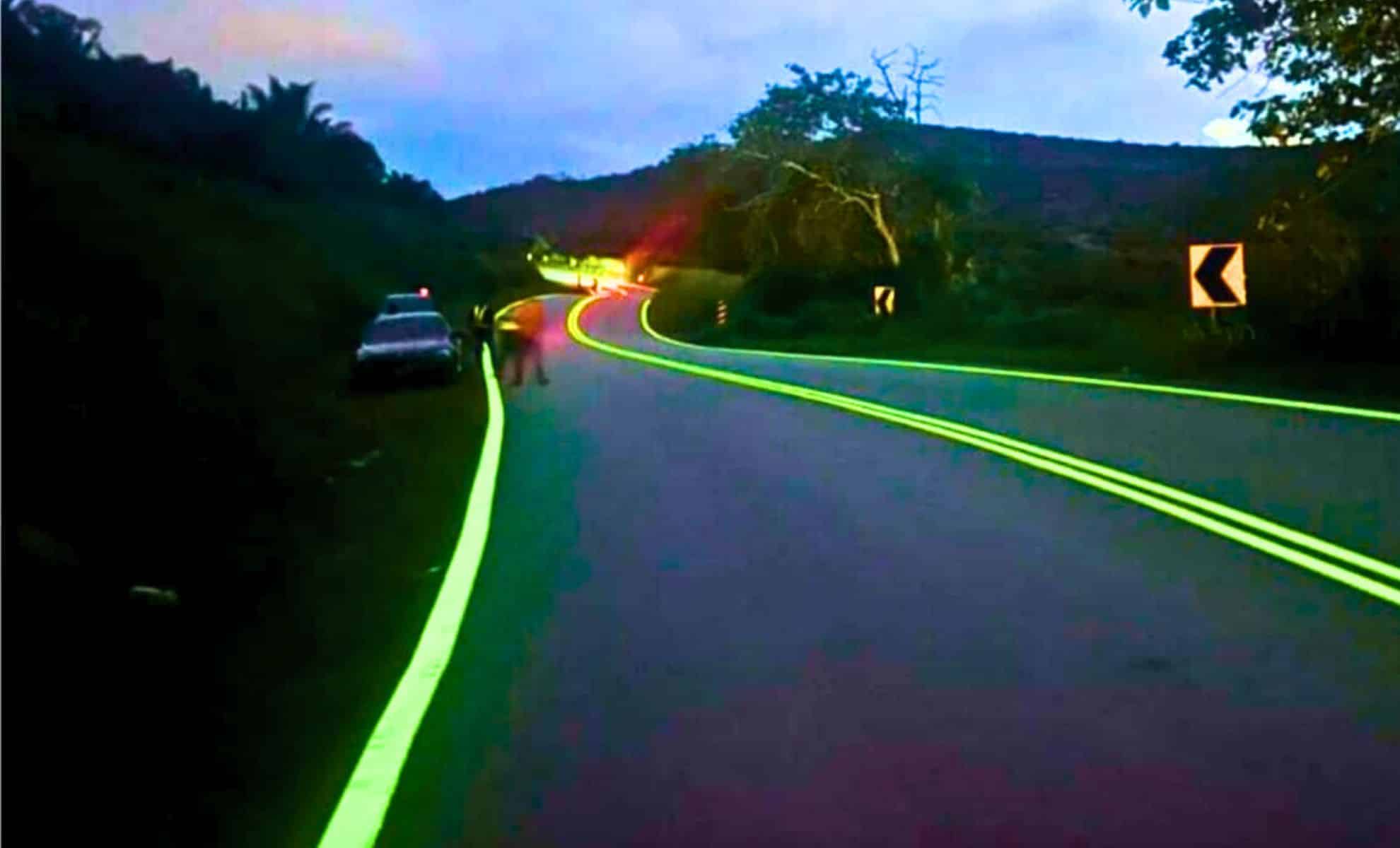
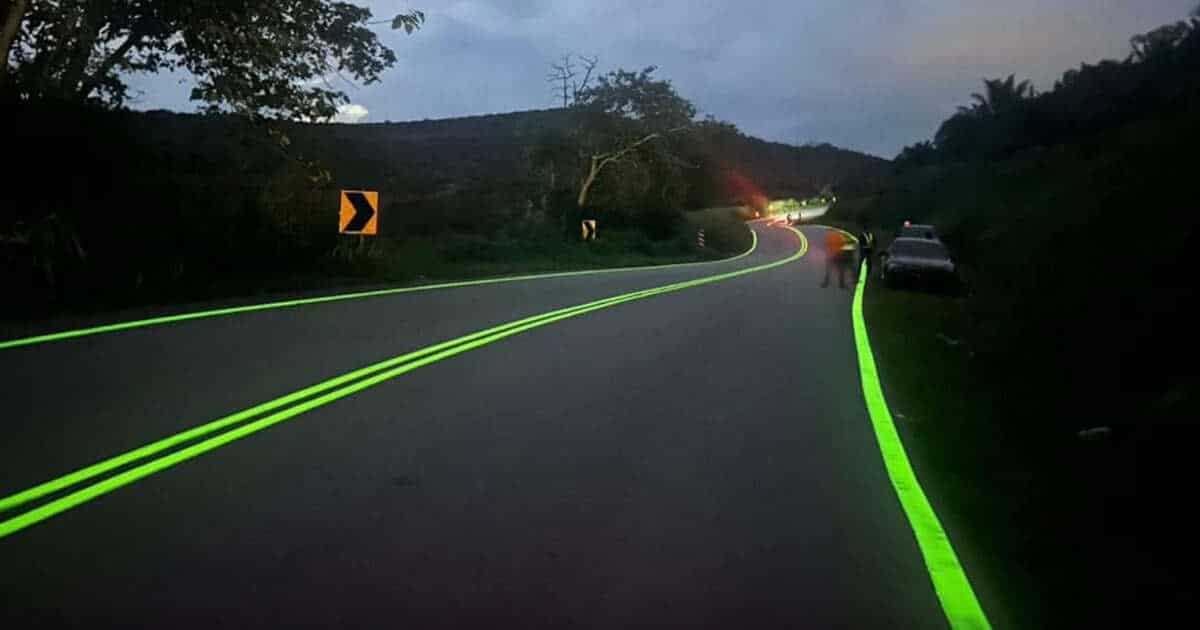
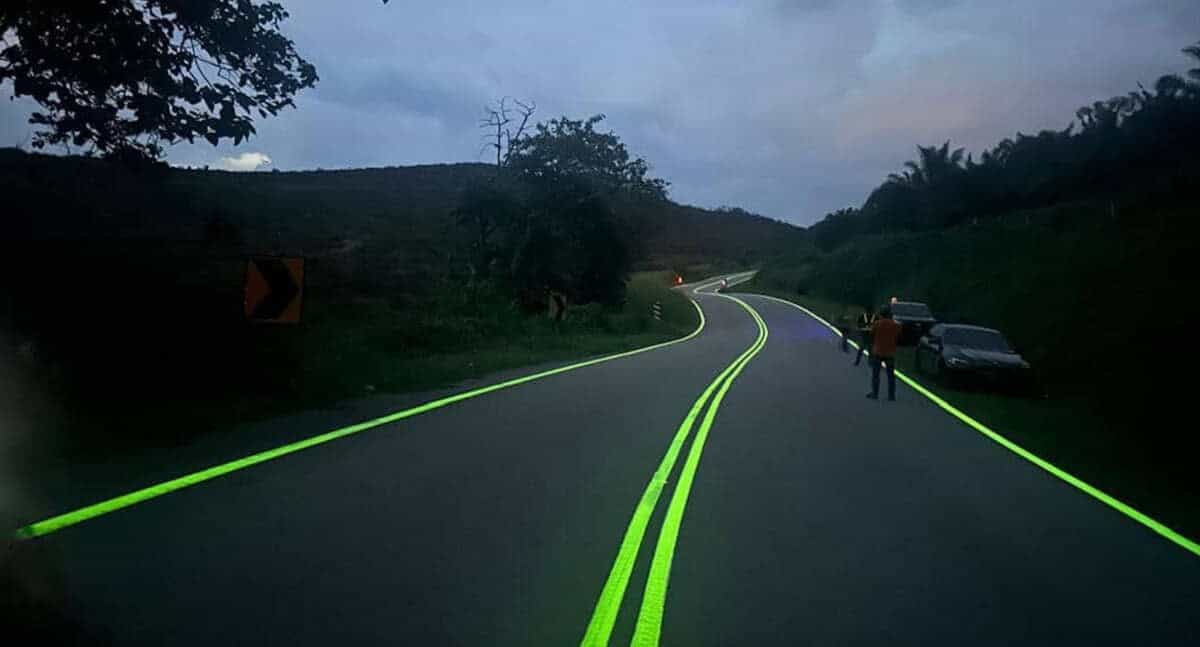
A rural road in Semenyih, Malaysia, became the testing ground for an ambitious safety initiative. Painted not with traditional thermoplastic stripes but with glow-in-the-dark photoluminescent paint, a 245-meter stretch of road aimed to revolutionize nighttime driving visibility in a region long plagued by poor infrastructure and lighting failures.
The concept was straightforward: during the day, the markings would absorb sunlight; at night, they would emit a visible glow—no electricity required. The Public Works Department (JKR) introduced the pilot as a cost-effective alternative to installing streetlights in rural areas with limited electrical infrastructure. Initial public reaction was upbeat. Drivers cited better visibility during heavy rain and fog, especially in areas with no street lighting. On social media, users praised the project’s aesthetics and its potential to reduce traffic fatalities, which claim over 6,000 lives annually in Malaysia.
But within a year, the glow—both literal and figurative—began to fade. By November 2024, Deputy Works Minister Ahmad Maslan confirmed that the government would not move forward with a wider rollout.
Bold Idea, Steep Cost
Glow-in-the-dark road markings are not unique to Malaysia. Similar trials have taken place in the Netherlands and Japan, largely in controlled or aesthetic environments such as bicycle lanes or short highway segments. However, Malaysia’s program was more ambitious: it was meant to evaluate whether photoluminescent technology could replace conventional lighting systems in underserved regions with limited grid access.
The main challenge was economic. According to official government statements reported by Paul Tan’s Automotive News, the specialized paint used in the project cost RM749 per square meter (about USD 158), compared to RM40 per square meter for standard white thermoplastic road markings. That made the luminous alternative nearly 20 times more expensive, not including maintenance or future reapplications.
“We ran tests, but it did not satisfy the experts from the ministry,” Ahmad Maslan told Parliament, as reported by Paul Tan. Initial plans to expand the project to 15 locations across Selangor and 31 roads in Johor were subsequently abandoned. The Selangor state government and Johor’s menteri besar, who had backed the initiative earlier in 2024, did not provide further updates following the federal decision.
Tropical Performance Shortfalls
While cost was the dominant issue, technical performance under Malaysia’s tropical climate also raised red flags. According to reporting by The Daily Galaxy, engineers from the Malaysian Institute of Road Safety Research (MIROS) and other internal reviewers expressed concern about the material’s longevity in high-humidity, high-rainfall conditions.
Studies cited in the International Journal of Pavement Research and Technology have shown that photoluminescent coatings degrade faster in tropical environments, often requiring reapplication within 12 to 18 months—further eroding the project’s long-term cost-effectiveness.
Even Works Minister Alexander Nanta Linggi, who had earlier praised the markings during an October 2023 visit, noted in a Facebook statement cited by The Straits Times that the ministry was still evaluating the technology’s overall durability, adding that implementation costs were “relatively high.”
Safety Innovation Meets Public Skepticism
Public enthusiasm quickly cooled as the limitations became clearer. Social media sentiment, initially celebratory, turned toward frustration. Citizens questioned the government’s spending priorities, citing ongoing issues like potholes, faded signage, and lack of routine maintenance.
As reported by The Straits Times, users urged officials to focus on basics before experimenting with novel technologies. One Facebook commenter stated: “Ask your officers to drive during rain or at night—you’ll see the poor visibility, potholes, and uneven roads. That’s what causes accidents.”
The criticism reflects broader concerns in Malaysia’s infrastructure landscape. While innovation is welcome, many citizens remain skeptical when high-cost pilot programs appear to overshadow more urgent, systemic repair needs.
Global Research Continues, but Rollout Remains Rare
Despite Malaysia’s reversal, research into photoluminescent road technology continues. At the Delft University of Technology (TU Delft) in the Netherlands, scientists are developing next-generation luminescent materials with improved weather resistance and lower production costs. Similarly, Japan’s National Institute for Land and Infrastructure Management (NILIM) is evaluating applications for the technology in urban zones with high ambient light.
Yet large-scale adoption remains rare. Even in countries with the technical capacity and environmental conditions to support such technologies, the economics often don’t justify widespread deployment—especially when weighed against traditional solutions like LED streetlights, which offer longer-term returns and easier maintenance.
Malaysia’s case may now serve as a key reference point for governments evaluating infrastructure innovation: test sites alone aren’t enough. Real-world conditions—climatic, financial, and political—must be factored into any long-term rollout strategy.