
UK Sends Anti-Drone Equipment and Personnel to Belgium
The United Kingdom has announced its decision to send anti-drone equipment and specialized personnel to Belgium, following a series of drone sightings near critical locations such as airports and military bases. This move was confirmed by Chief of the Defence Staff, Richard Knighton, during a television interview on Sunday.
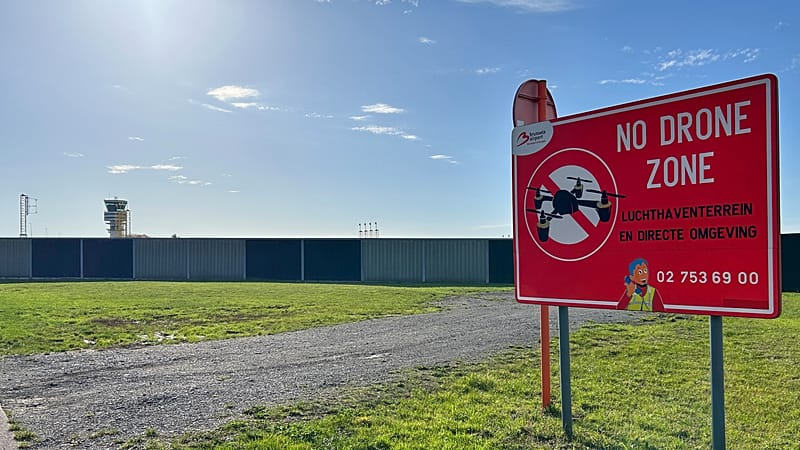
Over the past week, several key airports in Belgium have experienced disruptions due to unauthorized drone activity. The main international airport in Brussels and Liège, one of Europe’s largest cargo airports, were forced to temporarily close their operations. These incidents are part of a broader pattern of unexplained drone flights near a military base that houses US nuclear weapons.
Knighton emphasized that the UK is responding to a formal request from Belgian authorities. “We don’t know and the Belgians don’t know yet the source of those drones, but we will help them by providing our equipment and capabilities, which have already started to be deployed to help Belgium,” he stated during an interview with the BBC.
Specialized Teams to Counter Drone Threats
In addition to equipment, the UK is sending a team of Royal Air Force specialists to Belgium. This group is tasked with addressing unauthorized drone activity and enhancing security measures. Defence Secretary John Healey highlighted the importance of this collaboration, stating:
“As hybrid threats grow, our strength lies in our alliances and our collective resolve to defend, deter and protect our critical infrastructure and airspace.”
This initiative reflects the growing concern over drone-related security risks across Europe. In recent months, numerous airports have had to suspend flights due to similar incidents. Some of these events have been linked to Russian hybrid warfare operations, although no definitive evidence has been presented.
Belgium’s Response and Concerns
Belgium has not publicly identified the source of the recent drone sightings. However, Belgian Defence Minister Theo Francken expressed concerns that some of the incidents could be part of a sophisticated spying operation. “Grateful to our British friends for their swift support and solidarity. Sending a British anti-drone team to Belgium strengthens our collective security and demonstrates our unity in countering hybrid threats,” he wrote on X.
Belgium plays a crucial role in the European political and economic landscape. It is home to NATO and EU headquarters, as well as Europe’s largest financial clearinghouse, which holds tens of billions of euros in frozen Russian assets. These assets have become a point of contention among many EU countries, who wish to use them as collateral for loans to Ukraine. However, Belgium has so far resisted these calls.
Broader Implications for European Security
The deployment of UK anti-drone capabilities to Belgium underscores the increasing need for international cooperation in addressing emerging security challenges. As hybrid threats continue to evolve, the ability to respond swiftly and effectively becomes more critical than ever.
With the presence of NATO and EU institutions in Belgium, the country remains a strategic hub for European defense and diplomacy. The recent incidents highlight the vulnerabilities that exist in even the most secure regions, emphasizing the necessity for robust countermeasures and shared intelligence.
As the situation develops, it will be essential to monitor how these collaborative efforts impact regional stability and the broader fight against hybrid warfare. The UK’s involvement signals a commitment to strengthening alliances and ensuring the protection of critical infrastructure across Europe.