
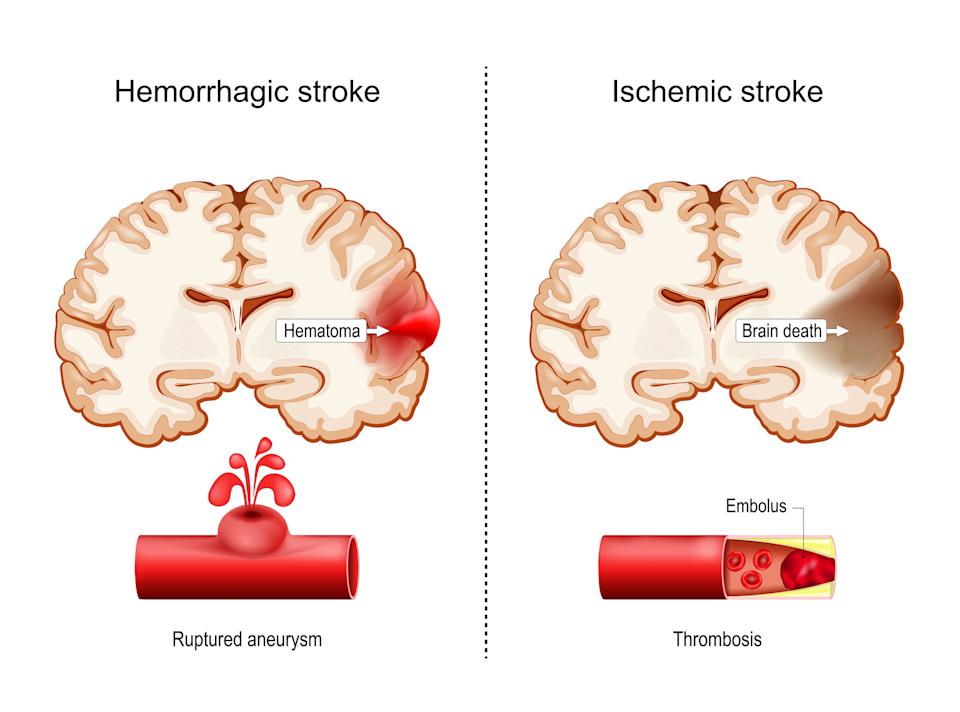
The Global Fight Against Stroke: Prevention, Awareness, and Innovation
Stroke remains one of the most significant public health challenges globally, but experts agree that nearly 80% of strokes are preventable through lifestyle changes. At the International Stroke Conference 2025, held at Bangladesh Medical University (BMU), a major event focused on advancing stroke awareness, prevention, and treatment strategies.
The conference, themed “Transformation of Acute Stroke Care and Development of Next Generation Neurointervention Services in BMU,” brought together medical professionals, researchers, and policymakers to discuss innovative approaches to emergency stroke care and advanced neurointervention technologies. This gathering marked a critical step forward in addressing the growing burden of stroke in Bangladesh and beyond.
Lifestyle Changes Can Save Lives
Experts emphasized that simple yet effective lifestyle modifications can significantly reduce the risk of stroke. These include controlling high blood pressure, quitting smoking, maintaining a healthy diet, and engaging in regular physical activity. By making these changes, individuals can drastically lower their chances of experiencing a stroke.
Moreover, community-level interventions were highlighted as essential in creating a broader impact. Integrating stroke education into schools, workplaces, and urban planning was recommended as a way to build long-term awareness and preparedness.
A New Era in Stroke Care
The conference also showcased the potential for a new era in acute stroke care. With advancements in neurointervention services, there is hope for more effective treatments and better patient outcomes. Experts believe that by adopting next-generation technologies, hospitals can improve diagnosis, response times, and recovery rates.
Despite progress in medical science, public knowledge about stroke remains alarmingly low. Many people in Bangladesh still fail to recognize early symptoms, which leads to delayed treatment and preventable deaths. Recognizing signs such as face drooping, arm weakness, and speech difficulty can be life-saving, both for the individual and their loved ones.
Collaboration and Global Standards
Speakers stressed the importance of multidisciplinary collaboration in stroke management. They called for integrated approaches that involve healthcare providers, educators, and policymakers. Aligning Bangladesh’s stroke management guidelines with international standards was identified as a key step toward improving care quality and consistency.
Data sharing and global training programs were also highlighted as vital components of sustainable progress. Experts noted that without global collaboration, it would be impossible to achieve meaningful improvements in stroke prevention and care.
Leadership and Vision
The conference featured prominent figures from BMU, including Vice-Chancellor Prof. Dr. Md. Shahinul Alam, who addressed the audience as the chief guest. He emphasized that the International Stroke Conference would open a new horizon in stroke management. With support from foreign experts, BMU aims to ensure state-of-the-art stroke treatment facilities in Bangladesh, reflecting a strong commitment to modern neurological care.
Pro-Vice Chancellor (Administration) Prof. Dr. Md. Abul Kalam Azad presided over the session, underscoring the importance of the event in shaping the future of stroke care in the country.
Looking Ahead
As the conference concluded, the message was clear: stroke is a preventable condition, but it requires collective effort, education, and innovation. By focusing on prevention, early recognition, and global collaboration, Bangladesh and other nations can make significant strides in reducing the impact of stroke on individuals and communities.
With continued investment in research, education, and infrastructure, the future of stroke care looks promising. The International Stroke Conference 2025 served as a powerful reminder of what can be achieved when the global medical community comes together to tackle one of the most pressing health issues of our time.