
Key Developments in the Aviation Safety Act Amendment
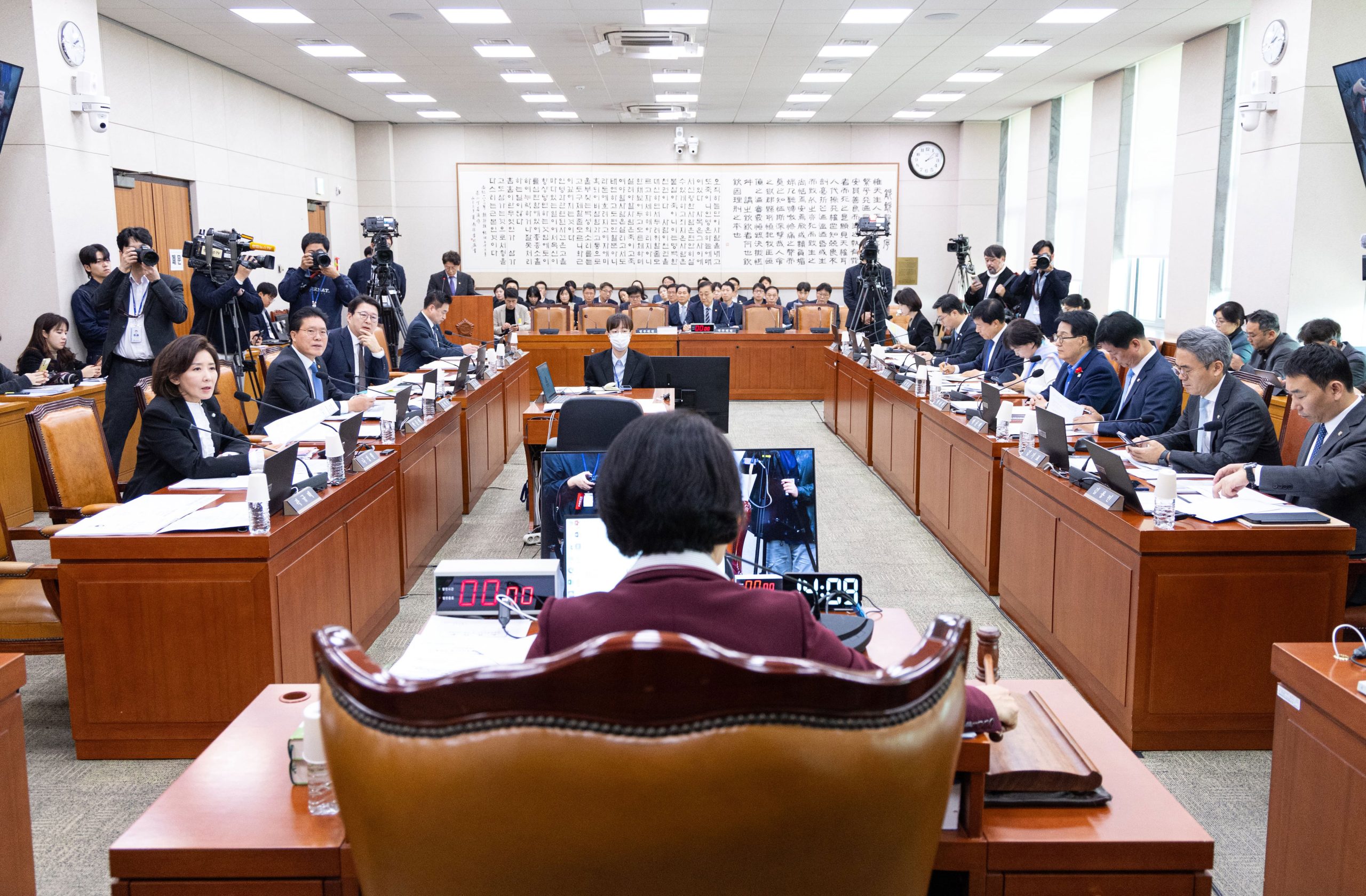
An amendment to the Aviation Safety Act, which aims to prevent the distribution of anti-North Korea leaflets near the inter-Korean border, was approved by the National Assembly’s Legislation and Judiciary Committee on the 6th. The proposal was spearheaded by the Democratic Party of Korea. During a plenary session, the committee voted on the amendment, with the People Power Party lawmakers raising concerns about its constitutionality.
The debate saw People Power Party members argue that the bill contained potential constitutional issues and suggested it should be reviewed further in a subcommittee. However, Committee Chair Choo Mi-ae concluded the discussion and proceeded to a vote. The bill passed with 10 votes in favor and 2 against, out of 12 present.
This law is essentially similar to the previous anti-leaflet ban that was declared unconstitutional during the Moon Jae-in administration. After the Constitutional Court ruled the earlier law as violating freedom of expression, the Democratic Party reintroduced the same policy under a different legal framework.
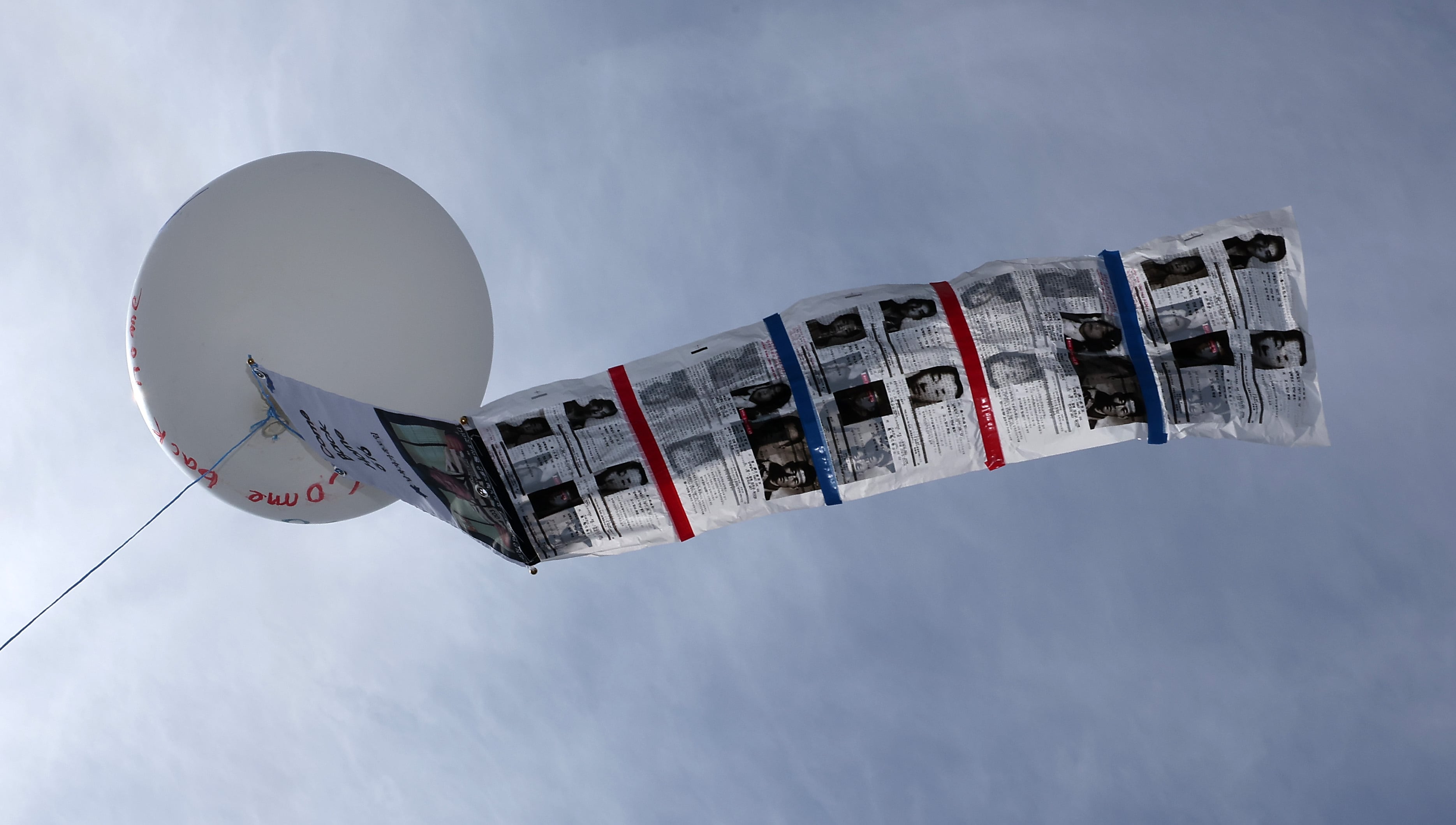
According to the newly passed bill, no unmanned devices—regardless of their weight—can be launched in no-fly zones near the border. Those who violate this rule could face up to one year in prison or a fine of up to 10,000,000 Korean won. Exceptions are made for activities such as weather observation or educational purposes. While the law does not explicitly mention “prohibiting the distribution of anti-North Korea leaflets,” implementing this law would effectively make the practice of sending leaflets via balloons illegal.
Concerns from the Opposition
People Power Party lawmakers emphasized that the bill has potential constitutional issues and urged it to be referred to a subcommittee for further review. Rep. Song Seok-jun stated, “This will effectively ban anti-North Korea leaflets and could contradict the Constitutional Court’s ruling.” Rep. Shin Dong-wook added, “The previous bill was struck down for infringing on freedom of expression, so why include this in the Aviation Safety Act? There is a risk of ideological distortion.”
Rep. Kwak Kyu-taek noted, “The bill lacks a definition of ‘unmanned free balloons,’ and criminalizing this without clarity will inevitably raise constitutional concerns.” Despite these concerns, Minister of Land, Infrastructure and Transport Kim Yun-duk clarified that the previous unconstitutional ruling targeted the content of distributed materials, whereas this amendment focuses on spatial restrictions to ensure aviation safety. He emphasized that the contexts are different.
Criticism and Controversy
Despite the opposition from the People Power Party, Chair Choo Mi-ae ended the debate and moved forward with the vote. Rep. Na Kyung-won criticized the process, stating, “The National Assembly is becoming a dictatorship disguised as democracy, pushing through bills via railroading. Chair Choo is leading this parliamentary tyranny.”
Rep. Shin Dong-wook questioned the purpose of the Legislation and Judiciary Committee, asking, “Isn’t the purpose of the Legislation and Judiciary Committee to review potential issues before bills reach the plenary? Is this even a proper session? Is this the National Assembly of the Republic of Korea?” He continued, “We’re simply asking to refer the bill to a subcommittee for further discussion. We want to legislate while upholding democratic procedural legitimacy.”
Shin also referenced a Facebook post by Choo on the 3rd, where she shared a photo of her bloodshot eyes with the caption, “Shouting and screaming from the left side of the Legislation and Judiciary Committee.” He asked, “I heard your eyes had burst blood vessels. Have you reflected on why that happened? Can peace be achieved in the National Assembly this way?”
In response, Chair Choo stated, “If the session had not been chaotic, would Rep. Shin have made such contextless, nervous outbursts? I deeply regret the defamation and insults toward the committee chair.”