
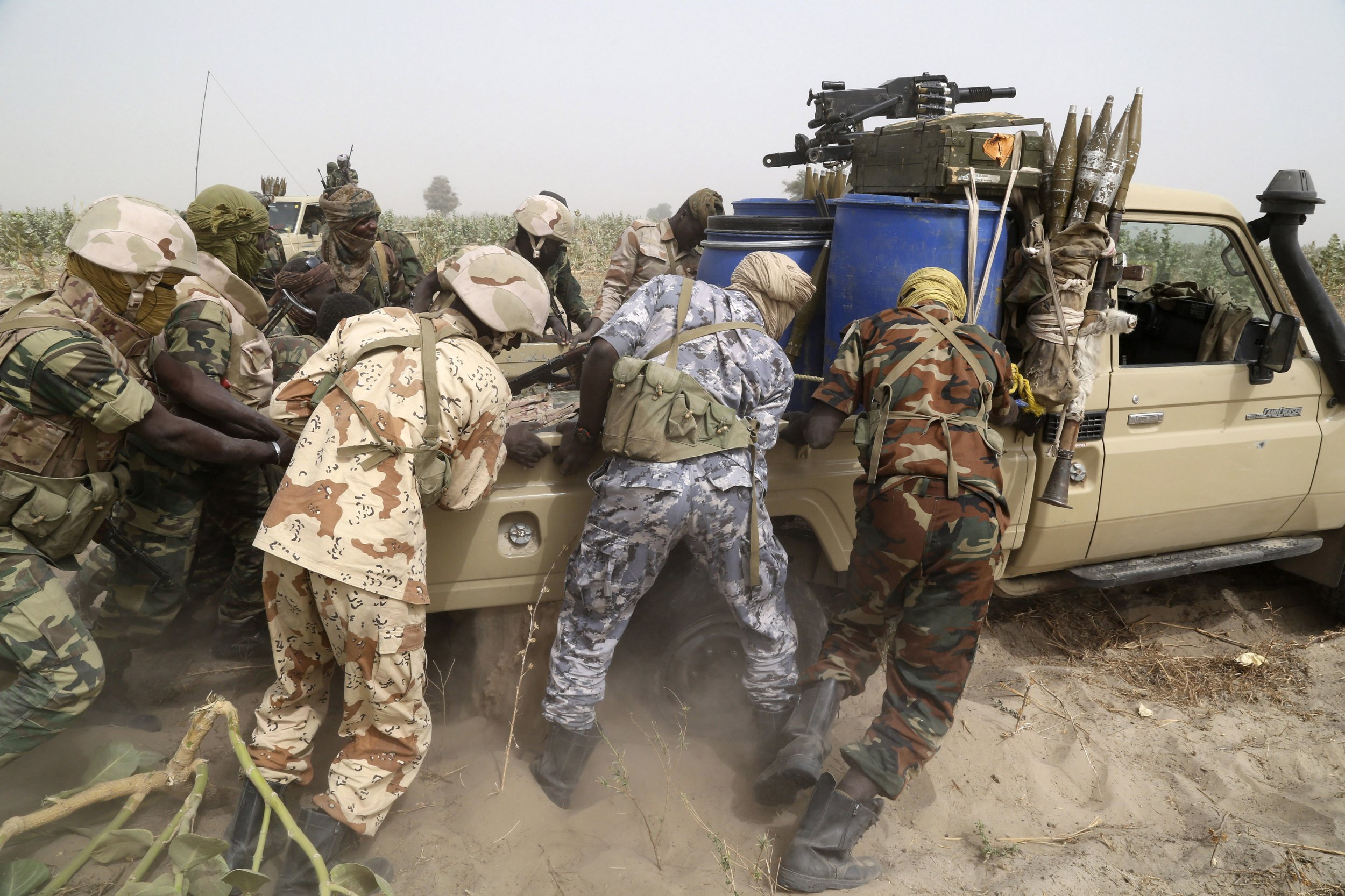
The Dual Fronts of Nigeria’s Counter-Insurgency War
Former spokesman of the Nigerian Army, Brigadier General Sani Usman (retd.), has shared insights into the complex challenges faced during Nigeria’s counter-insurgency operations. He highlighted that one of the most difficult phases was not only the physical combat in the North-East but also the intense propaganda war waged by Boko Haram to erode public confidence in government institutions.
During an event in Abuja marking the 35th anniversary of the Federal Capital Territory chapter of the Nigerian Institute of Public Relations, Usman emphasized the need for the military to reevaluate its communication strategy to counter the insurgents’ influence on public perception. He noted that the military had to fight two wars simultaneously: one on the ground and another in the digital space.
Information Warfare and Its Impact
Usman admitted that troops often suffered heavy casualties due to ambushes and surprise attacks across the North-East. He described the situation as a test of credibility, speed, and strategic communication under pressure. The information war was particularly challenging, as Boko Haram’s threats carried more weight than official statements, leaving Nigerians uncertain about whom to believe.
In 2014, the situation reached its peak when the average Nigerian was unsure whether to trust the insurgents or the government. Usman explained that the group’s ability to follow through on threats made their messages more credible than those from official sources. This created a climate of fear and confusion.
Boko Haram’s Use of Social Media
Boko Haram exploited social media platforms, especially YouTube, to gain followers, instill fear, and control the narrative. At the time, merely mentioning “Boko Haram” or its leader, Abubakar Shekau, openly could lead to being targeted. The group used emerging technologies to shape narratives, build followers, and whip up sentiments among the population.
Proactive Communication Doctrine
To counter this, the military adopted a proactive communication doctrine, prioritizing transparency and narrative ownership. Usman revealed that they developed a three-part doctrine: becoming the first to break their story, ensuring factual accuracy, and being forthright about their actions. However, this approach came with significant costs.
The Importance of Credibility
The experience underscored the importance of credibility in crisis communication. Usman emphasized that maintaining public trust required honesty and openness, even in the face of adversity. His insights highlight the critical role of effective communication in modern warfare.
Celebrating 35 Years of Impact
Stanley Ogadigo, Chairman of the FCT NIPR chapter, celebrated 35 years of “impactful living” and reiterated the institute’s commitment to strengthening professional ethics among public relations practitioners. The event served as a reminder of the ongoing challenges and the need for continuous improvement in the field.
The Legacy of Boko Haram
Boko Haram, led by Abubakar Shekau, gained international notoriety after the 2014 abduction of nearly 300 schoolgirls from Chibok. Shekau reportedly killed himself in 2021 rather than surrender to the Islamic State West Africa Province, which has since become the dominant jihadist faction in the North-East.
The insurgency, now in its 15th year, has resulted in numerous military and civilian deaths, with over two million people displaced across the Lake Chad basin. Rival jihadist factions continue to clash for control of territory and influence, highlighting the persistent challenges in the region.