
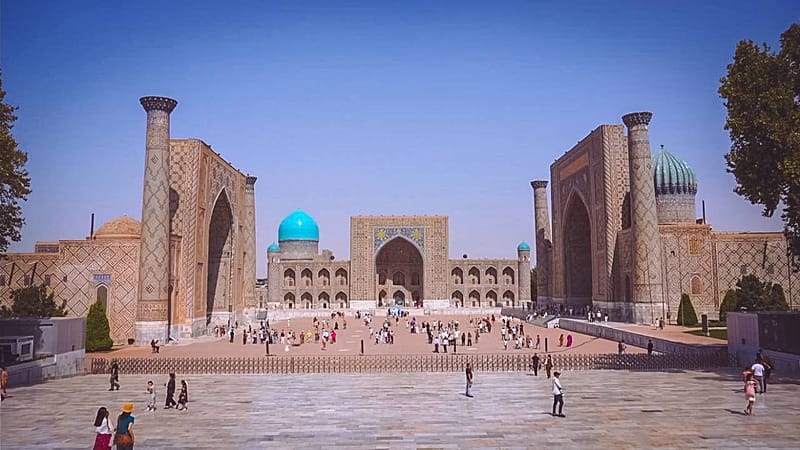
A New Era for Uzbekistan’s Hospitality Industry
Autumn 2025 marks a significant moment for Uzbekistan’s hospitality industry. The country has experienced an impressive surge in foreign tourism, with 8.6 million visitors recorded in just nine months of 2025. This represents a 112% increase compared to the same period in the previous year, according to data from the Tourism Committee. This growth places Uzbekistan among the fastest-growing destinations in Central Asia and highlights the evolving role of the hotel sector as a driver of economic development.
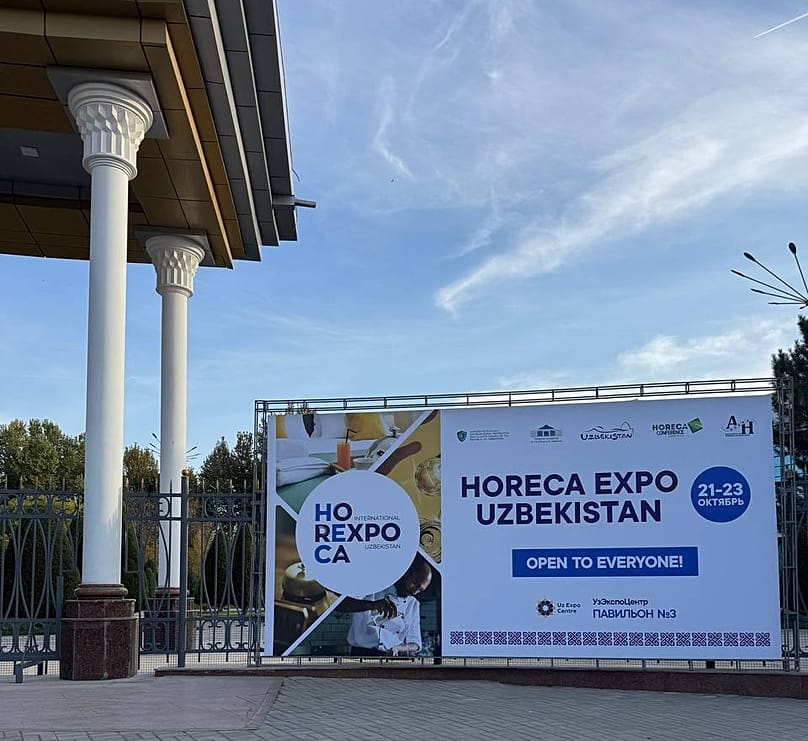
The transformation has been highlighted at HORECA EXPO Uzbekistan 2025, an international exhibition held in Tashkent. The event brought together over 100 companies, 67 speakers, and more than 3,000 professionals from the hotel, restaurant, and catering industries. Its theme, “Investment in Service and Comfort: Business Solutions for HORECA,” reflected the growing focus on quality, training, and smarter infrastructure within the sector.
A Growing Market, A New Mindset
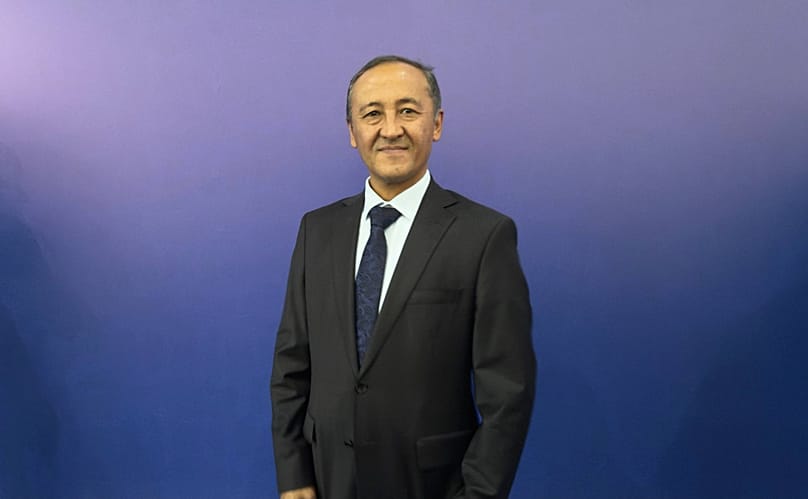
Shukhrat Isakulov, head of the Department for Tourism Development under Uzbekistan’s Ministry of Ecology, emphasized that the rapid rise in visitor numbers is reshaping priorities for the hospitality sector. He noted that while Uzbekistan had just over three million foreign tourists in 2016, the country now expects to welcome 11 million this year.
“This growth requires new hotels, better infrastructure, and qualified staff,” he said. “Events like HORECA EXPO are essential in addressing these needs.”
The government has also introduced targeted subsidies for investors in tourism infrastructure, including hotels, cableways, and recreation facilities. These efforts aim to modernize the hospitality landscape and create new job opportunities.
European Expertise Meets Local Opportunity
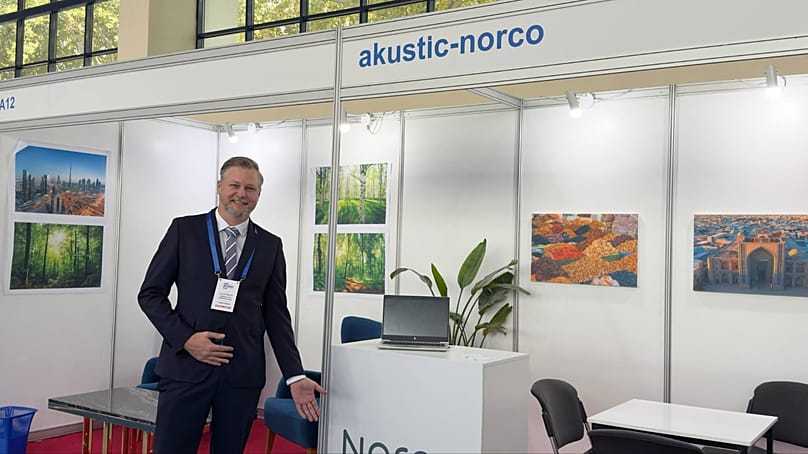
European companies are finding new opportunities in Uzbekistan’s rapidly expanding market. Akustik Norco Interior, a Swedish firm specializing in acoustic and interior solutions, sees the country as a place to bring European design standards to Central Asia.
“It’s a learning session for us,” said Andreas Hultfeldt, sales director. “Acoustics aren’t yet fully developed here, so we can bring our experience and bespoke design to fit the market. If Uzbekistan grows, our solutions can grow with it.”
Hultfeldt added that the company’s integrated engineering and production model allows it to manage projects from concept to completion, making it well-suited for Uzbekistan’s expanding hotel sector.
Technology Reshapes Hotel Operations
Technology is also transforming how hotels reach guests. MyBooking.uz, a domestic online platform developed by Overture Technologies, offers a national alternative to global booking systems. Unlike international services that often charge high commissions and prioritize major hotel chains, MyBooking.uz promotes local properties and works directly with independent hotels, guesthouses, and eco-lodges.
“We promote the country first, and then the hotels,” said Matvey Kuznetsov, head of business development. “Our goal is to make Uzbekistan more visible while keeping more of the value inside the local market.”
The platform uses smart algorithms to tailor recommendations for travelers based on language, budget, and location preferences. Integrated payment tools and automated feedback collection help hotel owners analyze demand and adjust prices in real time. Developers say the system’s machine-learning module will soon enable hotels to forecast occupancy levels and seasonal trends, helping smaller businesses compete without large marketing budgets.
Local Suppliers Find Their Place
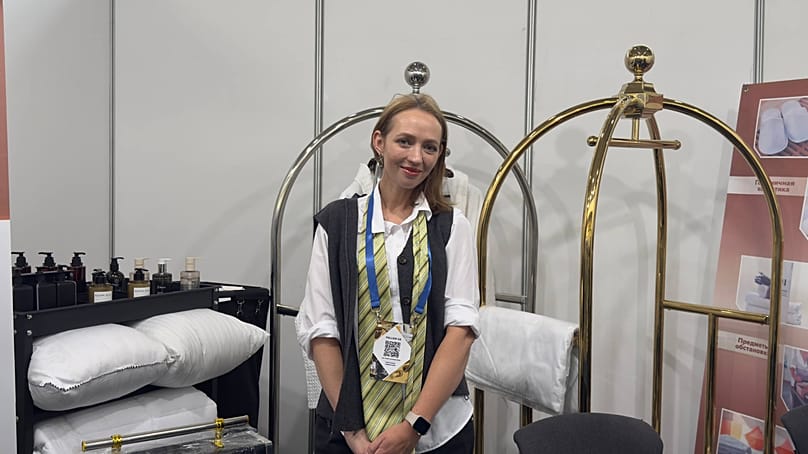
At the same time, domestic companies are playing a bigger role in the hospitality supply chain. Hotel Line, a local manufacturer of hotel textiles, furniture, and amenities, now supplies an increasing share of Uzbekistan’s hospitality market. In its Tashkent workshop, sheets and towels are produced to international standards, while designers work on custom furniture and décor for new hotels and guesthouses.
“Demand has grown sharply over the past two years as international operators begin sourcing more materials locally,” said Maria Safarova, head of marketing at Hotel Line. “When hotels open in Samarkand or Bukhara, they often look for products that meet global expectations but are made here in Uzbekistan.”
In the historic city of Bukhara, Miragha Seyidov, manager of Mercure Bukhara, sees the change firsthand. The property, part of the French Accor chain, is one of the few internationally branded hotels in the region. Behind its restored brick facade, it combines local craftsmanship, carved woodwork, and hand-woven fabrics with international service standards.
“We work closely with Uzbek companies providing textiles and hotel amenities,” says Seyidov. “It’s about building trust and quality together. Guests notice when local materials are used. It gives the place character, and it keeps value within the community.”
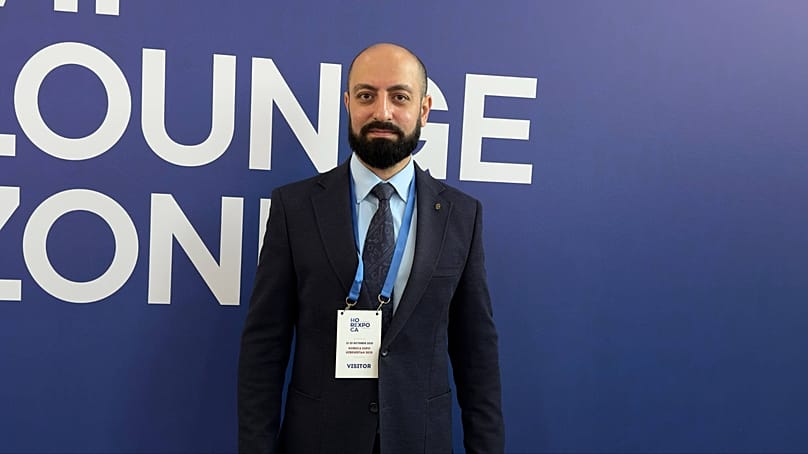
For Seyidov, cooperation with domestic suppliers has become part of the hotel’s philosophy. The approach mirrors the broader shift across Uzbekistan’s hospitality market, where global brands increasingly rely on local partners to meet rising standards and growing demand.