
Controversy Over Real Estate Regulation Criteria
The recent real estate measures introduced by the government have sparked significant debate, particularly regarding the use of outdated data in determining regulated areas. The “October 15 Real Estate Measures” designated several regions in Seoul and Gyeonggi Province as adjustment target areas or speculative overheating zones. However, critics argue that the government relied on August statistics instead of more recent data, raising questions about the accuracy and fairness of the decision-making process.
Areas Excluded Despite Meeting Criteria
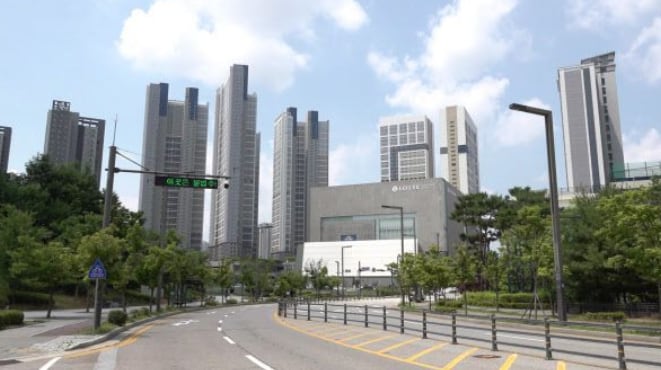
According to the Korea Real Estate Board, certain areas such as Hwaseong and Gwangju in Gyeonggi Province were excluded from the list of regulated areas even though they met the quantitative criteria for regulation. These areas include Dongtan New City, where housing price growth rates between June and August were recorded at 0.44% and 0.4%, respectively. These figures surpass 1.3 times the consumer price growth rate in Gyeonggi Province during the same period, which was 0.25%. This discrepancy has led to concerns about the transparency and consistency of the regulatory framework.
Political Backlash and Allegations of Manipulation
The controversy has extended into political circles, with accusations of statistical manipulation emerging. Several areas, including Dobong, Gangbuk, Jungnang, and Geumcheon in Seoul, as well as Jungwon in Seongnam, Uiwang, Jangan in Suwon, and Paldal in Suwon in Gyeonggi Province, were found not to meet the regulatory criteria based on July–September statistics. The opposition has criticized this as a deliberate attempt to exclude certain regions from regulation, suggesting that the government is favoring specific areas over others.
Despite these allegations, the government maintains that there was no legal basis for using the statistics in deliberations by private committee members. Officials assert that there is “no problem” with the current approach, but this stance has done little to quell the growing concerns among the public and experts alike.
Qualitative vs. Quantitative Criteria
Meeting quantitative criteria, such as housing price growth rates, does not automatically guarantee designation as a regulated area. However, Hwaseong and Gwangju also failed to meet the regulatory criteria based on July–September statistics, placing them in the same situation as the eight contested areas. This inconsistency has raised further questions about the methodology used in the designation process.
Professor Lee Chang-mu of Hanyang University has commented on the situation, stating that concerns over inconsistencies in the system are warranted. He emphasized the need for a more transparent and equitable approach to real estate regulation, ensuring that all areas are evaluated fairly based on the most up-to-date and accurate data.
Ongoing Debate and Future Implications
As the debate continues, it remains to be seen how the government will address these concerns. The issue highlights the importance of using reliable and current data when making critical policy decisions that affect millions of people. With the real estate market being a key driver of economic activity, any perceived bias or inconsistency in regulation could have far-reaching consequences.
In conclusion, the controversy surrounding the October 15 Real Estate Measures underscores the need for a more rigorous and transparent evaluation process. Ensuring that all regions are assessed fairly and equitably is essential to maintaining public trust and confidence in the regulatory framework. As the discussion unfolds, stakeholders across the country will be closely watching for any changes or clarifications from the government.