President William Ruto Defends Controversial Directive Amid Protests
President William Ruto has defended his controversial directive instructing police to shoot vandals and looters in the leg during anti-government protests, despite widespread criticism from political opponents. The directive was issued during a July 9 address in Nairobi’s Kilimani area, aimed at curbing criminal activity that had erupted alongside Gen Z-led demonstrations in 2024 and 2025.
Why Did Ruto Issue the Shoot-to-Leg Directive?
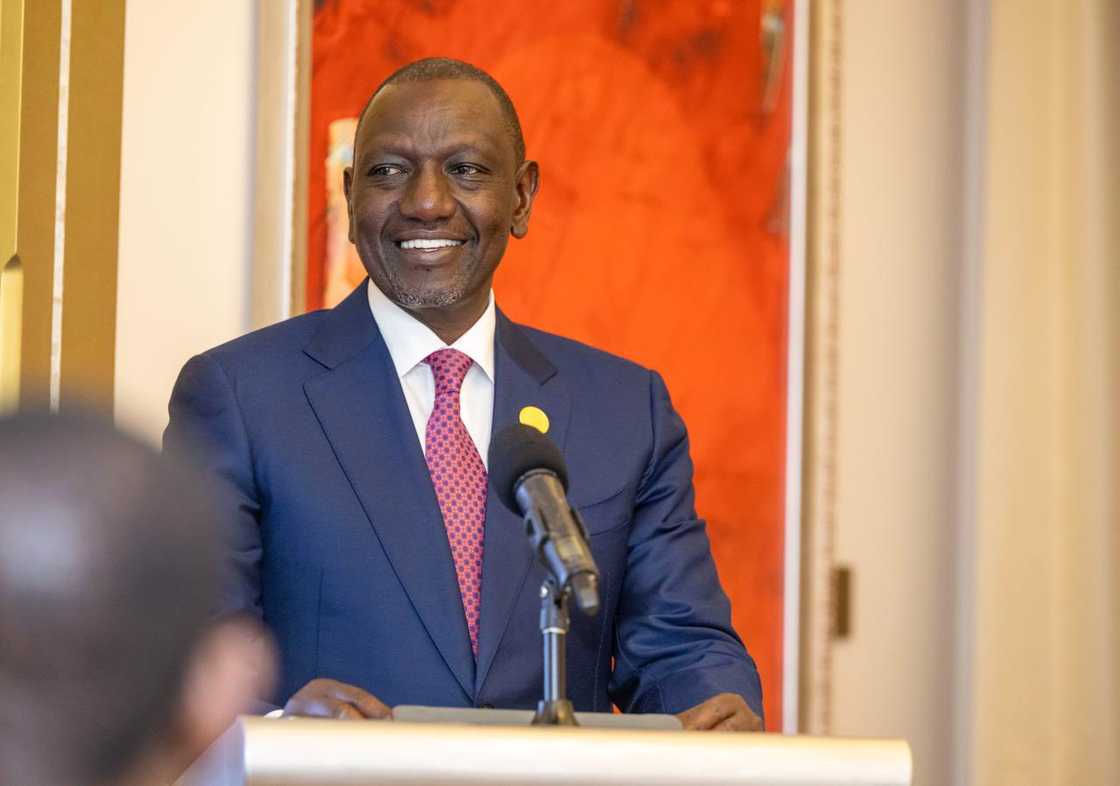
During an interview at Aljazeera on Sunday, November 9, Ruto explained the rationale behind the directive. He stated that his administration had to strike a delicate balance between upholding the right to peaceful protest and preventing lawlessness. While many protesters were genuinely expressing their grievances, others exploited the unrest to commit crimes.
“There are people who were there to express their opinions, but there were also criminal elements—those who burned buildings, looted supermarkets, and destroyed property,” he said. The president emphasized that the public had grown frustrated with the destruction, viewing it not as protest but as outright criminality.
He further stated that the police had to balance between dealing with violent criminals and managing protests. When questioned about the morality and legality of the shoot-in-the-leg directive, Ruto remained unapologetic.
“I do not regret those comments at all because the law allows the police to use force when other people’s lives are in danger. There is nowhere in the law that allows me to order the police. The police understand their responsibility,” he said. Pressed further on whether shooting protesters was excessive, Ruto dismissed the criticism, saying, “That is according to you. I think the police know what they need to do.”
Are There Rogue Police Officers in Kenya?
Despite his firm stance, the president admitted that there are rogue elements within the police force. “When we identify the rogue ones, we deal with them,” he said, while denying claims that Kenyans were being executed during the protests.
The unrest drew international attention and raised concerns over the government’s handling of dissent. Ruto’s remarks came amid escalating demonstrations across the country, with various towns witnessing looting and arson targeting supermarkets and small businesses.
Media Censorship Claims
In addition to defending the police response, Ruto dismissed allegations of media censorship following reports that live coverage of the protests had been restricted. “Media censorship has never happened in Kenya; they are free to lie and to churn out their falsehood,” he said.
Public Reaction and International Concerns
The situation has sparked significant public debate, with many citizens expressing concern over the use of lethal force against protesters. Critics argue that the directive could lead to further violence and human rights violations. On the other hand, supporters of the president believe that such measures are necessary to restore order and protect public property.
International observers have also voiced concerns about the government’s approach to handling dissent. Human rights organizations have called for an independent investigation into the use of force by security agencies during the protests.
Ongoing Challenges
As the protests continue, the government faces increasing pressure to find a balanced approach that addresses both the legitimate grievances of the demonstrators and the need to maintain public safety. The situation remains volatile, with tensions rising in several parts of the country.
The coming weeks will be critical in determining how the government handles the ongoing unrest and whether it can effectively address the underlying issues driving the protests.