
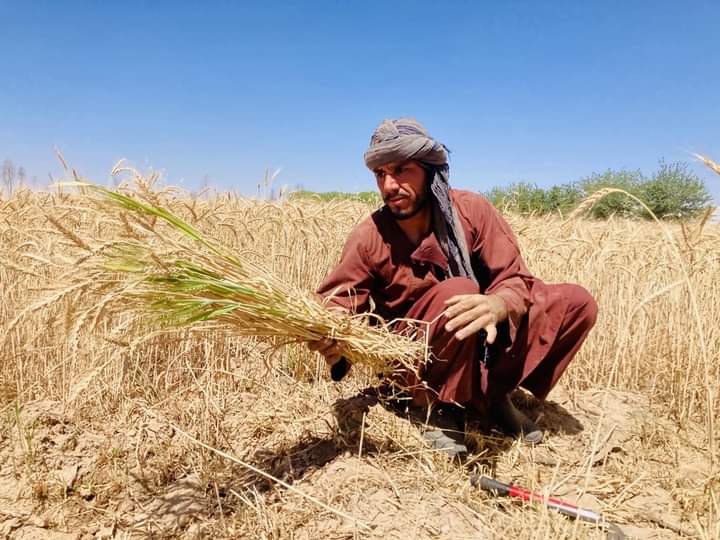
The Crisis of Pest Infestation in Kano’s Sugarcane Farms
Sugarcane plantations in Kano State have faced a severe pest infestation that has left farmers in despair. This crisis has affected at least three local government areas, leading to the destruction of vast areas of sugarcane fields and threatening a significant drop in production this year.
Farmers who shared their experiences with Weekend Trust described the situation as devastating. They mentioned that they only discovered the damage when it was already too late, during the harvest season. According to their estimates, the losses caused by the worm attack amount to N2 billion. Many farmers warn that if no urgent measures are taken, they may not return to farming next season.
Malam Kawu Hayi, a sugarcane farmer from Kura, said:
“We didn’t notice anything until we started harvesting. And by that time it was too late. The worms had eaten deep into almost every sugarcane farm in Dan Hassan, Garin Kaya, Tofa and Gamadan. We never expected the damage to be this bad.”
The impact has been particularly harsh in Gamadan town, which is one of Kano’s largest sugarcane farming and trading hubs. Farmers there rely heavily on sugarcane for their livelihoods, and many fear that the outbreak could push them into debt and joblessness.
Our correspondent, who visited some of the affected communities, reported that sugarcane stalks were blackened and eaten from within. It was observed that farmers looked helplessly as some of them counted their losses, while others appealed for urgent government intervention.
Another farmer, Malam Isah Shu’aibu, said:
“This area is the biggest producer of sugarcane in northern Nigeria. We were preparing for a good harvest when the disaster struck. The worms have destroyed nearly everything. We invested everything we had, in terms of money, time and energy, but there is nothing to show for it.”
He warned that unless the outbreak is controlled, many farmers might abandon sugarcane cultivation next year for other crops, while others could quit farming entirely.
Market Impact and Rising Prices
Weekend Trust reports that the impact of the infestation is already spreading to markets, with traders reporting scarcity and a sharp rise in prices. Danbaba Yunusa Dan Hassan, a major sugarcane dealer, warned that the market could soon run dry if nothing is done.
“From all indications, if this continues, we may soon run out of sugarcane. The situation is beyond what farmers can handle. This type of worm attack is new to us and only a coordinated response can save the situation,” he noted.
Government and Expert Response
In an effort to find a solution to the problem, farmers alerted agricultural authorities, which led to the deployment of extension workers to assess the situation and offer guidance.
Salisu Sa’ad, an agricultural extension officer in Kura, confirmed that his team had visited several affected farms to evaluate the situation.
“The situation is alarming and requires immediate action. We have submitted our findings and recommendations to the government and other stakeholders to help contain the spread and minimize losses,” he said.
Experts emphasize the need for scientific intervention. Dr Wajiha Abdullahi Mu’az, a researcher at the International Institute of Tropical Agriculture (IITA), described the outbreak as a serious threat that demands an immediate response and preventive training for farmers.
She advised:
“Farmers should seek expert’s guidance and apply recommended control methods carefully. They also need proper training on the safe use of chemicals to prevent misuse or over-application.”
Ongoing Concerns and Future Outlook
The strange worms continue to spread across Kano’s sugarcane belt, leaving devastated farms behind, as well as growing fear among farmers. They believe that one of the state’s most profitable agricultural commodities could face its toughest year.