
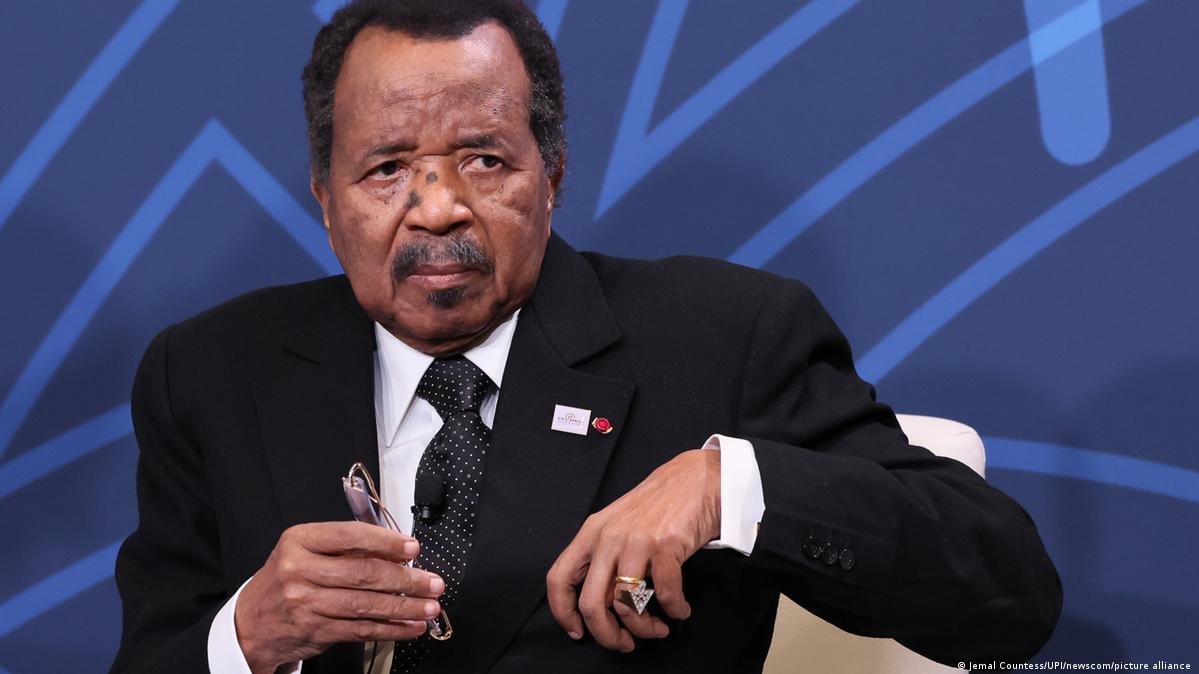
Paul Biya Sworn In for Seventh Term as Cameroon’s President
Paul Biya, the long-serving leader of Cameroon, has been sworn in for another seven-year term as president following a disputed election held last month. The 92-year-old, who has been in power since 1982, took the oath of office on Thursday during a ceremony at the National Assembly in Yaoundé.
Biya, who is currently the world’s oldest sitting president, secured 54% of the votes according to official results from the electoral commission. His main opponent, Issa Tchiroma Bakary, received 35% of the votes and has rejected the outcome, claiming that he was the rightful winner and accusing authorities of widespread fraud. However, the government has dismissed these allegations.
Despite his long tenure in office, Biya only attended one campaign rally before the October election, which has led to speculation about his health and ability to govern effectively. This has raised concerns among some citizens and observers.
In his short inauguration speech, Biya promised to “safeguard national unity, strengthen security, and continue reforms for economic growth,” while encouraging citizens to support his administration. His re-election highlights the continued dominance of his ruling party, the Cameroon People’s Democratic Movement (CPDM), and the weak opposition in a country facing significant challenges.
Cameroon is currently dealing with economic difficulties and separatist conflicts in its Anglophone regions. These issues have created a complex political landscape, with many questioning the effectiveness of Biya’s leadership over the past four decades.
Public Reactions to Biya’s Re-Election
The re-election of Paul Biya has sparked mixed reactions within Cameroon. Supporters view him as a symbol of stability and continuity, especially in a region where political turmoil is not uncommon. They argue that his leadership has provided a degree of consistency and order, despite the challenges faced by the nation.
On the other hand, critics accuse Biya of authoritarianism and claim that his rule has been marked by corruption and underdevelopment. Many believe that his long tenure has hindered the development of a more vibrant and competitive political environment in the country.
This divide reflects broader tensions in Cameroonian society, where the desire for change and reform is often at odds with the need for stability and governance.
Challenges Ahead for Biya’s Administration
As Biya begins his new term, he faces several critical challenges. The country continues to grapple with economic hardship, which has been exacerbated by the ongoing conflict in the Anglophone regions. Addressing these issues will require a multifaceted approach that includes both economic reforms and efforts to restore peace and unity.
Additionally, the legitimacy of Biya’s re-election remains a point of contention. While the government maintains that the election was fair and transparent, the opposition and some international observers have expressed doubts. This could lead to increased scrutiny and pressure on the administration to demonstrate accountability and responsiveness to the needs of the people.
Conclusion
Paul Biya’s swearing-in marks another chapter in his long and controversial political career. As he steps into his seventh term, the expectations placed on his administration are high. Whether he can deliver on his promises and address the pressing issues facing Cameroon remains to be seen. For now, the nation watches closely, hoping for a future that balances stability with progress and justice.