
Rising Outcry Over Discriminatory Remarks by Moroccan MP
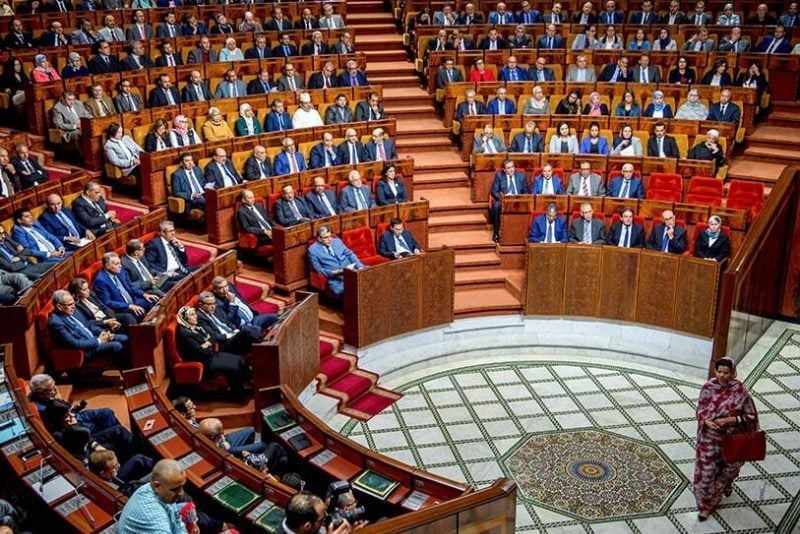
Several Moroccan rights organizations have strongly condemned a member of parliament, Aicha El Karji, following her controversial remarks during an October 28 plenary session in the House of Representatives. The comments, which were widely perceived as discriminatory toward people with disabilities, sparked significant backlash from civil society and disability advocacy groups.
El Karji referred to individuals with disabilities using terms such as “the limping, the distorted, and those without legs.” These descriptions were met with widespread condemnation, with critics describing them as offensive and deeply disrespectful. Disability rights networks and civil society organizations emphasized that such language not only insults human dignity but also reinforces harmful stereotypes that contribute to the marginalization of people with disabilities.
In a joint statement, the associations highlighted that El Karji’s remarks violated key legal frameworks in Morocco. They pointed to the 2011 Constitution, which explicitly prohibits discrimination, as well as Framework Law 97.13, which safeguards the rights of persons with disabilities. Additionally, they referenced Morocco’s commitments under the UN Convention on the Rights of Persons with Disabilities, stating that the MP’s comments contradicted the country’s international obligations to promote inclusion and equality.
The organizations called for immediate action, urging El Karji to issue a public apology. They argued that acknowledging the harm caused by her remarks was essential to addressing the moral damage inflicted on the disability community. Furthermore, they demanded that Parliament take its political and ethical responsibilities seriously by condemning such behavior and ensuring that similar incidents do not occur within the legislative body.
Calls for Government Action
The statement also urged the Moroccan government to accelerate the implementation of disability rights policies. This includes expanding accessibility in public spaces, improving support systems for people with disabilities, and promoting inclusive language in all public institutions. Advocacy groups stressed that these measures are critical to fostering a more equitable and respectful society.
Disability rights activists emphasized that the remarks made by El Karji reflect a broader issue of systemic neglect and prejudice against people with disabilities in Morocco. They called for increased awareness, education, and legal enforcement to ensure that the rights of all citizens are upheld.
The Need for Inclusive Language and Policies
The controversy has reignited discussions about the importance of using respectful and inclusive language when referring to people with disabilities. Advocates argue that language plays a crucial role in shaping societal attitudes and that derogatory terms can perpetuate stigma and discrimination.
In response to the backlash, some members of the public and media outlets have called for a review of parliamentary conduct, emphasizing the need for accountability and sensitivity when addressing vulnerable communities. The incident has also prompted calls for training and education for public officials to ensure that they understand the impact of their words and actions.
Conclusion
The condemnation of Aicha El Karji’s remarks highlights the growing demand for respect, inclusion, and accountability in Moroccan society. As disability rights continue to gain attention, it is clear that meaningful progress requires not only legal frameworks but also a cultural shift toward empathy and understanding.